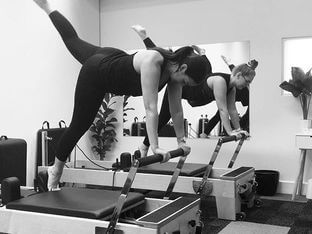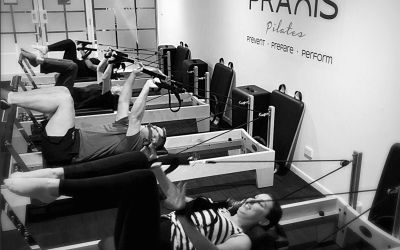
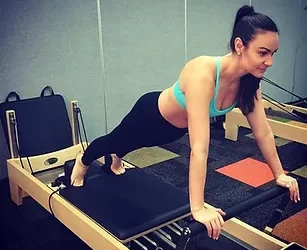
In Part 3 of our Pilates series, we explore how reformer-based Pilates can transition from rehabilitation into performance. Whether you’re recovering from injury or looking to build long-term strength and control, this stage focuses on progressing load, refining movement quality, and integrating whole-body patterns. Backed by clinical experience and research, we show how Pilates can be a powerful bridge from pain to performance.
Praxis What You Preach Blogs
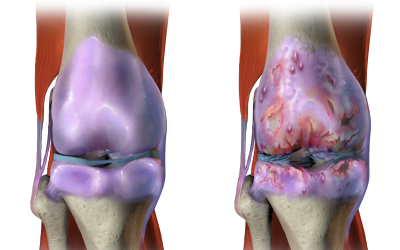
Navigating Knee Osteoarthritis: A Physio-Centric Pathway to Strength and Mobility Before Surgery
Knee osteoarthritis (OA) is one of the most common causes of chronic pain and mobility restriction in Australians over 45. Whether you're a weekend warrior, an active grandparent, or someone just trying to keep up with the daily demands of life, OA can slowly erode...
Blood Flow Restriction – more than just a gimmick?
Summary: Restriction of blood flow purportedly creates an internal environment of greater stress, thus greater adaptation Importantly, the greater adaptation can occur with less absolute load to damaged or painful tissues Started in healthy population to build muscles...
Peri-Menopause and injury – your guide to the most common issues
Menopause alters hormones and results in physical changes These changes typically result in increased injury risk or activity reduction The most common injuries affect structures such as the plantar fascia, tendons of the hip and shoulder Appropriate exercise and...
Pilates: Mat vs Reformer Pilates (Part 2 of 3)
In part one, we unearthed that pilates has a role to play in reducing the severity of chronic lower back pain. In part two, we tackle a common question from our patients and delve further into the research to see if there is a difference between mat and reformer...
Pilates: Reforming our back pain rehabilitation (Part 1 of 3)
With our 30 day pilates challenge starting today, we thought we would take a look at why we love pilates so much for our patients, and what some of the benefits are. Part 1 looks at how pilates affect those with chronic lower back pain. Part 2 looks at the difference...