
Praxis What You Preach Blogs
Lateral Hip Pain: Why It’s Almost Never ‘Bursitis’ (And What Actually Fixes It)
Lateral hip pain is usually a gluteal tendon problem, not bursitis, and the stretches people reach for often make it worse. Here’s what the evidence says actually works.
Whiplash: Why ‘Just a Bit Sore’ Can Turn Into Months of Trouble
Whiplash produces real, measurable changes in how the neck moves and functions, detectable within weeks of a crash. Here’s what predicts a slow recovery, and what the evidence says actually helps.
Frozen Shoulder: Why It’s Mostly a ‘Wait It Out’ Condition (And When Physio Actually Helps)
Frozen shoulder is fundamentally self-limiting. Cortisone eases pain but doesn’t change the timeline, and surgery hasn’t been shown to beat non-surgical care. Here’s what actually helps, and when.
Is “Knees Over Toes” Actually Safe? Why Context Matters More Than the Rule
The knees over toes squatting rule isn’t as simple as it sounds. Here’s what the evidence actually says about when it’s safe and when it isn’t.
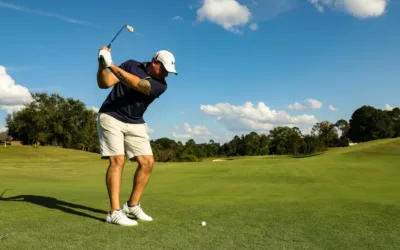
Why Golfer’s Elbow Takes Just as Long to Get Better (And What Actually Works)
Golfer’s elbow often takes months to settle, not weeks. Here’s why recovery is slow and what actually helps it heal faster.
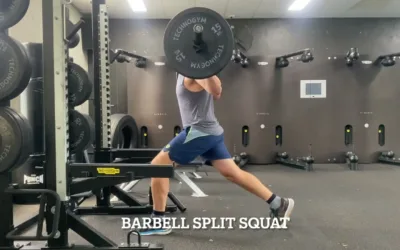
Why Your Glutes Aren’t Lazy, They’re Underdeveloped
Your glutes probably aren’t lazy or asleep, they’re likely just undertrained. Here’s the evidence behind glute weakness and what actually builds strength back.
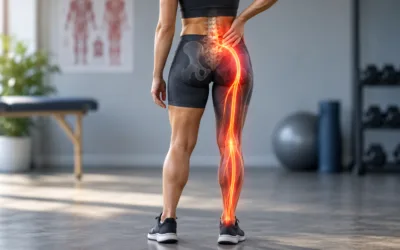
Sciatica: Why That Shooting Leg Pain Isn’t the Life Sentence It Feels Like
Sciatica can feel like a life sentence, but for most people it isn’t. Here’s what’s actually happening and how physiotherapy speeds up recovery.
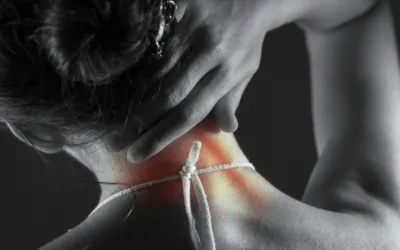
Cervicogenic Headache: When Your Neck Is Actually the Problem
Not all headaches start in the head. Cervicogenic headaches originate in the neck, and identifying them changes how they should be treated.
Femoroacetabular Impingement (FAI): The Groin Pain Behind Your Squat and Sitting Trouble
Groin pain that flares with deep squats or long sitting could be femoroacetabular impingement. Here’s what FAI is, why it develops, and how physiotherapy helps.
Nordic Curls and the Copenhagen Plank: Two Exercises That Could Save Your Season
Hamstring and groin strains sideline more athletes than almost any other injury. The Nordic curl and Copenhagen plank are the two exercises with the evidence to prevent them.
“Old Man Calf”: Why Calf Tears Become So Common After 30
Calf tears aren’t just bad luck after 40, they’re a predictable consequence of how tendons and muscle capacity change with age. Here’s what actually helps.
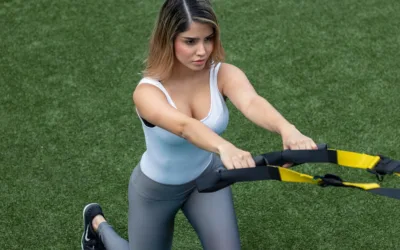
The Single-Leg Squat Test: The Hip Control Test That Predicts Your Next Knee Injury
How single-leg squat and step-down testing reveals hip control deficits that pain-free running misses, and why they matter for the knee.

The Single-Leg Hop Test: Why Most Ankle Sprains Are Cleared Before They’re Actually Ready
How single-leg hop testing measures true ankle readiness for sport, and why pain-free walking isn’t the same as being ready to cut and land.
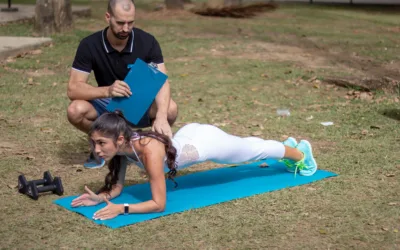
The Biering-Sørensen Test: The Trunk Endurance Number Your Back Rehab Is Probably Skipping
How the Biering-Sørensen test measures true trunk extensor endurance, and why pain-free rest isn’t the same as being ready for full training.
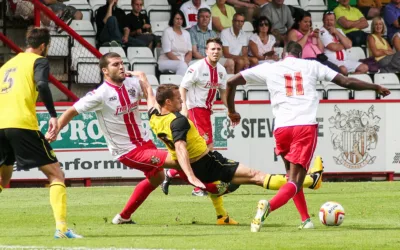
The Adductor Squeeze Test: The Groin Strength Number That Predicts Reinjury
How the adductor squeeze test measures true groin readiness for sport, and why pain-free jogging isn’t the same as being ready to sprint or cut.
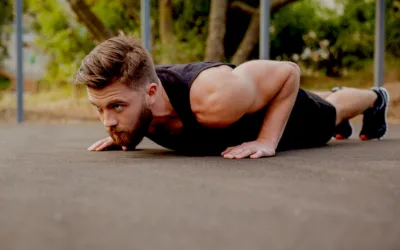
The CKCUEST: The Shoulder Stability Test That Predicts Whether You’re Really Ready for Contact
How the Closed Kinetic Chain Upper Extremity Stability Test measures true shoulder readiness for contact and overhead sport.

The Hop Test Battery: Why 90% Symmetry Is the Number That Actually Matters After ACL
How the four-test hop battery and Limb Symmetry Index predict reinjury risk after ACL reconstruction, and why 90% is the number that matters.
The Standing Heel-Rise Test: The Calf Strength Number Too Many Athletes Skip
How the standing heel-rise test measures true calf readiness, and why pain-free walking isn’t the same as being ready to sprint.

The Nordic Curl Test: Why Hamstring Strength Predicts Whether You’ll Tear It Again
How the Nordic hamstring curl test predicts hamstring injury risk, and why objective testing beats a calendar-based return to sport.
Return to Sport Testing: Why the Best Athletes Don’t Guess, They Test
Why objective return-to-sport testing, not the calendar, is what actually reduces reinjury, protects the rest of the kinetic chain, and limits long-term joint damage.
Why Tennis Elbow Takes So Long to Get Better (And What Actually Works)
Struggling with tennis elbow that won’t settle? Discover why recovery takes time and whether cortisone or PRP is the right option for long-term results.
Rotator Cuff Repair: A Physiotherapy Guide on Recovery and Rehabilitation
Rotator cuff repair is a common surgery for persistent shoulder pain and dysfunction, but the real progress happens during rehabilitation. This blog outlines what to expect from physiotherapy in each recovery phase—from sling use and pain control to strength and return to sport—backed by the latest research and expert clinical practice at Praxis Physiotherapy.
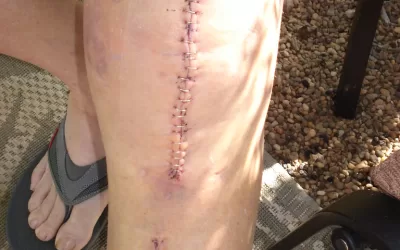
Your Guide to Total Knee Replacement Surgery
Discover how starting physiotherapy up to six weeks before your knee replacement surgery can significantly improve your recovery. At Praxis Physiotherapy, our expert-led programs integrate reformer Pilates, blood flow restriction training, and access to on-site gyms to support your rehabilitation every step of the way. Whether you’re referred by Dr. Kelly Macgroarty or another orthopaedic specialist, we’re here to help you move with confidence.
ACL Reconstruction Rehab – Week-by-Week Recovery Guide with Praxis Physio
ACL reconstruction is just the beginning. At Praxis Physiotherapy in Brisbane, our expert-led, week-by-week rehab plan takes you from prehab to full return-to-sport. Learn how our proven approach, trusted by elite Brisbane teams and surgeons, helps you recover stronger and smarter.

From Pitch to Pressing: Leading the Way in Shoulder Pain Recovery
Struggling with shoulder pain that’s holding you back? Learn how athletes can overcome rotator cuff injuries without surgery through expert physiotherapy, targeted rehab, and a sport-specific return plan.
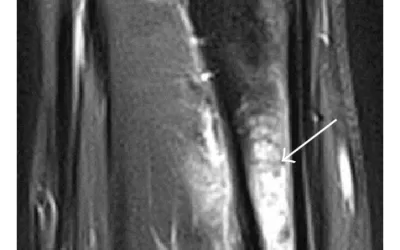
Strong Bones, Strong Runner: Understanding and Treating Stress Fractures
Stress fractures are one of the most common — and frustrating — injuries in runners. This blog explores how these injuries develop, who’s most at risk, and what the latest research says about effective rehabilitation and prevention. Learn how strength and conditioning, smart training loads, and early diagnosis can help you return to running stronger than ever.
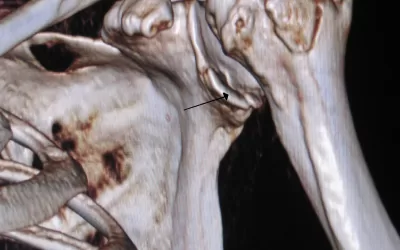
Shoulder Stabilisation and Bankart Repair: Your Path Back to Sport
Recovering from a shoulder stabilisation surgery, particularly a Bankart repair, can feel like navigating a winding trail. At Praxis Physiotherapy, we understand that athletes don’t just want to heal – they want to return stronger, more confident, and ready for...
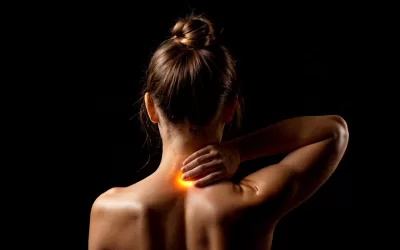
Pain in the Neck: Why Your Neck Hurts and What To Do About It
Neck pain is one of the most common – and frustrating – conditions we treat at Praxis Physiotherapy. Whether it’s from poor posture, long desk hours, or simply no clear cause at all, persistent neck pain can have a big impact on your daily life. In this blog, we break down what causes non-specific neck pain, why targeted strengthening and manual therapy are backed by research, and how physiotherapy can help you move, feel, and function better.
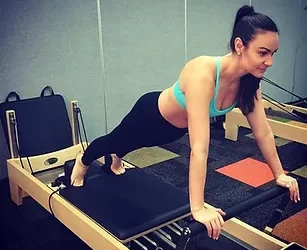
Pilates & Back Pain Rehab (Part 3 of 3): How Much Is Enough?
In Part 3 of our Pilates series, we explore how reformer-based Pilates can transition from rehabilitation into performance. Whether you’re recovering from injury or looking to build long-term strength and control, this stage focuses on progressing load, refining movement quality, and integrating whole-body patterns. Backed by clinical experience and research, we show how Pilates can be a powerful bridge from pain to performance.
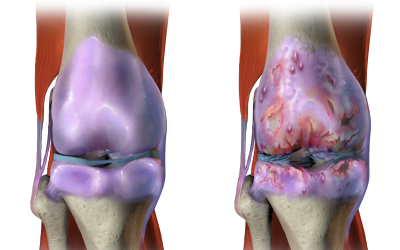
Navigating Knee Osteoarthritis: A Physio-Centric Pathway to Strength and Mobility Before Surgery
Knee osteoarthritis (OA) is one of the most common causes of chronic pain and mobility restriction in Australians over 45. Whether you're a weekend warrior, an active grandparent, or someone just trying to keep up with the daily demands of life, OA can slowly erode...
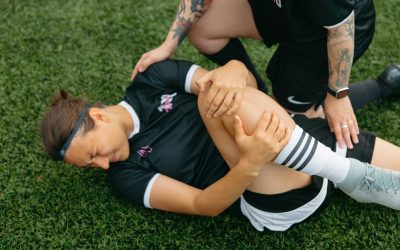
ACL Rehabilitation: The Role of Physiotherapy in Returning to Life, Activity, and Sport
Recovering from ACL surgery? Praxis Physiotherapy delivers structured, evidence-based ACL rehab to help you return to life, sport, and everyday function. Learn more.
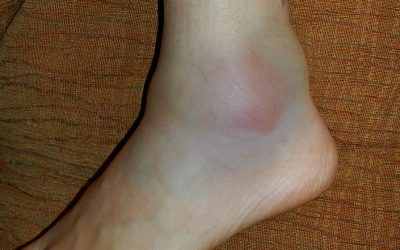
Ankle Sprains: Don’t Let a Simple Injury Turn into a Long-Term Problem
Ankle sprains are among the most common injuries we see at Praxis Physiotherapy. Whether you're an AFL midfielder, a cricket fast bowler, or a weekend runner pounding the Brisbane River loop, lateral ankle sprains can derail performance and linger longer than they...
The Benefits of Remedial Massage
Remedial Massage: Indulgence or Evidence-Based Care? We all enjoy the occasional indulgence, a moment to switch off, slow down, or reward ourselves after a busy week. For many people, massage falls into this category. It is often seen as a “luxury” rather than a...

Osgood Schlatters Disease – More than just growing pains in the adolescent knee
Osgood-Schlatter disease (OSD) (or tibial tuberosity traction apophysitis) is a common condition that affects the knee, primarily in adolescents and young athletes. OSD is more frequently experienced in males 12-15 years old who are involved in activities that require...
Achilles Tendinopathy: How to treat your Achilles Pain
Today on the Praxis What We Preach blog, where we shed light on Achilles tendinopathy, a common condition affecting athletes and active individuals. In this article, we will explore the causes, symptoms, and effective treatment strategies for managing Achilles...
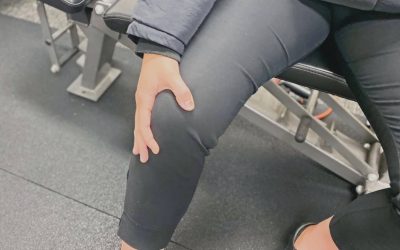
Capping kneecap pain – Your guide to Anterior Knee Pain (Patellofemoral Pain Syndrome)
Patellofemoral Pain Syndrome (PFPS) is a common condition that affects the knee joint, particularly the area where the kneecap (patella) meets the thigh bone (femur). It is a prevalent issue among athletes, active individuals, and people with certain anatomical...