Pain in the Neck: Why Your Neck Hurts and What To Do About It

Pain in the Neck: Why Your Neck Hurts and What To Do About It

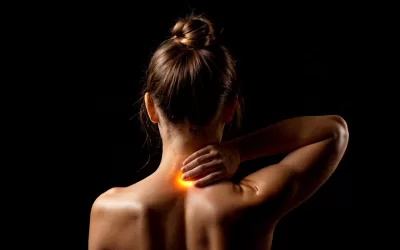
Neck pain is one of the most common reasons people seek physiotherapy – and for good reason. Whether it creeps in during long days at the desk, flares after a tough workout, or simply starts for no apparent reason, it can become an ongoing source of discomfort and limitation.

At Praxis Physiotherapy, we see patients every week with neck pain ranging from occasional stiffness to chronic, persistent aches. The good news? Physiotherapy – particularly manual therapy and targeted exercise – can make a real difference.

So, What Causes Neck Pain?

Most neck pain we treat is classed as “non-specific neck pain” (Verhagen 2021; Almalki et al. 2024). That means it doesn’t come from a single clear source like a fracture or disc bulge, but rather a combination of mechanical, postural, and sometimes psychosocial factors.

Risk factors include:

  • Prolonged static or awkward postures (like slouching over a desk)
  • High computer use (>75% of the workday)
  • Stress, anxiety, poor sleep or low mood
  • Lack of physical activity or poor muscle endurance (Cagnie et al. 2007; Louw et al. 2017)

Side view of senior man holding neck with visible discomfort, highlighting neck pain relief.

Importantly, neck pain often fluctuates – it might settle for weeks or months before flaring again. Up to 70% of people will experience neck pain in their lifetime, and around half of those will go on to experience recurring or chronic symptoms (Osborne et al. 2024).

What Actually Helps?

Let’s get straight to it. Here’s what the research says works – and what doesn’t.

Targeted Strengthening Exercises

A recent meta-analysis by Louw et al. (2017) showed strengthening exercises are consistently more effective than doing nothing. These exercises improve both pain and quality of life for office workers with non-specific neck pain.

Chen et al. (2018) reinforced this, finding the biggest improvements came from neck/shoulder-specific strength work done consistently. The same review highlighted that those who stuck to their program got the best results — a helpful reminder that consistency trumps intensity.

Interestingly, Osborne et al. (2024) found neck-specific resistance training not only helped pain but also changed how the nervous system processed pain – reducing hypersensitivity measured by QST (quantitative sensory testing). That’s not just “feeling better” – it’s a measurable shift in how your body interprets threat and discomfort.

Manual Therapy (With Exercise)

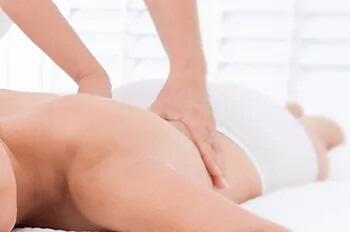
Close-up of a therapist giving a relaxing shoulder massage, enhancing wellness and stress relief.

Cervical and thoracic mobilisations – particularly when paired with exercise – help reduce pain and restore movement (Verhagen 2021; Damgaard et al. 2013). At Praxis, we’ll often use hands-on techniques in the early phase to loosen stiff joints or reduce muscle guard

ing, before layering in exercise to drive long-term change.

Manual therapy alone can offer short-term relief, but it’s the combination with exercise that produces meaningful, sustained improvement.

Close-up of woman using blue massage balls for neck relief against a wall.A Multimodal Approach

Combining manual therapy, strengthening, posture coaching, and education works better than relying on just one of these (Damgaard et al. 2013). This reflects our whole-person approach at Praxis – treating not just the neck, but the patterns, habits, and loads that contribute to the issue.

What About Stretching?

Stretching can feel good – and sometimes helps with short-term symptom relief – but strengthening is where the real long-term benefit lies (Louw et al. 2017). That said, we’ll often include mobility work alongside strengthening in the early phases of your rehab, especially if movement is limited or provoking.

And What Doesn’t Help?

Unfortunately, there’s still a lot of outdated advice and overreliance on passive treatments. Prolonged rest, neck braces, or relying solely on massage or dry needling – without addressing strength, posture, or movement – rarely produce lasting results.

Electrotherapy or ultrasound alone have limited evidence (Damgaard et al. 2013), and while they may provide short-term comfort, they don’t improve long-term function or resilience.

What You Can Expect at Praxis

Your physio will:

  1. Take a thorough history and assessment to rule out anything serious.
  2. Identify movement deficits, strength imbalances, or aggravating work setups.
  3. Use manual therapy to settle symptoms and restore range of motion.
  4. Build a personalised exercise plan focused on restoring strength and endurance.
  5. Offer ergonomic and postural coaching to help you load your neck better, not less.

Whether you’re a desk-bound professional, a busy parent, or an elite athlete – your neck pain deserves proper, evidence-based care.

Struggling with neck pain that just won’t go away? Let one of our experienced physios at Praxis guide you back to feeling and moving better – book today

Until next Praxis What You Preach..

📍 Clinics in Teneriffe, Buranda, and Carseldine
💪 Trusted by athletes. Backed by evidence. Here for everyone.

The Benefits of Remedial Massage

The Benefits of Remedial Massage

Remedial Massage — Indulgence or Evidence-Based Care?

We all enjoy the occasional indulgence — a moment to switch off, slow down, or reward ourselves after a busy week. For many people, massage falls into this category. It is often seen as a “luxury” rather than a legitimate health intervention.

The good news is that, unlike many indulgences, massage is associated with a range of reported health benefits. In fact, as wellness interventions go, it is relatively affordable, low risk, and widely accessible. But as always, it’s worth looking beyond the feel-good factor and asking — what does the evidence actually show?

Massage has long been a popular treatment among athletes, coaches, and sports physiotherapists. It is frequently used to assist recovery, manage muscle soreness, and promote relaxation. However, despite its widespread use, the scientific evidence remains mixed. While many people report meaningful benefits, research suggests that the physiological effects of massage are complex and not always consistent across studies (Arroyo-Morales et al., 2011).

What actually happens during a massage?

Massage therapy involves applying manual pressure, kneading, and movement to the muscles and surrounding soft tissues — including tendons, ligaments, and fascia. It is a form of manual therapy that aims to influence both local tissue behaviour and the broader nervous system.

Weerapong and colleagues (2005) proposed four key mechanisms through which massage may affect the body. Three of the most relevant are outlined below.

1. Biomechanical effects

Mechanical pressure from massage can influence the physical properties of muscle and surrounding tissues. Research suggests that massage may:

  • Improve muscle compliance (flexibility of the muscle)

  • Reduce passive muscle stiffness

  • Reduce active muscle tension

  • Increase joint range of motion

  • Enhance local blood flow through increased arteriolar pressure

  • Raise muscle temperature via friction and movement

These effects help explain why people often feel “looser,” warmer, and less stiff after a treatment (Hopper et al., 2004).

2. Neurological effects

Massage does not only act on muscles — it also influences the nervous system.

One way this occurs is through changes in neural excitability, which can be measured using the Hoffman reflex (H-reflex). This reflex provides insight into how responsive the spinal motor neurons are — in simple terms, how “switched on” a muscle is.

A study on calf massage (Morelli et al., 1990) demonstrated that massage could reduce spinal motor neuron excitability. Practically, this suggests massage may promote muscle relaxation in a similar way to gentle stretching or sustained pressure techniques.

This neurological effect may help explain why massage can reduce perceived muscle tightness, improve comfort, and support recovery even when structural tissue changes are minimal.

3. Physiological effects

Massage has also been shown to influence the autonomic nervous system — the system that regulates stress and relaxation in the body.

Studies demonstrate changes in:

  • Heart rate

  • Blood pressure

  • Heart rate variability (a marker of stress regulation)

  • Cortisol levels (a stress hormone)

Together, these changes reflect an increase in parasympathetic (rest-and-digest) activity, creating a genuine relaxation response rather than just a subjective feeling of calm.

4. Psychological effects

Beyond physical changes, massage can have meaningful psychological benefits.

Research has shown that massage can reduce anxiety and improve mood state. In sporting contexts, pre-performance massage has even been associated with lower performance anxiety, helping athletes feel calmer and more focused before competition (Arroyo-Morales et al., 2011).