
The Benefits of Remedial Massage
Remedial Massage — Indulgence or Evidence-Based Care?
We all enjoy the occasional indulgence — a moment to switch off, slow down, or reward ourselves after a busy week. For many people, massage falls into this category. It is often seen as a “luxury” rather than a legitimate health intervention.
The good news is that, unlike many indulgences, massage is associated with a range of reported health benefits. In fact, as wellness interventions go, it is relatively affordable, low risk, and widely accessible. But as always, it’s worth looking beyond the feel-good factor and asking — what does the evidence actually show?
Massage has long been a popular treatment among athletes, coaches, and sports physiotherapists. It is frequently used to assist recovery, manage muscle soreness, and promote relaxation. However, despite its widespread use, the scientific evidence remains mixed. While many people report meaningful benefits, research suggests that the physiological effects of massage are complex and not always consistent across studies (Arroyo-Morales et al., 2011).
What actually happens during a massage?
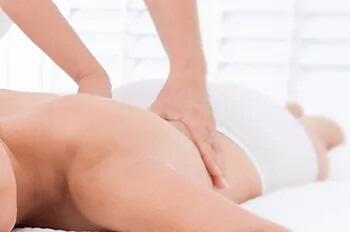
Massage therapy involves applying manual pressure, kneading, and movement to the muscles and surrounding soft tissues — including tendons, ligaments, and fascia. It is a form of manual therapy that aims to influence both local tissue behaviour and the broader nervous system.
Weerapong and colleagues (2005) proposed four key mechanisms through which massage may affect the body. Three of the most relevant are outlined below.
1. Biomechanical effects
Mechanical pressure from massage can influence the physical properties of muscle and surrounding tissues. Research suggests that massage may:
Improve muscle compliance (flexibility of the muscle)
Reduce passive muscle stiffness
Reduce active muscle tension
Increase joint range of motion
Enhance local blood flow through increased arteriolar pressure
Raise muscle temperature via friction and movement
These effects help explain why people often feel “looser,” warmer, and less stiff after a treatment (Hopper et al., 2004).
2. Neurological effects
Massage does not only act on muscles — it also influences the nervous system.
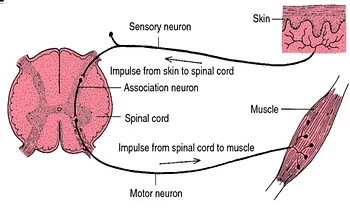
One way this occurs is through changes in neural excitability, which can be measured using the Hoffman reflex (H-reflex). This reflex provides insight into how responsive the spinal motor neurons are — in simple terms, how “switched on” a muscle is.
A study on calf massage (Morelli et al., 1990) demonstrated that massage could reduce spinal motor neuron excitability. Practically, this suggests massage may promote muscle relaxation in a similar way to gentle stretching or sustained pressure techniques.
This neurological effect may help explain why massage can reduce perceived muscle tightness, improve comfort, and support recovery even when structural tissue changes are minimal.
3. Physiological effects
Massage has also been shown to influence the autonomic nervous system — the system that regulates stress and relaxation in the body.
Studies demonstrate changes in:
Heart rate
Blood pressure
Heart rate variability (a marker of stress regulation)
Cortisol levels (a stress hormone)
Together, these changes reflect an increase in parasympathetic (rest-and-digest) activity, creating a genuine relaxation response rather than just a subjective feeling of calm.
4. Psychological effects
Beyond physical changes, massage can have meaningful psychological benefits.
Research has shown that massage can reduce anxiety and improve mood state. In sporting contexts, pre-performance massage has even been associated with lower performance anxiety, helping athletes feel calmer and more focused before competition (Arroyo-Morales et al., 2011).