Shin Splints: Causes, Treatment & How to Get Back to Running Stronger

Shin Splints: Causes, Treatment & How to Get Back to Running Stronger

Key Takeaways

  • Shin splints (MTSS) are an overuse bone stress injury.

  • Training load errors are the biggest contributor.

  • Hip strength and force control play a major role.

  • Early management prevents stress fractures.

  • Strength + smart loading beats rest alone.
    Mid Potion Achilles Tendinopathy Location

    Shin Splints

    Shin splints, known in the research as medial tibial stress syndrome (MTSS) are one of the most common running injuries we see at Praxis Physiotherapy across our Teneriffe, Buranda and Carseldine clinics.

    If you’re noticing a dull ache along the inside of your shin that worsens with running, skipping or sport, you’re not alone. The good news? With the right plan, shin splints are highly manageable — and preventable.

    Let’s break down what’s actually happening, why it develops, and what you can start doing today.

    What Are Shin Splints (Medial Tibial Stress Syndrome)?

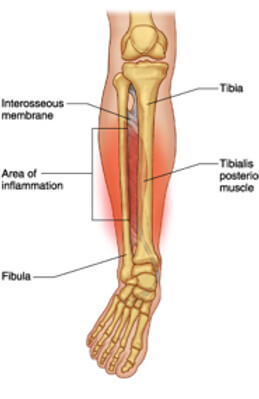
    Shin splints are an overuse bone stress injury affecting the inner (medial) border of your tibia (shin bone).

    What does it feel like?

    • Aching pain along the lower inside shin

    • Sharp pain when running or jumping

    • Tenderness to touch along the bone

    • Morning stiffness or pain when first starting activity

    Unlike a stress fracture (which is more focal and severe), shin splints usually present as a broader area of tenderness along the bone.

    What’s Actually Happening? (The Pathology Explained Simply)

    MTSS is no longer thought to be just an “inflammation” problem.

    Current evidence suggests shin splints develop due to repetitive loading that exceeds the bone’s capacity to adapt. When running loads increase too quickly, the tibia experiences repeated bending stress. If recovery isn’t adequate, this leads to:

    • Bone stress reaction

    • Irritation of the periosteum (bone lining)

    • Localised pain along the medial tibia

    If ignored, MTSS can progress to a tibial stress fracture, which requires significantly longer time away from running.

    That’s why early management matters.

    Why Do Shin Splints Develop?

    A large systematic review by Winkelmann et al. (2016) identified over 100 potential risk factors for MTSS, with several consistently seen in clinical practice.

    Key Risk Factors Supported by Research

    1. Training Load Errors
    Rapid increases in running volume, intensity, or frequency are one of the strongest contributors.
    (Winters et al., 2013; Nielsen et al., 2012)

    2. Higher Body Mass Index (BMI)
    Greater body mass increases tibial loading forces.

    3. Biomechanical Factors

    • Increased navicular drop (foot pronation)

    • Greater plantarflexion range

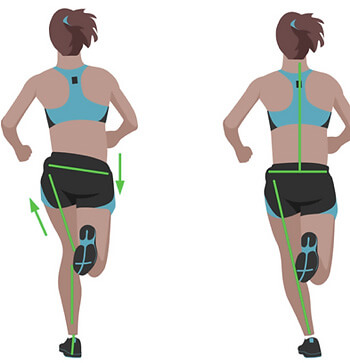
    • Hip muscle weakness and poor pelvic control

    4. Previous History of MTSS
    Recurrence risk is higher without proper rehabilitation.

    Importantly flat feet alone are rarely the sole cause.

    What we often see clinically is this chain reaction:

    Poor hip control → knee collapses inward → foot over-pronates → increased traction stress on medial tibia.

    The foot is often the victim, not the culprit.
    Why Rest Alone Isn’t Enough

    Yes — rest reduces pain. But rest does not improve:

    • Load tolerance

    • Running capacity

    • Strength deficits

    • Movement control

    This explains why shin splints are common in recreational runners but less frequent in well-structured training programs. Higher-level athletes typically follow progressive loading plans that allow bone and tendon adaptation.

    Research consistently supports graded loading and strengthening as key components of recovery (Moen et al., 2012).

    .

    How to Manage Shin Splints (Early Stage Tips)

    If your symptoms are mild to moderate, here are evidence-informed starting points:

    1️⃣ Relative Rest (Not Complete Rest)

    Reduce running volume by 30–50%.
    Avoid sharp increases in load.
    Swap some runs for cycling or swimming temporarily.

    2️⃣ Strengthen the “Shock Absorbers”

    Focus on:

    • Calf strength (bent and straight knee)

    • Tibialis posterior strengthening

    • Glute medius and hip control exercises

    • Single-leg stability work

    Improving hip strength can reduce tibial loading by improving force control through the limb.

    3️⃣ Manage Running Workload

    Follow the “10% rule” cautiously.
    Allow recovery days between harder sessions.
    Avoid sudden terrain changes (e.g., grass → concrete).

    4️⃣ Consider Footwear

    Ensure shoes are not worn out (>600–800km).
    Orthotics may help some individuals — but only after assessment.

    When Should You See a Physio?

    Seek professional assessment if:

    • Pain persists longer than 2–3 weeks

    • Pain becomes sharp and localised

    • Hopping on one leg is painful

    • Symptoms worsen despite reducing load

    Early intervention reduces the risk of progression to stress fracture.

    How Praxis Approaches Shin Splints

    At Praxis, we don’t treat “shin splints.”
    We treat your specific loading problem.

    Your plan may include:

    ✔ Comprehensive running and strength assessment
    ✔ Individualised load management plan
    ✔ Targeted strength and control program
    ✔ Manual therapy where appropriate
    ✔ Gradual return-to-run progression
    ✔ Prevention strategy for long-term performance

    Because no two runners load the same way, and no two recovery plans should be identical.

    If you’re dealing with shin splints, or want to prevent them from coming back, our team can help.

    Book an in-depth running and lower limb assessment today.

    📍 Clinics in Teneriffe, Buranda & Carseldine
    📞 (07) 3102 3337
    💻 Book online

    💪 Trusted by athletes. Backed by evidence. Here for everyone.

    The Praxis Team.

    PREVENT | PREPARE | PERFORM

    References

    • Winkelmann ZK et al. (2016). Risk factors for medial tibial stress syndrome in active individuals. Journal of Athletic Training, 51(12), 1049–1052.

    • Winters M et al. (2013). Medial tibial stress syndrome: a critical review. Sports Medicine, 43(12), 1315–1333.

    • Moen MH et al. (2012). Treatment of medial tibial stress syndrome: a systematic review. Sports Medicine, 42(11), 965–981.

    • Nielsen RO et al. (2012). Training errors and running-related injuries. International Journal of Sports Physical Therapy, 7(1), 58–75.


    Images:

    The above images are owned by the “Trainer Academy (https://traineracademy.org/) ” and used in this article with thanks.

    References:

    1. Hopper D, Deacon S, Das S, et al. Dynamic soft tissue mobilization increases hamstring flexibility in healthy male subjects. Br J Sports Med. 2004;39:594–598
    2. Weerapong, P., Hume, P.A. & Kolt, G.S. The mechanisms of massage and effects on performance, muscle recovery and injury prevention. Sports Med 2005; 35: 235
    3. Morelli M, Seaborne DE, Sullivan SJ. Changes in h-reflex amplitude during massage of triceps surae in healthy subjects.J Orthop Sports Phys Ther. 1990;12(2):55-9.
    4. Arroyo-Morales M1, Fernández-Lao C, Ariza-García A, Toro-Velasco C, Winters M, Díaz-Rodríguez L, Cantarero-Villanueva I, Huijbregts P, Fernández-De-las-Peñas C. Psychophysiological effects of preperformance massage before isokinetic exercise. J Strength Cond Res. 2011 Feb;25(2):481-8.

    https://www.massagemyotherapy.com.au/Home
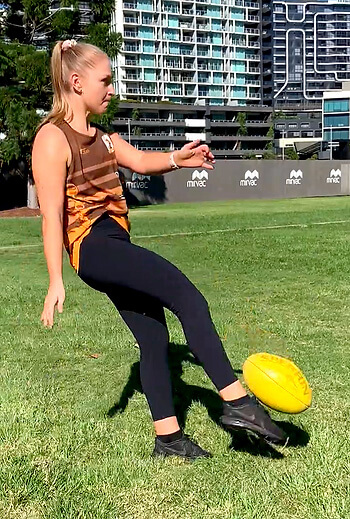
    Fact or Fiction – Preseason Training

    Fact or Fiction – Preseason Training

    Answer – FACT

    With preseason training just around the corner, this blog is a timely reminder that turning up to preseason training consistently will give athletes the best chance of being able to play most games next year.

    Murray et al (2017) reported that AFL players who completed <50% of pre-season training were 2x more likely to sustain in-season injury than those who completed >85%! This is not just relevant to elite AFL, it is relevant to all sports of all levels (even more so)! So what’s the take home message? For the best chance to be able to play week in/week out during the competitive phase of the season, consistency during preseason is vital.

    If you had injuries last season or are trying to make this your best season yet, see us to make sure you are ticking all the boxes!

    #praxisphysio #preventprepareperform #factorfictionfriday #preseasontraining #praxispwhatyoupreach #afl #sportsphysio #preventprepareperform

    References:

    Murray NB, et al. Relationship Between Preseason Training Load and In-Season Availability in Elite Australian Football Players. Int J Sports Physiol Perform. 2017.

    Fact or Fiction – Strength Training

    Fact or Fiction – Strength Training

    I’ve been doing my exercises for two weeks religiously and I’m no stronger! This will never work!

    ANSWER: Fiction

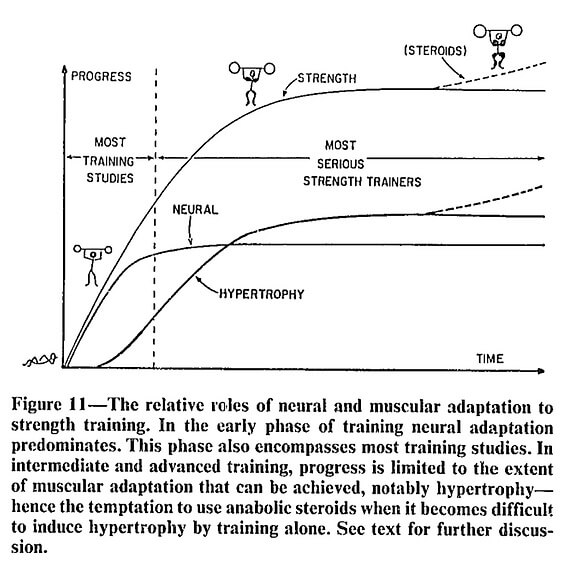
    How long does it take to have strength gains? The answer is actually in two parts. Increasing muscle size (hypertrophy) takes a minimum of 6 weeks, and repetitive exposures to fatiguing loads. BUT, neural adaptations can occur over the first 1-2 weeks.

    What the heck is neural adaptations? Imaging you have a small car battery trying to start a truck. It will struggle to do a good job again and again and fade easily. Now try using 10 of those same smaller batteries, which makes the engine start easier. A similar type of thing happens with our nervous system as we train. We become much more efficient with our neural firing to the muscle.

    As you can see in the picture below, you have a long way to go in your strengthening after those first two weeks. That is often why we often need to see beyond when the pain goes away as we know that there is so much more work to be done!

    If you have been troubled by niggles and pains, don’t hesitate to contact us to ensure we can help you prevent prepare perform! Book online or call us on (07) 3102 3337.

    #factorfictionfriday #praxisphysio #physioeducation #knowledgeiskey

    Sale, D. G. (1988). Neural adaptation to resistance training. Med Sci Sports Exerc, 20(5 Suppl), S135-145. doi:10.1249/00005768-198810001-00009

    Chronic Groin Pain (Athletic Pubalgia)

    Chronic Groin Pain (Athletic Pubalgia)

    GROIN PAIN

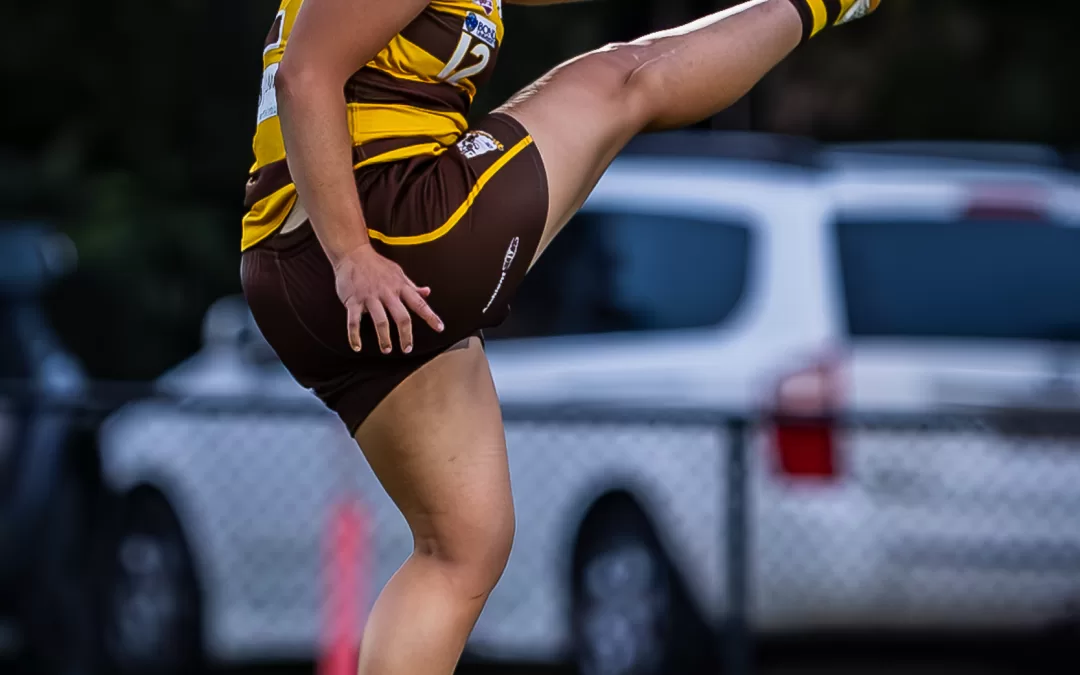
    Groin pain, referred to also as athletic pubalgia, is a common problem for a number of athletes, particularly those who engage in sports that require specific use (or overuse) of lower abdominal muscles and the proximal muscles of the thigh. Predominantly, these activities centre around kicking sports such as AFL and soccer, as well as long distance running. Ice hockey is also a well renowned sport in which chronic groin pain occurs. All these sports involve repetitive energetic kicking, twisting, turning or cutting movements, which are all risk factors for causing pubalgia.

    SUMMARY:

    • Four structures are commonly implicated in the causes of groin pain
    • Adductor muscles
    • Pubic bone
    • Abdominal wall
    • Iliopsoas
    • Understanding which of these four structures is causing your pain is key in effective management
    • Exercise therapy and activity modifications should be the mainstay of treatment
    • Absolute rest has been shown to be ineffective
    • Steady gradual progressions through strength and function, tailored to your goals, is key to successful management
    Mid Potion Achilles Tendinopathy Location

    ROLE OF HIP ADDUCTORS (groin muscles)

    Similar to other joints in the body, the hip relies on muscular control for stability and movement. At the hip, there are five key planes of movement; flexion, extension, abduction, adduction and rotation.

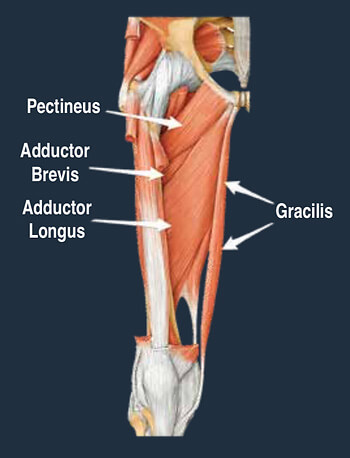
    The adductor muscles are a large group of muscles located on the inner side of the thigh, attaching from below the knee, along the shaft of the femur and into the pubic bone of the pelvis.

    While acute tears of the adductor muscle is common, more long standing pain is usually the result of an overload of the adductor tendon that attach to the pelvis. This is called an adductor tendinopathy. Adductor enthesopathy is common disorder which effects the bony attachment point of the tendon, with a slight structural difference from tendinopathy, however, management is similar in both cases

    MANAGEMENT OPTIONS

    Exercise:

    Strength and functional based exercise are the core management strategies for adductor tendinopathy, and have been shown to increase function, decrease pain and reduce likelihood of injury [4].

    Activity Modification:

    Activity modification, especially in the acute phase or when symptoms are significantly affecting function, is key in reducing load on the affected structures and allowing tissues to adapt. [1]

    Rest:

    While activity modification is important, absolute rest has been shown to be ineffective in the management of adductor tendinopathy, and does not promote adequate tissue repair. [1,2]

    Other:

    Other conservative measures such as manual therapy, electrotherapy and stretching have been [1] explored, with reduced effect compared exercise prescription. Surgical management is also a potential option, with some positive results emerging for groin pain, though specific evidence [10] around adductor tendinopathy is limited. [10]

    WHY IS EXERCISE IMPORTANT?

    Exercise has been shown to increase tendon turnover, meaning in the first 24-36 hours there is a reduction in tendon integrity, but after that there is an overall increase in integrity and strength. Other benefits include: increased blood flow, increase in growth factors, and a reduction in altered pain processes in the brain [14].

    WHAT’S THE BEST EXERCISE?

    Isometric exercise has been shown to be effective in short term pain relief. Current evidence is unclear as to the best long term exercise strategies, with evidence supporting both eccentric and heavy-slow isotonic exercise. [12]

    EXERCISE PLAN

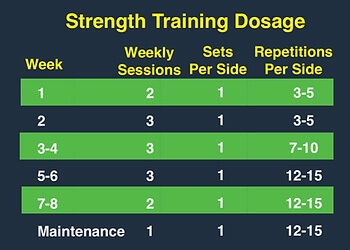
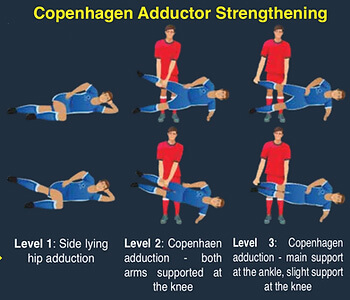
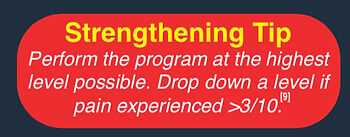
    The Copenhagen Adductor Program [9], with the below dosage, has been shown to significantly improve adductor strength, as well as being effective in groin injury prevention. It is important to note that though the program is eight weeks long, most effective tendon[12] adaptations take ≥ 12 weeks, and a tailored dosage should be discussed with your physiotherapist towards the end stage of rehabilitation.

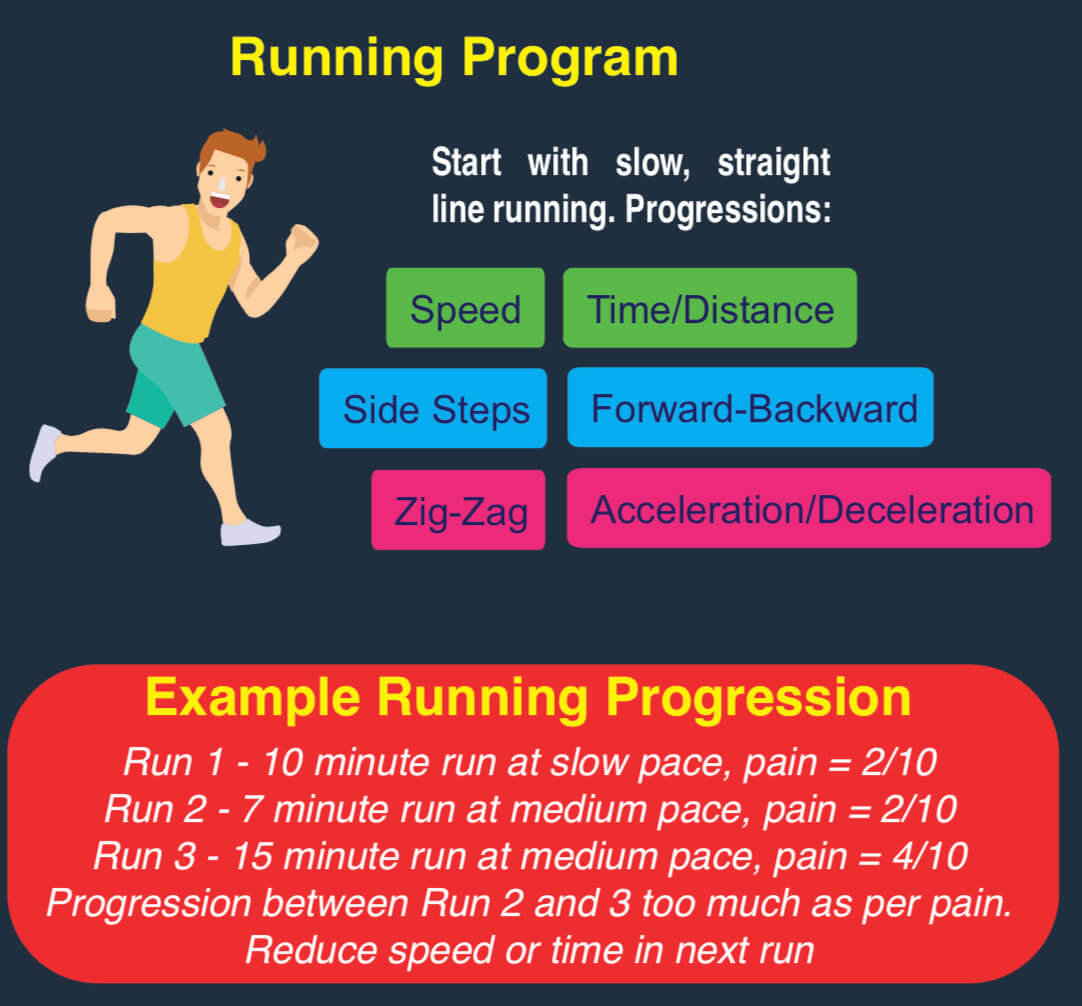
    Depending on how the symptoms affect your function, a reduction in training, running and kicking may also be required. Example progressions are noted below in the running program, in order of loading on adductors.

    ADDITIONAL STRENGTH AND PROGRAMS

    While targeted strengthening to the adductors is key, global strengthening around the hip may also aid in a reduction of loading to the tendon. Thorough assessment of your strength through all five movements noted previously is needed, as well as a tailored training program to resolve any discrepancies.

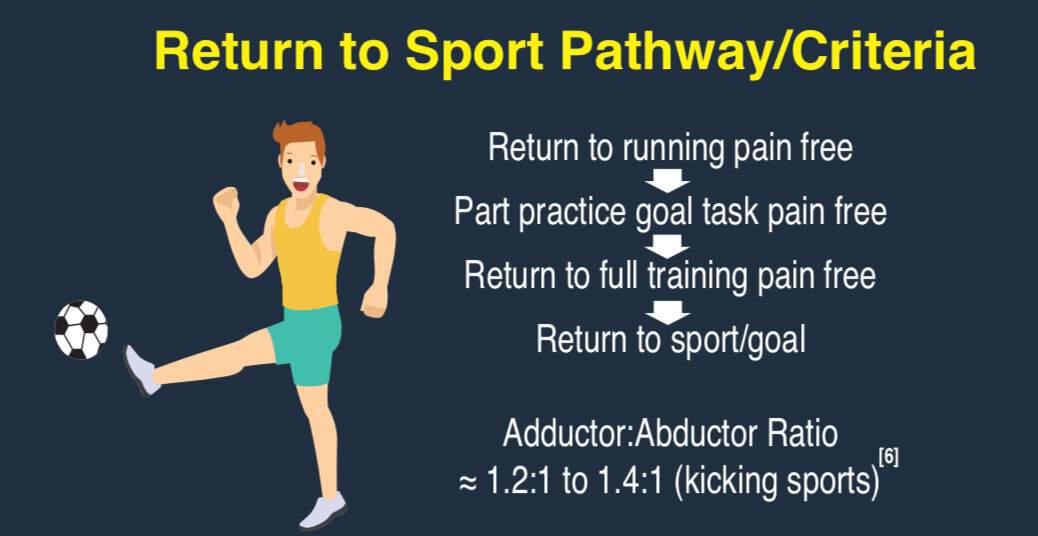
    As symptoms reduce and function improves, part practice of painful activities, can be beneficial to reload structures, for example, banded kicking movements in preparation for return to soccer.

    SUMMARY

    In chronic adductor tendinopathy, tendon adaptations take time. It is important to understand this as you begin your rehab journey and not progress more than your body can tolerate. Steady gradual progressions through strength and function, tailored to your goals, is key to successful management.

    As always, if you have a history of groin pain or are concerned about performance in your chosen sport, contact us today and chat to one of our friendly and knowledgeable physiotherapist to ensure you can Prevent. Prepare. Perform. Alternatively you can book online here

    Till next time, Praxis what you Preach

    📍 Clinics in Teneriffe, Buranda, and Carseldine

    💪 Trusted by athletes. Backed by evidence. Here for everyone.

    References: 

    1.  Almeida, M.O., et al., Conservative interventions for treating exercise‐related musculotendinous, ligamentous and osseous groin pain. Cochrane Database of Systematic Reviews, 2013(6).
    2. Bohm, S., F. Mersmann, and A. Arampatzis, Human tendon adaptation in response to mechanical loading: a systematic review and meta-analysis of exercise intervention studies on healthy adults. Sports Medicine – Open, 2015. 1(1): p. 7.
    3.  Brukner, P., Brukner & Khan’s clinical sports medicine / Peter Brukner … [et al.]. Sports medicine series, ed. K. Khan. 2012, North Ryde, N.S.W: McGraw-Hill Australia.
    4. Charlton, P.C., et al., Exercise Interventions for the Prevention and Treatment of Groin Pain and Injury in Athletes: A Critical and Systematic Review. Sports Med, 2017. 47(10): p. 2011-2026.
    5. Frizziero, A., et al., The role of eccentric exercise in sport injuries rehabilitation. Br Med Bull, 2014. 110(1): p. 47-75.
    6. Griffin, V.C., T. Everett, and I.G. Horsley, A comparison of hip adduction to abduction strength ratios, in the dominant and non-dominant limb, of elite academy football players. Journal of Biomedical Engineering and Informatics, 2015. 2(1): p. 109.
    7. Haroy, J., et al., The Adductor Strengthening Programme prevents groin problems among male football players: a cluster-randomised controlled trial. Br J Sports Med, 2019. 53(3): p. 150-157.
    8. Harøy, J., et al., Infographic. The Adductor Strengthening Programme prevents groin problems among male football players. British Journal of Sports Medicine, 2019. 53(1): p. 45.
    9. Haroy, J., et al., Including the Copenhagen Adduction Exercise in the FIFA 11+ Provides Missing Eccentric Hip Adduction Strength Effect in Male Soccer Players: A Randomized Controlled Trial. Am J Sports Med, 2017. 45(13): p. 3052-3059.
    10. Jorgensen, S.G., S. Oberg, and J. Rosenberg, Treatment of longstanding groin pain: a systematic review. Hernia, 2019.
    11. Kohavi, B., et al., Effectiveness of Field-Based Resistance Training Protocols on Hip Muscle Strength Among Young Elite Football Players. Clin J Sport Med, 2018.
    12. Lim, H.Y. and S.H. Wong, Effects of isometric, eccentric, or heavy slow resistance exercises on pain and function in individuals with patellar tendinopathy: A systematic review. Physiother Res Int, 2018. 23(4): p. e1721.
    13. Machotka, Z., S. Kumar, and L.G. Perraton, A systematic review of the literature on the effectiveness of exercise therapy for groin pain in athletes. Sports Med Arthrosc Rehabil Ther Technol, 2009. 1(1): p. 5.
    14. Magnusson, S.P., H. Langberg, and M. Kjaer, The pathogenesis of tendinopathy: balancing the response to loading. Nat Rev Rheumatol, 2010. 6(5): p. 262-8.
    15. Rio, E., et al., Tendon neuroplastic training: changing the way we think about tendon rehabilitation: a narrative review. British Journal of Sports Medicine, 2016. 50(4): p. 209.
    16. Thorborg, K., et al., The Copenhagen Hip and Groin Outcome Score (HAGOS): development and validation according to the COSMIN checklist. Br J Sports Med, 2011. 45(6): p. 478-91.
    17. Wei, A.S., et al., The effect of corticosteroid on collagen expression in injured rotator cuff tendon. The Journal of bone and joint surgery. American volume, 2006. 88(6): p. 1331-1338.
    Podcast

    Podcast

    PODCAST

    Something a little different for Praxis Physio recently with our principal physio Stephen, having a chat with Matt from Back Yourself fitness.

    The latest episode is all about rehab, recovery, Praxis Pilates and physio assessments.

    Some interesting stories about all things Praxis, footy with Aspley Hornets and cricket all done on location at our Club Coops clinic.

    If you think Stephen is the physio to help you navigate your aches and pains, feel free to give us a call on (07) 3102 3337 or book online today

    The BACK YOURSELF PODCAST is available on all podcast platforms 🔥🎧.