Pilates: Reforming our back pain rehabilitation (Part 1 of 3)

Pilates: Reforming our back pain rehabilitation (Part 1 of 3)

With our 30 day pilates challenge starting today, we thought we would take a look at why we love pilates so much for our patients, and what some of the benefits are. Part 1 looks at how pilates affect those with chronic lower back pain. Part 2 looks at the difference between mat and reformer pilates and part 3 looks at how often is required to see the benefit of pilates.

SUMMARY:

  • Back pain is extremely common, multifactorial, and often reoccurs
  • Strengthening interventions appear better for long term suffers of lower back pain
  • Pilates has been shown to improve muscular strength and endurance of key pelvic and postural musculature associated with lower back pain
  • Specifically, pilates promotes the restoration of the function of muscles involved in lumbopelvic stabilisation, that is, transversus abdominis, multifidus, diaphragm and pelvic floor muscles
  • As little as 2 sessions per week for 6 weeks has been shown to see improvements in pain and function for those with longstanding lower back pain, even after stopping pilates

Chronic low back pain (CLBP) is one of the commonest musculoskeletal problems in modern society (Anderson 1999) and is a highly prevalent in both the sporting and general public. CLBP is experienced by 70%–80% of adults at some time in their lives (Crombez et al 1999) and as such, the costs associated with LBP and related disability are enormous, causing a major economic burden for patients, governments and health insurance companies (Dagenais 2008).

Lower back pain has been one of the most extensively studied musculoskeletal conditions as a result of the prevalence and debilitation nature. Its management comprises a range of different intervention strategies including surgery, drug therapy and non-medical intervention like rehabilitation (Paolucci et al 2018). Within Physiotherapy, exercise therapy is probably the most commonly used intervention for the treatment of patients with chronic non-specific LBP due to its plausible biological rationale and low cost.

Whilst general conditioning programs to train strength and endurance of the spine musculature have been shown to reduce pain intensity and disability (Rainville et al 2004), the popularity of pilates (both mat and reformer) has helped provide an accessible and supervised form of therapeutic exercise.

EVIDENCE FOR PILATES

The Pilates method, using functional exercises aims to improve muscular strength and endurance. Specifically, the pilates method have promotes the restoration of the function of muscles involved in lumbopelvic stabilisation, that is, transversus abdominis, multifidus, diaphragm and pelvic floor muscles. Using the principles of progressive overload, your body adapts to the incremental loading week after week and consequently results important postural control improvement. In 2009, Curnow and colleagues showed that the Pilates method improves load transfer through the pelvis, something that intuitively helps those with CLBP.

However, a systematic review (Patti et al 2015) reported evidence that Pilates method-based exercises are more effective than no treatment or minimal physical exercise interventions in the management of chronic nonspecific LBP. Further, they pointed out that the effects of the Pilates method are only proven for patients with chronic nonspecific LBP in the short term.

A recent study by Natour and colleagues (2015) showed that the group of participants that were practicing Pilates method resulted statistically better compared with the a non exercising group who only used inflammatory medication. Those who were in the pilates group used less pain medication at 45, 90 (conclusion of the Pilates method), and 180 days, 90 days after the conclusion of the exercise program.

In conclusion, Pilates as an exercise choice is more effective than minimal physical exercise or drug based interventions in reducing pain and disability in the short-term period. There is agreement that exercise “helps” in the treatment of chronic pain, but it is still not clear exactly which factors or particular kind of exercises may be responsible of such improvements (Natour et al 2015; Patti et al 2015). Praxis Physiotherapy has always been a strong proponent of movement and loading early in rehabilitation (more on this in later blogs!).

In the next instalment, we discuss the difference between mat and reformer pilates and perhaps find some more answers regarding which exercise regime reigns supreme!

Check out all our other reformer pilates services on our website

Until next time,

Prevent. Prepare. Perform.

References:

  1. Andersson GB. Epidemiological features of chronic low-back pain. Lancet. 1999;354(91789178):581–585.
  2. Crombez G, Vlaeyen JW, Heuts PH, Lysens R, Crombez G. Pain-related fear is more disabling than pain itself: evidence on the role of pain-related fear in chronic back pain disability. Pain. 1999;80(1-2):329–339.
  3. Dagenais DC, Caro J, Haldeman S. A systematic review of low back pain cost of illness studies in the United States and internationally. The Spine Journal 2008;8(1):8‐20.
  4. Paolucci, T., Attanasi, C., Cecchini, W., Marazzi, A., Capobianco, S. V., & Santilli, V. (2019). Chronic low back pain and postural rehabilitation exercise: a literature review. Journal of pain research, 12, 95.
  5. Rainville J, Hartigan C, Martinez E, Limke J, Jouve C, Finno M. Exercise as a treatment for chronic low back pain. Spine J. 2004;4:106-115
  6. Patti, A., Bianco, A., Paoli, A., Messina, G., Montalto, M. A., Bellafiore, M., … & Palma, A. (2015). Effects of Pilates exercise programs in people with chronic low back pain: a systematic review. Medicine, 94(4).
  7. Curnow, D., Cobbin, D., Wyndham, J., & Choy, S. B. (2009). Altered motor control, posture and the Pilates method of exercise prescription. Journal of bodywork and movement therapies, 13(1), 104-111.
  8. Natour, J., Cazotti, L. D. A., Ribeiro, L. H., Baptista, A. S., & Jones, A. (2015). Pilates improves pain, function and quality of life in patients with chronic low back pain: a randomized controlled trial. Clinical rehabilitation, 29(1), 59-68.

Kicking Goals! Praxis looks at AFL kicking mechanics

KICKING

As per usual the Praxis team delved into an area of clinical interest to better understand the demands of our athletes. Last session we discussed throwing technique which you can read about here.

SUMMARY

  • There are differences in kicking techniques when accuracy or distance is the focus.
  • More accurate kickers had tended to be more “head over the ball” with significantly:
  • greater hip flexion in both limbs
  • greater knee flexion in the support limb throughout the kicking movement and greater anterior pelvic tilt at heel contact
  • Longer kick distances were associated with:
  • greater foot speeds and shank angular velocities at ball contact,
  • larger last step lengths, and
  • greater distances from the ground when ball contact occurred.
  • To increase kicking distance:
  • increasing foot speed and shank angular velocity at ball contact, increasing the last step length, and
  • optimising ball position relative to the ground and support foot are recommended.
  • Injuries to the quadriceps are often associated with kicking

Given our longstanding association with AFL clubs around Brisbane, this week we looked at kicking kinematics (joint angles and relationships) with respect to both accurate and long kicks. Further, we discussed how to best rehab someone with a kicking based injury and helping them return to their chosen kicking sport (AFL, Rugby, Soccer, Gridiron etc).

ACCURACY:

The first paper we looked at was from Dichiera and colleagues (2006). Their study involved kicking an AFL football 15m at a target. They found that accurate kickers focussed more on larger hip flexion, anterior tilt and stance leg knee flexion. This best can be described as a “head over the football” approach.

They hypothesise that knee flexion is an important limb length adjustment mechanism which lowers the centre of gravity. During kicking, an increased stance leg knee bend would lower the centre of gravity somewhat throughout the movement. Lowering the centre of gravity is one way of increasing the stability of the body, a principle which is emphasised in many other areas in sports biomechanics.

DISTANCE:

Kicking for distance was associated with greater foot speeds and shank angular velocities at ball contact, larger last step lengths, and greater distances from the ground when ball contact occurred in a study performed by Ball (2008). This was more of a “lean back” strategy utilised by the kickers. Knee angular velocity at ball contact was measured at almost 1400 degrees per second! That kind of speed understandably places the knee extensors (i.e the quadriceps) at greatest risk for kicking injuries.

Ball (2008) outlined some basic coaching instructions to guide those seeking larger distances in their kicks. He suggested:

  • increasing foot speed and shank angular velocity at ball contact by increasing approach speed such that the hip of the kick leg is moving faster towards the target during the last step.
  • increasing the last step length but this step should be proportional to approach speed as over-striding is likely to be detrimental to the kick
  • Optimising ball position relative to the ground and support foot was also recommended though contact too high may result in a high kick, not a long kick.

From a physiotherapy perspective, we discussed:

  • Players have adequate hip extension range as to not to not overload lumbar spine and hip extensors (e.g hamstrings) especially in the presence of larger running and sprinting volumes typical in AFL and soccer
  • Hip flexor strengthening to improve the drive of swing leg through the kick and running
  • How to best reintegrate an athlete who sustained an injury whilst kicking back to full training and competition
  • Preventative exercise such as jump lunges and reverse nordics for quadriceps tissue resilience
  • How lumbopelvic control can help a kicker with both accuracy and distance

In summary, another Brisbane winter’s morning was successfully utilised by the Praxis team. We hope you enjoyed the read! For any injuries that you or your teammates need assessed and sorted fast, contact us.

Until next time, continue to Praxis What You Preach

– Team Praxis

​Prevent. Prepare. Perform.

References:

  1. Dichiera, A., Webster, K. E., Kuilboer, L., Morris, M. E., Bach, T. M., & Feller, J. A. (2006). Kinematic patterns associated with accuracy of the drop punt kick in Australian Football. Journal of Science and Medicine in Sport, 9(4), 292-298.
  2. Ball, K. (2008). Biomechanical considerations of distance kicking in Australian Rules football. Sports Biomechanics, 7(1), 10-23.

Congratulations Nancy!

GRADUATION

A massive congratulations to our resident remedial massage guru Nancy! She recently “doffed the cap” during her graduation ceremony. Nancy successfully completed a Bachelor of Health Science (Myotherapy) at the Endeavour College of Natural Health.

Myotherapy involves an extensive physical evaluation and an integrated therapeutic approach in the treatment of affected muscles, joints and nerves. Nancy gains an in depth understanding of human biology, musculoskeletal anatomy and function. Through extensive practical classes and clinical experience, graduates such as Nancy learn to conduct testing and physical assessments and apply a variety of practical skills such as myofascial release, dry needling, joint mobilisation and trigger point therapy.

Nancy continues to service her loyal massage followers on Tuesdays and Fridays at our Teneriffe location (91 Commercial Rd). You can book online here.

Well deserved Nancy – we are all proud of you!

– Team Praxis

Prevent. Prepare. Perform

Throwing Injuries

Throwing Injuries

THROWING

This week in professional development session, our physio team delved into throwing techniques and links to injury. Proper throwing mechanics are important to understand as they may enable an athlete to achieve maximum performance with minimum chance of injury (Fleisig et al 2012).

Throwing, tennis serving, cricket fast bowling and golf swings are all excellent examples are how the summation of the bodies forces can result in massive outputs of power. Although force to a ball or other projectile is applied directly by the hand, a ‘kinetic chain’ of the entire body is used.

Mid Potion Achilles Tendinopathy Location

One essential and shared property of these activities is they utilise the kinetic chain to generate and transfer energy from the larger body parts to the smaller, more injury-prone upper extremities. These activities are all also notorious for high rates of injury. The kinetic chain principle asserts that in a coordinated human motion, energy and momentum are transferred through sequential body segments, achieving maximum magnitude in the terminal segment.

This kinetic chain in throwing includes the following sequence of motions: stride, pelvis rotation, upper torso rotation, elbow extension, shoulder internal rotation and wrist flexion (Fleisig et al 2012).

According to Agresta and colleagues (2019), Risk factors for shoulder pain are:

  • Workload (spikes or high volume)
  • Age (younger athletes are more prone to injury)
  • Throwing technique (e.g lack of follow through, elbow varus and shoulder external rotation torque)
  • Reduction in shoulder range of motion (particularly shoulder internal rotation in preseason)
  • Reduced preseason strength (supraspinatus and prone external rotation strength)
  • Reduction in thoracic rotation
  • Previous injury

Whilst we love a nerdy discussion on intrinsic vs extrinsic risk factors and specific rehab options as much as the next person, sometimes you just need to get outside in the sun and FEEL the task you are poring over!!

The key phases of throwing are loosely depicted in the below photos by our Praxis Principal and former 1st Grade Cricketer, Stephen (adapted from Escamilla et al 2007):

Click on the photo to slow the sequence

One of the final key questions from the day was: Who out of our physiotherapists has a “custard arm” and who has a “bullet”?? So if you or someone you know is in a throwing sport, have a chat to us today on (07) 3102 3337 or book online to ensure you have an injury free season ahead!

Until next time, Praxis what you preach

Team Praxis

Prevent. Prepare. Perform

Praxis in the Alice

Praxis in the Alice

ALICE SPRINGS

Cam and Steve finish their week at the National Indigenous Cricket Carnival (NICC) as the central Physiotherapists representing Cricket Australia and Praxis. The NICC has been created to further advance and develop Indigenous cricket. The competition provides greater playing opportunities in Alice Springs, but also forms a deeper connection with Australian cricket’s high performance pathway.

They were busy providing their expertise to over 10 male and female cricket teams who didn’t have a travelling physio accompanying them to Alice Springs. With over 150 consults in a week and 12 hour days as a minimum, our principal physio’s leave the tournament a little weary but proud of the standard they maintained during their stint in the Red Centre.

During the week of the championships, a special screening of Walkabout Wickets, a documentary commissioned by Cricket Australia commemorating the 150th anniversary of Australia’s first cricket team to go on an international tour. There was a preview screening aired in the Alice Springs’ Todd Street Mall as well as on Channel 7. The documentary will be free to stream for the next few weeks on 7Plus. Stephen was fortunate enough to be on that tour providing physiotherapy services for both the national men’s and women’s indigenous sides .

Both Cam and Steve are back in clinic on Wednesday looking forward to living the Prevent Prepare Perform mantra at our HQ in Teneriffe.

Until Next time

Prevent. Prepare. Perform.

Team Praxis

Private Health and Pilates – Changes for April 1st 2019

SUMMARY:

  • Private Health Rebates don’t apply for Pilates after the 1st of April
  • After April 1, Members can still claim private health for Pilates when classes are lead by a physio
  • The term “Clinical Pilates” will be replaced with “Physiotherapy Exercise Sessions”
  • To understand the difference between Reformer Pilates and Physiotherapy Exercise Sessions (formerly Clinical Pilates) 
  • Physiotherapy and Remedial Massage reman as is

From April 2019, private health insurance will no longer cover a number of natural therapies, including pilates. These changes were announced by Health Minister Greg Hunt late last year. This move comes after a recent review by the Commonwealth Chief Medical Officer found there was no clear evidence of the efficacy of several therapies including homeopathy, iridology, kinesiology, naturopathy, reflexology, shiatsu, tai chi, and yoga.

However, the Australia Physiotherapy Association (APA) has won a hard fought battle ensuring Pilates exercises prescribed by physiotherapists as part of an individualised program will continue to receive rebates in one-on-one, group and class settings. Great news for all of you who are already using our Pilates at Praxis!

The Department of Health has just released its final clarification on the Rules governing its Private Health Insurance (PHI) reforms and agreed with our position that the use of exercises drawn from Pilates are acceptable and within the scope of physiotherapy practice.

Pilates-only sessions will no longer be funded as of 1 April 2019. The reform of natural therapies was designed to eliminate rebates for non evidence-based therapies, and not intended to impact physiotherapy.

However, there are some things that will change! These include:

Advertising and Promotion

Advertising and promotion of sessions must reflect the fact that they are physiotherapy exercise sessions, not Pilates.

Scheduled physiotherapy exercise classes advertised or promoted as Pilates—in material such as timetables, pamphlets and online—cannot lawfully receive rebates.

This Rule does not affect other types of marketing material such as our business name, practice signage and branding. It’s perfectly acceptable for us to incorporate the word Pilates in our branding, and in fact to offer Pilates-only classes that do not attract rebates.

However, sessions eligible for rebates by private insurers cannot consist solely of Pilates and therefore cannot be called Pilates in any timetables, promotion or advertising. We must therefore use the term “Physiotherapy Exercise Sessions” when referring to what once was coined, Clinical Pilates.

Private Health Insurance (PHI) compliance

The key to PHI compliance is the basic foundations of individualised assessment, follow up and record keeping that should already underpin our clinical pilates practice. To comply with current PHI requirements, physiotherapists must create:

  1. Individualised assessment of patients in one-on-one, group sessions and classes.
  2. A program of exercised-based interventions specific to the patient. In group sessions this includes adjusting the group program for individuals as required. In both groups and classes, the exercises should address a current health problem.
  3. High quality clinical notes that reflect physiotherapy practice.

So, there you have it. There are some sweeping changes coming to this space which we think are a good thing. Changing coverage for the excluded natural therapies will ensure taxpayer funds are spent appropriately and are not directed to therapies that do not demonstrate evidence of clinical efficacy. Changing coverage for the excluded natural therapies will remove costs from the system and contribute to reducing private health insurance premium growth.

If you have any questions, please don’t hesitate to contact us or your Private Health insurer or alternatively the governments own website.

Until next time… Prevent. Prepare. Perform.

Team Praxis.

Praxis Represents

Praxis Represents

We pride ourselves on using our skills to help athletes, weekend warriors and every day recreational exercises perform at their best. We also revel in the opportunity to tour and represent Praxis at national and international events.

In the first time in our short history, we have 3 physiotherapists out of the clinic providing their skills for Cricket Australia teams and tournaments both at home and abroad.

Stephen is looking after the Australian U19s in Colombo Sri Lanka, as recently covered in the PWYP blog: A winning Australian Cricket Side. He returns from the subcontinent on the 15th of January.

Zac, is busy down in Shepparton Victoria as a central physiotherapist for the Australia Country Cricket Championships. This competition will provide country cricketers an opportunity to play in a national carnival that will see six teams from across Australia and the East Asia Pacific (EAP) region battling across T20, OneDay and Two-Day cricket. Country cricket continues to be a tremendous nursery for talented young players including national representatives such as premier fast bowlers Andy Bichel and Shaun Tait, showing that this tournament is a viable part of the high performance pathway.

Cameron is about to embark upon two weeks in Ballarat and Bendigo as a central physiotherapist at the U18 Female National Championships. Underage National Championships are an integral part of the Australian Cricket Pathway. These Championships offer important development opportunities for our emerging stars and provide a stepping stone to further national representation. Events such as these have been the major contributor of talent to the Australian Women’s Team since its establishment helping such players as Meg Lanning and Ellyse Perry become the best in the world.

Congratulations to our three physiotherapists and we look forward to seeing them back in clinic soon!

Till next time,

Prevent. Prepare. Perform

Team Praxis

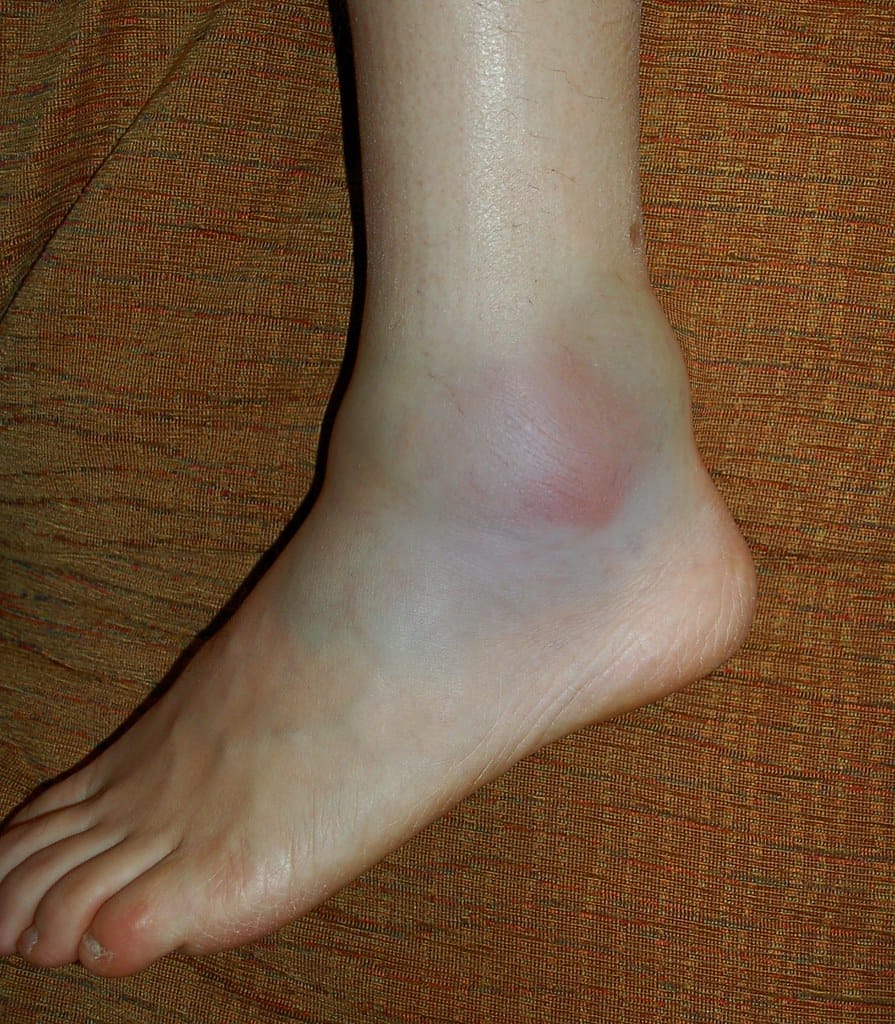
Mid Potion Achilles Tendinopathy Location

Causes and Risks

Achilles tendinopathy typically results from a combination of intrinsic and extrinsic factors. Intrinsic factors include age, reduced flexibility, reduced calf strength / endurance and poor lower limb biomechanics. Extrinsic factors encompass inappropriate footwear, training errors (such as a spike or change in workload), and inadequate warm-up or cool-down routines. Additionally, individuals with systemic conditions like diabetes or rheumatoid arthritis may be more prone to developing Achilles tendinopathy. Understanding these factors is crucial for tailoring treatment plans to address the root causes and minimize the risk of recurrence. But in the most reductionist of terms, Achilles tendinopathy develops due in large part due to a mismatch between loading and the capacity of the tissue.
Diagnosis and Assessment

Accurate diagnosis of Achilles tendinopathy relies on a thorough clinical examination and patient history. Physiotherapists employ various assessment techniques, such as palpation, functional tests, and imaging modalities like ultrasound or MRI, to evaluate the severity and extent of the condition. A self administered questionnaire (VISA-A) can help evaluate symptoms and their effect on physical activity and in turn, the clinical severity. This comprehensive assessment helps determine the appropriate treatment approach, including targeted exercise programs, manual therapy, and other interventions.

Treatment Strategies

Physiotherapy plays a pivotal role in the management of Achilles tendinopathy. Treatment strategies focus on reducing pain, promoting healing, and improving function. These will include calf strengthening exercises, stretching routines and activity modification as frontline options. Moreover, physiotherapists can guide patients in proper footwear selection, gait retraining, and implementing preventive measures to minimize the risk of reinjury.

Rehabilitation and Prevention

Rehabilitation programs are essential for individuals recovering from Achilles tendinopathy. Gradual progression of exercise intensity, functional training, and sport-specific drills enable patients to regain strength, flexibility, and proprioception while minimizing the risk of relapse. Educating patients on proper warm-up and cool-down routines, appropriate footwear selection, and regular monitoring of training loads can significantly contribute to preventing Achilles tendinopathy in the future. One of the common errors patients make is making rehabilitation too easy, or returning to sport too quickly. Again, physiotherapy play a pivotal role in ensuring you undertake a graduated return to loading as the application of mechanical stress to the Achilles tendon promotes tendon healing and remodeling.
Conclusion

Achilles tendinopathy requires a comprehensive approach for effective management. As physiotherapists, our knowledge and expertise are invaluable in helping you overcome this condition and return to their active lifestyles. To discuss your Achilles issues with us to get you back to what you love doing, book online with Praxis today.

Until next time, Praxis What Your Preach.

Team Praxis

A Winning Australian Cricket Side

Apologies for the obviously topical and sensationalist headline, but it is worth mentioning that our principal physio Stephen, is abroad at the moment looking after the Aussie U19 Cricket side in Colombo. The side which was name in mid December, arrived in Colombo on the 30th of December for a two week tournament against their Sri Lankan peers.

Four contracted players including Victoria and Melbourne Renegades duo Will Sutherland and Zak Evans, Tasmania’s Jarrod Freeman and New South Wales’ keeper Baxter Holt were all named in a 14-player squad for the four-match tour of the island nation.

More on the Cricket Australia Announcement here

The Head Coach and former Australian fast bowler Ryan Harris addressed the media on the eve of the series.

The Aussies drew first blood for the series with a composed and convincing win, securing the victory by chasing down Sri Lanka’s 262 with 7 wickets and 2 overs to spare. Sam Fanning was the back bone early with a sensationally well made 108 (94). He was aptly supported by a swashbuckling Ollie Davies who guided the visitors to the finish line with 50*(44) which included 4 massive sixes easily clearing the straight boundaries.

The bowlers toiled hard in typically hot and humid conditions on what appeared to be a batting friendly wicket. Zac Evans and Josh Kann both picked up two wickets whilst the spin of Jarred Freeman and Tanveer Sangha managed to snare 1 a piece.

The remaining two one-day matches will be played at P. Sara Stadium on 5th and 7th January, followed by the three-day match from 10th to 12th January at SSC Grounds.

Live scoring is available via the ESPN cricinfo website.

Good luck to the lads and Stephen for the remainder of the series. Fingers crossed our senior test team can get the job done in Sydney!

Until next time, Praxis what you preach: Prevent. Prepare. Perform

Team Praxis

The Single Leg Squat

The Single Leg Squat

For those of you who have ever read a research article and thought it was a tough read, i’d like to let you in on a little secret. Doing the research is far worse! If only memes were a thing when I started my Masters of Applied Science thesis, I’d have changed my background to remind myself that conducting research was even drier than every dish an apprentice has cooked for Gordon Ramsey.

My mentor at the time, who was the manager of the sports science and sports medicine devision of Cricket Australia and later the head of the AIS human movements department, Dr Marc Portus, enlightened me with something quite profound. He said, “There are two outcomes from a thesis. Either you live it for the rest of you academic days or it sits on a bookshelf for years collecting dust.” Given I completed my thesis and went straight onto my graduate entry physiotherapy masters, it is fair to say i’m in the later camp. Quite a few years have passed now however, so I’d thought i’d dust off the cover and summarise my thesis for all of you playing at home!

So not to degrade my self entirely, I thought I found some pretty good stuff that has affected the way I assess and treat today. I haven’t shared it all today as it was more than 140 pages long and ‘ain’t nobody got time for that’. More importantly though, my thesis reminded me of the passion I have for lower limb biomechanics and that physiotherapy (as opposed to research) was always meant to be on the cards for me. My thesis, “The 3D Kinematics of the Single Leg Flat and Decline Squats” boiled down to looking at how the ankle position changed the joint angles single leg squat, how hip strength affected the squat as well as few other things that aren’t worth mentioning here.

BACKGROUND:

The single leg squat (SLS) replicates an athletic position commonly assumed in sport such as cutting (powerful change in direction while running made from one leg), jumping and balancing which all require the control of the trunk and pelvis on the weight bearing femur in all three planes of movement [1-5].

As such, the SLS is commonly used by clinicians as a functional measure of dynamic lumbo-pelvic stability [endif]–[6-8]. Abnormal movement within the SLS tend to be characterised by the commonly described “medial collapse” or “dynamic valgus”. Specifically, there is excessive femoral internal rotation, femoral adduction, knee valgus, tibial internal rotation and foot pronation of the weight-bearing limb with resultant excursion of the contralateral non weight bearing Ilium and excessive lateral flexion of the trunk [endif]–[3, 6-8].

The reason why this tends to be perceived as a big deal is that this position tends to be argued as a lack of lumbopelvic stability and results in increased loading of the knee. Moreover, pelvis weakness tends to be ascribed to the absence of stability ultimately resulting in a position in which many acute and overuse injuries of the lower limb may occur. These ailments include, ACL / MCL ruptures, patellofemoral pain syndrome (PFPS), illiotibial band friction syndrome (ITBFS) and shin splints to name a few. That is why the SLS appears to be a valuable rough screening tool in clinical practice.

MY FINDINGS:

As mentioned, I looked at how a decline board of 20 degrees changed the angles of the lower limb during the squat. I also looked at if any strength measures of the hip related to how someone squatted between conditions. Finally, I looked at if the decline board altered how someone was scored by experienced physiotherapist as a competent or not at the squat

JOINT ANGLES (KINETMATICS:)

A picture tells a thousand words so in the interests of brevity, the stick squat figure is essentially a summary of two years of work.

So what this means, when someone performs a SLS on a flat surface, relative to a decline surface they tend to have:

  • A more upright torso
  • More rotation of the pelvis toward the weigh bearing (WB) limb
  • Reduced flexion but more adduction and internal rotation of the thigh on the WB hip (pelvic close to femur)
  • Less flexion of the knee but the same position relative to the foot as you look from the front (known as frontal plane knee excursion) at the bottom of range
  • Reduced internal rotation of the shin
  • Reduced ankle flexion

Essentially, in a flat squat you tend to ‘corkscrew’ your pelvis and adopt the medial collapse position much more easily than in the decline squat position. This may because of ankle range of motion issues as well as the ability to adequately recruit pelvic musculature. Yep – two years to get that!

STRENGTH AND MOVEMENT:

My results demonstrated a tendency for the pelvis to remain increasingly level with greater hip abduction strength. However, the relationship between strength and the pelvis was observed in the decline condition but not the flat condition. This may be due to hip abduction was shown to be significantly less (more neutral) in the SLDS which seemingly promoted greater muscle activation and subsequent control of pelvis. The self selection of squat depth may have also been a critical factor in finding as those with weak hips may have squatted deep to adopt maladaptive positions. Previous research has indicated that the hip abductors and external rotators play an important role in lower extremity alignment as they assist in the maintenance of a level pelvis [9] and are capable in balancing a number of biomechanical forces in the body [10].

Interestingly, there were no significant relationships observed between hip abduction strength and knee valgus (knee falling in) for both squatting conditions. There was however a trend between hip abduction strength and knee valgus which supported previous research. It is keeping with the assumption that increased knee valgus might also be associated with reduced hip abduction and external rotation strength [11].

SUMMARY:

  • To maximise athletic function, particularly in sports such as soccer, netball and AFL, stability through the pelvis and hips, proximal lower limb, spine and abdominal structures is required [12].
  • The importance of pelvis stabilisation for lower extremity injury prevention [13] particularly the knee [14-17] has been well documented in the literature.
  • Adequate lumbopelvic-femur strength and muscle function may conceivably reduce exposure to other intrinsic risk factors such as inefficient force attenuation, unstable movement patterns and lower limb malalignments during activity [18, 19].
  • Ankle flexibility may also be a factor in lower limb physical resilience and injury prevention.
  • Support for the previous statements has been demonstrated in the relationships between hip strength measures and kinematics within selected results of my study.

There you have it. Two years of my life summarised to a few paragraphs. From a personal perspective, I took away from my research experience to be always questioning why we do things and see if there is someone out there who has answered the questions we seek. Finally, don’t overcook chicken – Ramsay doesn’t like it.

REFERENCES:

  1. Neely, F.G., Intrinsic risk factors for exercise-related lower limb injuries. Journal of Sports Medicine, 1998. 26(4): p. 253-263.
  2. Parkkari, J., U.M. Kujala, and K. Pekka, Is it possible to prevent sports injuries? Review of controlled clinical trials and recommendations for future work. Sports Medicine, 2001. 31(14): p. 985-995.
  3. Lysens, R.J., et al., The accident -prone and overuse-prone profiles of the young athlete. The American Journal of Sports Medicine, 1989. 17(5): p. 612-619.
  4. Egger, G., Sports injuries in Australia: causes, costs and prevention. A report to the national better health program., ed. C.f.H.P.a. Research. 1990, Sydney.
  5. Orchard, J.W. and C.F. Finch, Australia needs to follow New Zealand’s lead on sports injuries. The Medical Journal of Australia, 2002. 177: p. 38-39.
  6. Wu, G. and P.R. Cavanagh, ISB recommendations for standardization in the reporting of kinematic data. Journal of Biomechanics, 1995. 28: p. 1257- 1261.
  7. Siegal, P., R. Brackbill, and G. Heath, The epidemiology of walking exercise: implications for promoting activity among sedentary groups. American Journal of Public Health, 1995. 85(5): p. 706-710.
  8. Nicholl, J.P., P. Coleman, and B.T. Williams, The epidemiology of sports and exercise related injury in the United Kingdom. British Journal of Sports Medicine, 1995. 29(4): p. 232-238.
  9. Burnet, E.N. and P.E. Pidcoe, Isometric gluteus medius muscle torque and frontal plane pelvic motion during running. Journal of Sports Science and Medicine, 2009. 8: p. 284-288
  10. Niemuth, P., et al., Hip muscle weakness and overuse injuries in recreational runners. Clinical Journal of Sports Medicine, 2005. 15(1): p. 14-21.
  11. Hollman, J.H., et al., Relationships between knee valgus, hip-muscle strength, and hip-muscle recruitment during a single-limb step down. Journal of Sport Rehabilitation, 2009. 18: p. 104-117.
  12. Kibler, W.B., J. Press, and A. Sciascia, The role of core stability in the athletic function Journal of Sports Medicine, 2006. 36(3): p. 189-198.
  13. Leetun, D.T., et al., Core stability measures as risk factors for lower extremity injury in athletes. Medicine & Science in Sports & Exercise, 2004. 36(6): p. 926-934.
  14. Cichanowski, H., et al., Hip strength in collegiate female athletes with patellofemoral pain. Medicine & Science in Sport & Exercise, 2007. 39(8): p. 1227-1232.
  15. Ireland, M.L., et al., Hip strength measures in female with and without patellofemoral pain. Journal of Orthopaedic & Sports Physical Therapy, 2003. 33(11): p. 671-676.
  16. Nicholas, J.A., A.M. Strizak, and G. Veras, A study of thigh muscle weakness in different pathological states of the lower extremity. American Journal of Sports Medicine, 1976. 4: p. 241-248.
  17. Prins, M.R. and P.V.D. Wurff, Females with patellofemoral pain syndrome have weak hip muscles: a systematic review. Australian Journal of Physiotherapy, 2009. 55: p. 9-15.
  18. Willson, J.D., M.L. Ireland, and I. Davis, Core strength and lower extremity alignment during single leg squats. Medicine & Science in Sports & Exercise, 2006. 38(5): p. 945-952.
  19. Lee, D., The pelvic girdle: An approach to the examination and treatment of the lumbopelvic-hip region. 3rd ed. 2004, Edinburugh: Churchill Livingston.
Is running bad for your knees?

Is running bad for your knees?

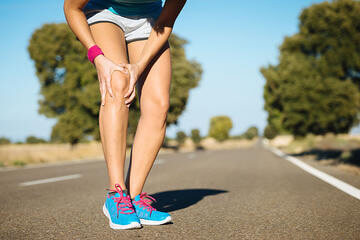
Running. Probably one of the most maligned exercises when it comes to knees and overuse injuries. The thought that running ‘wears’ out your knees and causes osteoarthritis (a chronic disease often associated with joint pain and stiffness, reduced mobility and reduced quality of life) is one of the most common comments I hear as a physiotherapist – typically by non-runners. But do we have it right? Is running actually bad for your knees?

I recently attended the University of Queensland Sports Masters presentation day. The keynote speaker was a Dr Jean-Francois Esculier, a Postdoctoral Fellow at the University of British Columbia on the topics of running and knee osteoarthritis. Originally trained as a physiotherapist, Dr Esculier gave us an excellent overview of his latest research his take on whether or not running is detrimental to knee health.

First, there was an acknowledgement that echoed the sentiments in the opening paragraph. A study in which Dr Esculier undertook attempted to ascertain the perception about running and the knee joint health among the public and health care professionals. The results suggested that many non-runners perceived running as detrimental to knee health. Understandably, with no clear guidelines, health care professionals displayed high rates of uncertainty regarding running as a risk factor to develop knee osteoarthritis (KOA), and about the appropriateness of running with pre-existing KOA [1].

Mid Potion Achilles Tendinopathy Location

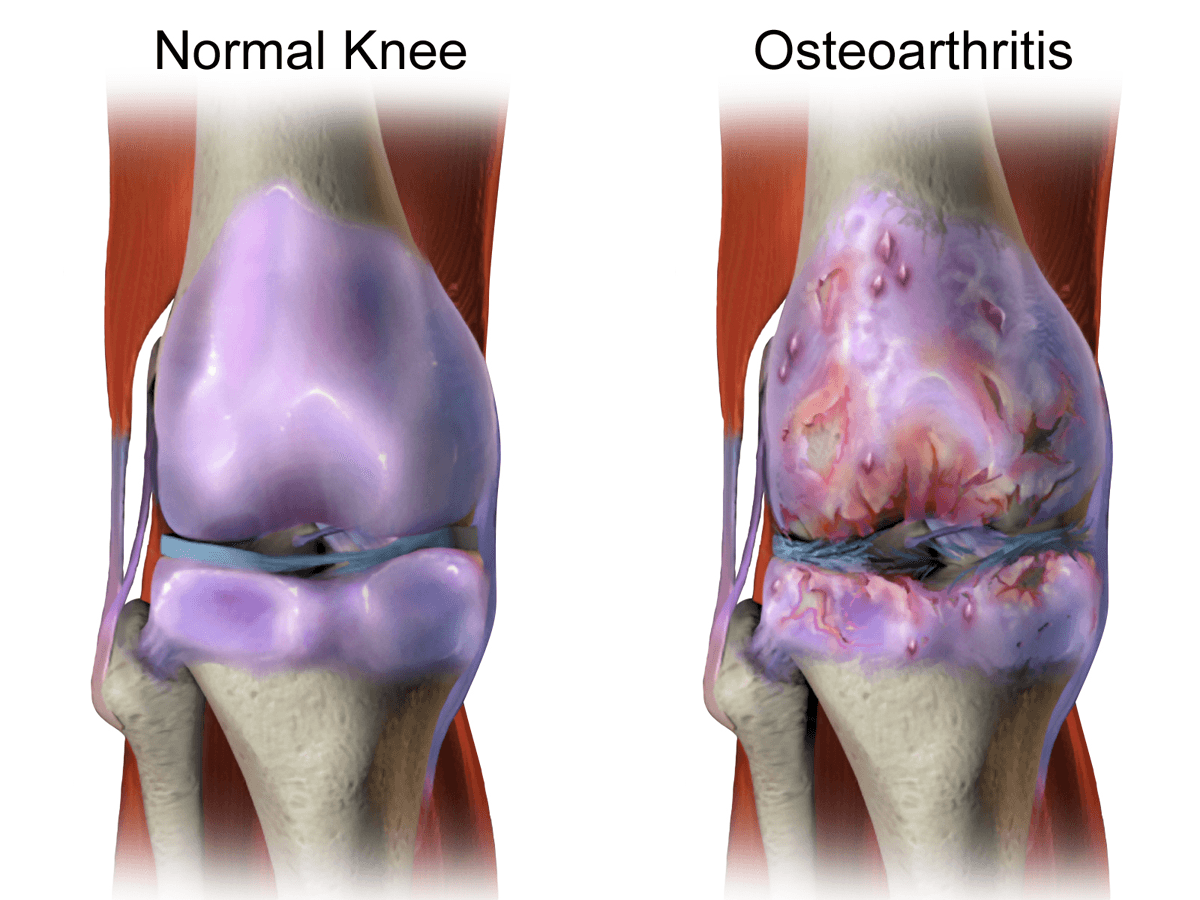
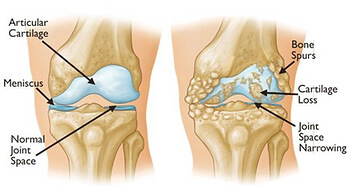
Osteoarthritis often results in cartilage loss, in bone rubbing on bone, which can cause inflammation, pain, stiffness, reduced mobility and reduced quality of life [7].

The paucity of clear training parameters for runners also has a knock on effect with a staggering 75% of runners report being injured whilst running each year with the knee being the most common region of complaint [2]. From my experience as a clinician, the factor that is most often associated with an injury are training errors. Too much too quick. Boom bust. No physical preparation. No listening to your body or allowing adequate recovery time. No periodisation or plan – just run and run.

The remainder of the talk that covered many interesting relatable topics (that will likely be areas for future blogs) but the information that most interested me and should answer the question as to whether running is bad for your knees was the following:

Cartilage change with running:

With the improvements in MRI scanning, more papers are looking at the cartilage volume of knees immediately after a long distance run. According to current evidence [3], cartilage may exhibit short-term decreases in thickness, volume and cartilage water flow (T2 relaxation time) secondary to temporary loss of fluid following repeated compressions associated with running. However, cartilage size tends to return to baseline within hours suggesting that cartilage may well tolerate mechanical loading sustained during running and adapt to repeated exposure.

The response of cartilage to longitudinal load is exactly what Van Ginckel et al [4] investigated. After providing a 10 week “Start To Run” program to novice runners, the reserachers looked at the glycosaminoglycan (GAG) content before and after the running intervention and compared to sedentary controls, who did no running. For those of you (like me) who had no idea what glycosaminoglycan / GAG content is, it is essentially a surrogate marker for cartilage quality (specifically, GAG is an important structural matrix compound in regulating the cartilage tissue’s endosmotic swelling pressure and thus, the tissue’s compressive strength).

The results suggested that a gradually built up running scheme appears to positively effect GAG content, and thus cartilage quality. In fact, running appears to be a chondroprotective effect on the knee when compared to a sedentary lifestyle in a female asymptomatic subjects. The author’s went onto say that running schemes like this might be considered a valuable tool in osteoarthritis prevention strategies [4].

Osteoarthritis (OA) rates in competitive vs recreational vs non-runners:

The body’s ability to adapt to considered and appropriate load is likely explanation as to why when we look at the rates of lower limb osteoarthritis (OA) across the population, we find some interesting results. A systematic review [5] of the literature looked at the association of recreational and competitive running with hip and knee OA. The overall prevalence of hip and knee OA was 13.3% in competitive runners, 3.5% in recreational runners, and 10.2% in controls. Exposure to running of less than 15 years was associated with a lower association with hip and/or knee OA compared with non-runners.

Recreational runners had a lower occurrence of OA compared with competitive runners and controls. These results indicated that a more sedentary lifestyle or long exposure to high-volume and/or high-intensity running are both associated with hip and/or knee OA. However, it was not possible to determine whether these associations were causative or confounded by other risk factors, such as previous injury [5].

SUMMARY

Running appears not to cause osteoarthritis in your knees unless you are a competitive long distance runner. Even then, you are only slightly above the average for non-runners but enjoy the myriad of other benefits that exercise brings. Further, increased mileage in recreational runners appears to be actually protective for your knees and reduces your risk of needing a knee replacement [6]. Caution however must be taken to monitor detailed training parameters such as frequency, speed and distance, so that an optimal dosage for knee joint health tailored to the individual patients with knee osteoarthritis.

So the next time someone tells you that you shouldn’t be running because you’ll get OA, or if your health expert recommends to stop all activity because you have been diagnosed with mild / moderate osteoarthritis of the knee, we can help! As always, we at Praxis are more than happy to help you navigate your way back to performing – whatever that may look like! Give us a call (07) 3102 3337 or book online www.praxisphysio.com.au today

Until next time, Praxis What You Preach

There is no need to accept knee pain as ‘normal’. Call us now on (07) 3102 3337 or book online to have one of our physios develop a plan to reduce your pain and restore your function!

To read more about how running can help your knees (that’s right – running!) check out our related posts on running written by our published principal physio, Stephen.

Team Praxis,

PREVENT | PREPARE | PERFORM