Hamstring Strain Injuries: Lessons from Personal Experience and the Latest Research

Hamstring Strain Injuries: Lessons from Personal Experience and the Latest Research

Recently, in an effort to keep the ballooning effects of the all-you-can-eat buffet at bay during my Cricket Australia Indian tour, I ramped up my high-intensity running load. Things were going splendidly — four days of high-intensity running under my belt — until day five, when 90% of the way through a very intense interval session, I tore my hamstring.

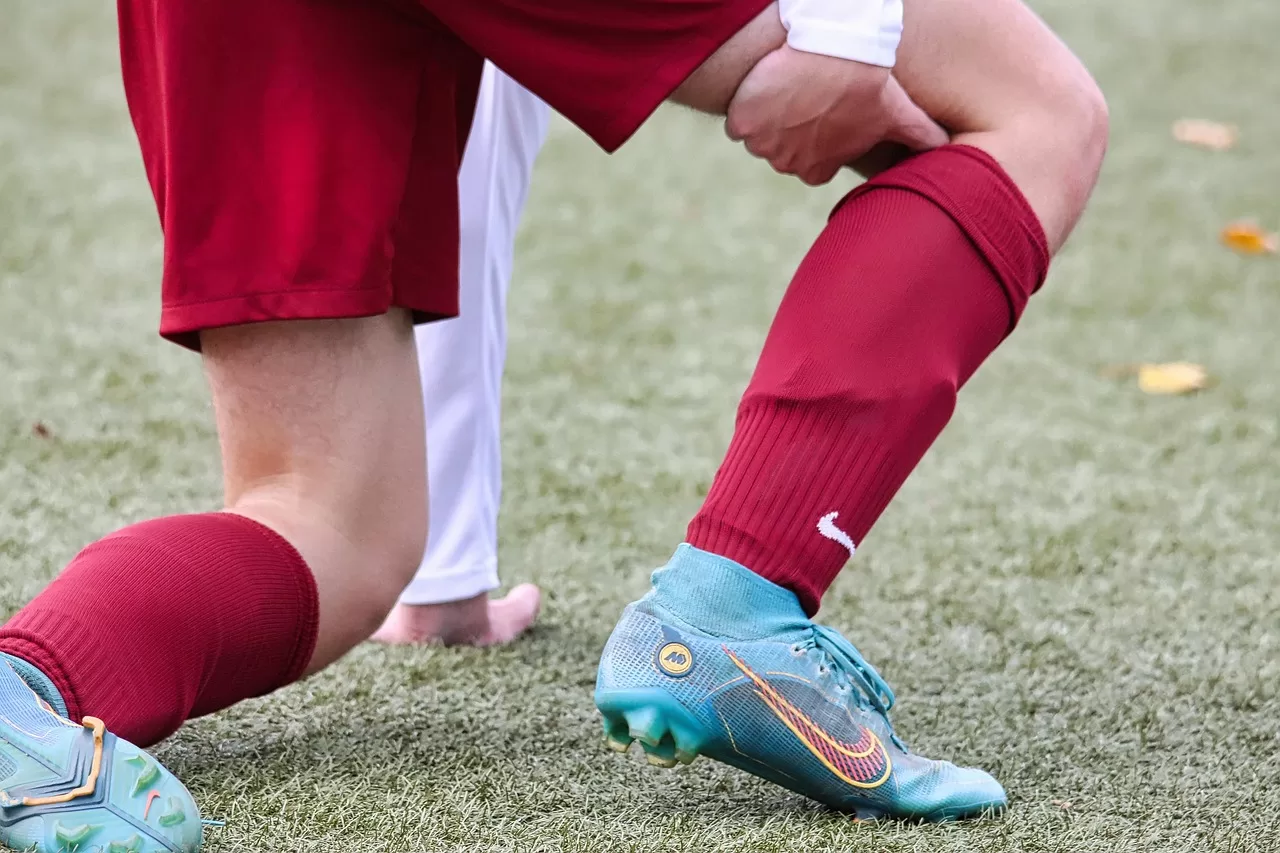
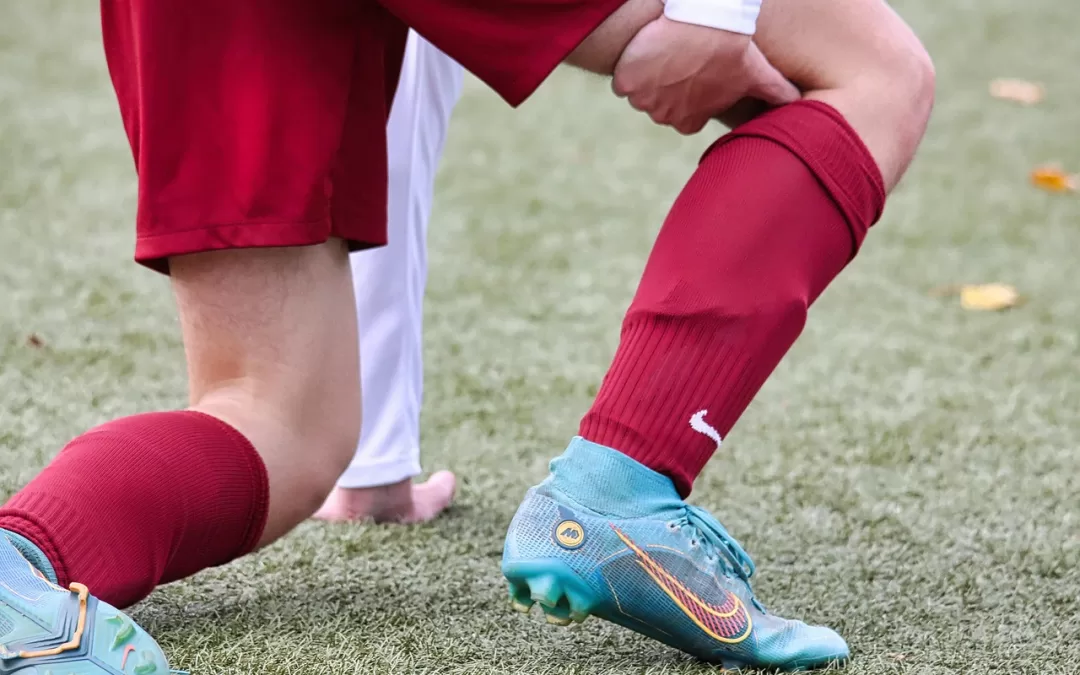
I felt the tell-tale sensation so many of my patients describe: a sharp tearing and retraction sensation in my outer thigh while sprinting. I had to pull up immediately and iced the injury straight away. You’ll be happy to hear that I’ve since fully recovered. No longer ‘gun shy’ at my top speeds (which, admittedly, are not that fast!), my strength has vastly improved, and I’m back running at full capacity.

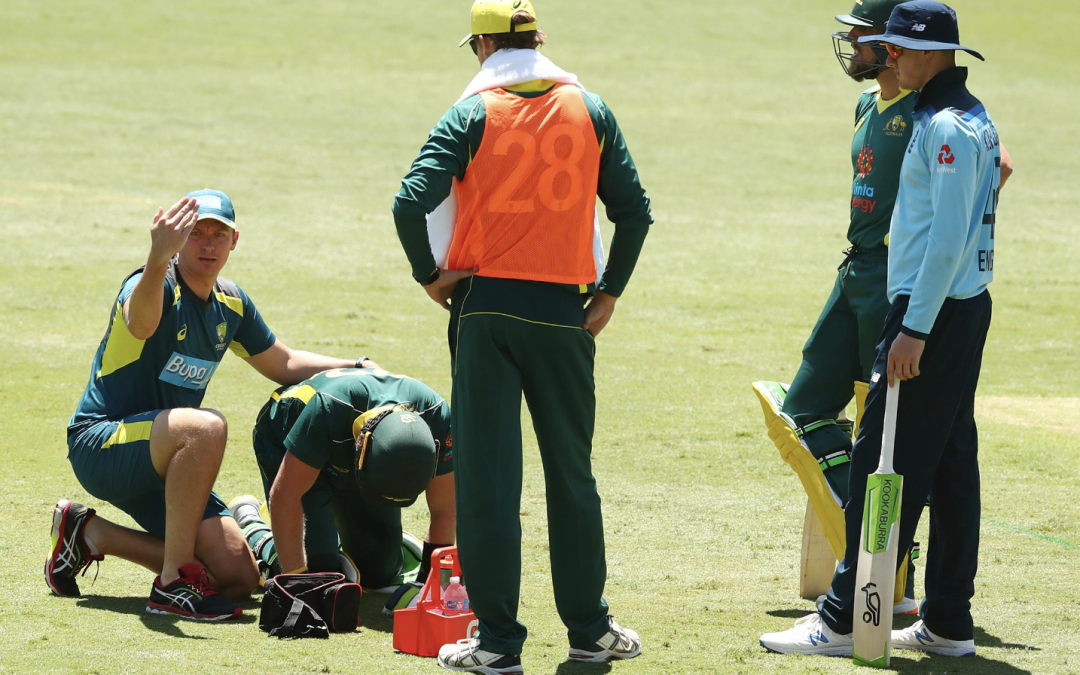
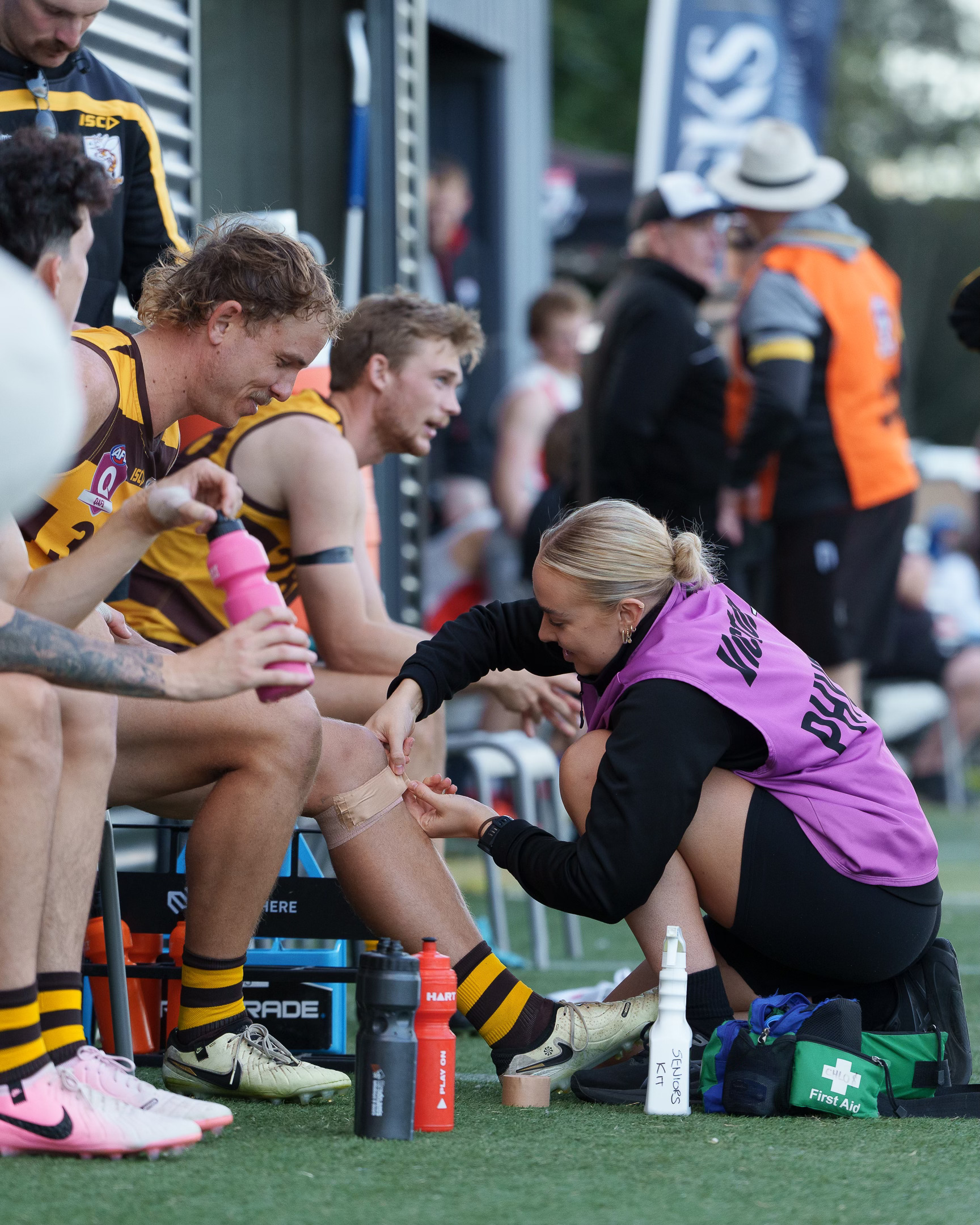
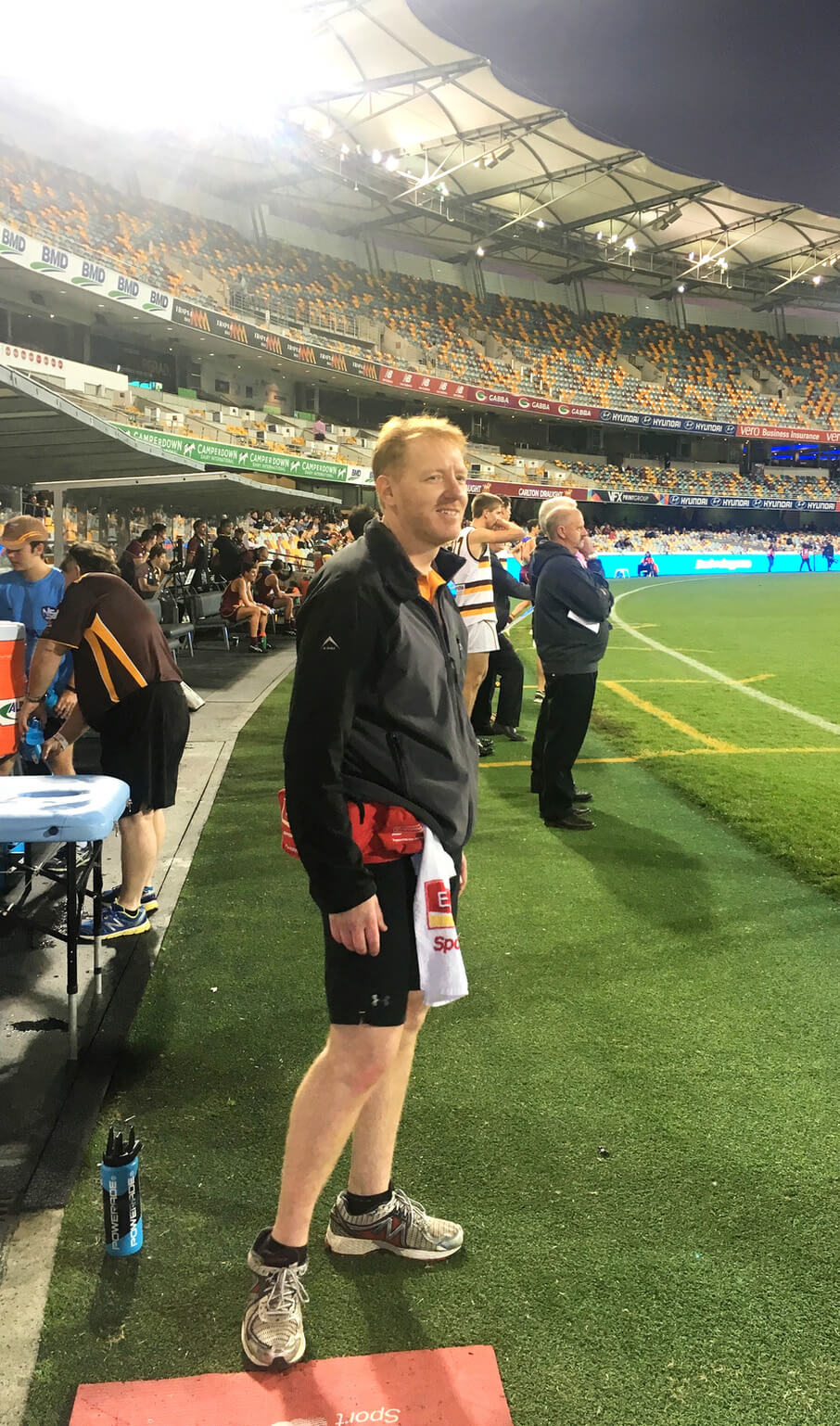
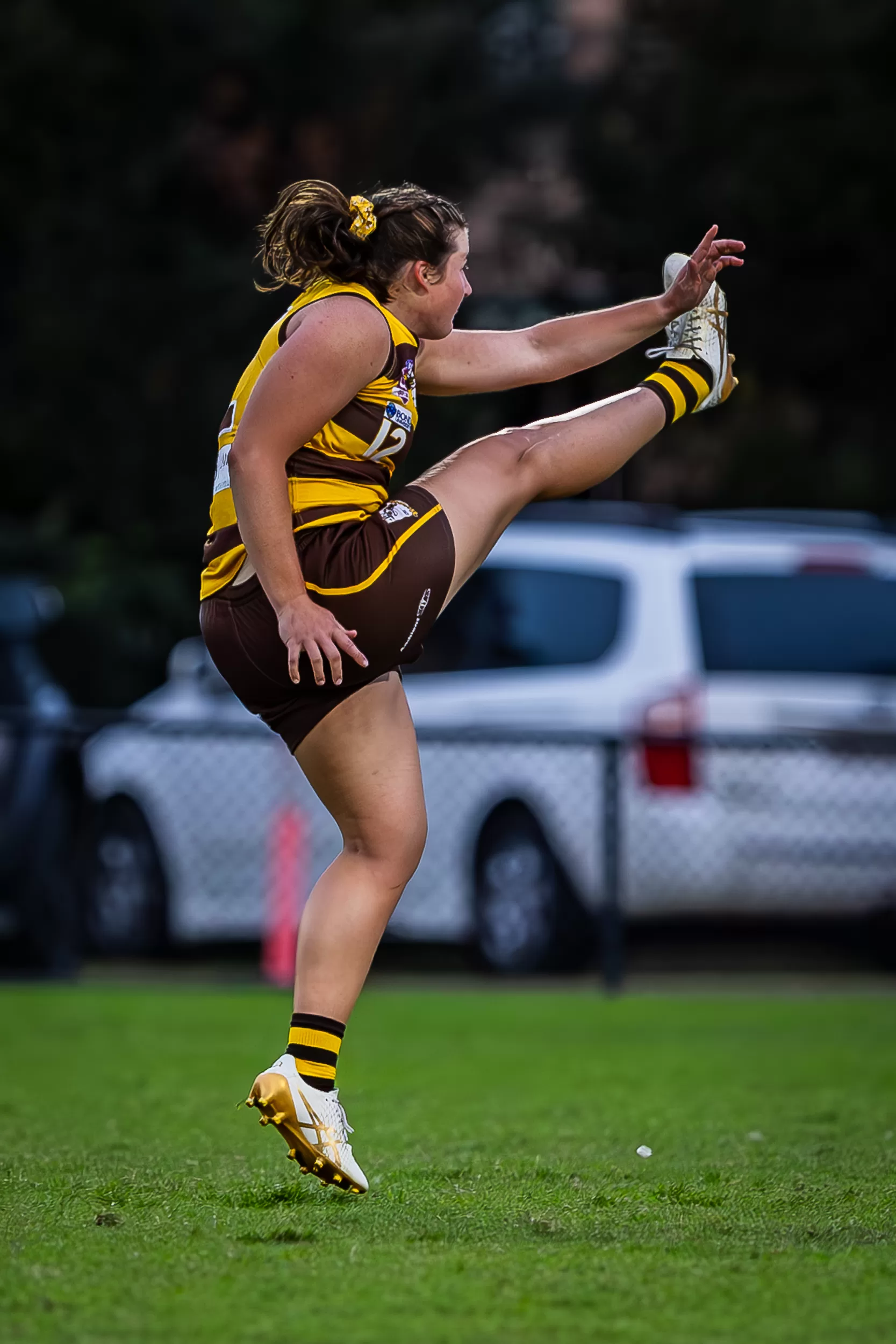
Having treated countless hamstring injuries through my long involvement in recreational, semi-elite, and elite sport — especially with Cricket Australia teams and the Aspley Hornets NEAFL squad — this experience gave me even deeper appreciation for how tricky these injuries can be. Hamstring strains are one of the most common injuries in running athletes, responsible for significant downtime and lost performance. Hamstring injuries have remained the most prevalent injury in professional AFL for the past 21 consecutive seasons (Orchard et al., 2013), with the average 2012 injury costing clubs over $40,000 per player!

Understanding Hamstring Injury Mechanisms

Most hamstring tears occur during the late-swing phase of running, where the hamstring undergoes rapid lengthening while producing high forces (Danielsson et al., 2020). Key risk factors include:

  • High eccentric loading demands.

  • Poor neuromuscular control.

  • Muscle imbalances (particularly hamstrings vs quadriceps).

  • Fatigue — as evidenced by my own injury, occurring late in a demanding session!

Importantly, the long head of biceps femoris is the most commonly injured muscle, partly due to its higher proportion of fast-twitch fibers and its anatomical position under stretch during running (Martin et al., 2022).

Fatigue, poor trunk/pelvic control, and sudden spikes in high-speed running are emerging as significant contributors to hamstring strain risk, particularly in field and court sports (Martin et al., 2022).

Preventing Hamstring Injuries

The good news is, hamstring injuries can often be prevented with smart training. Strengthening the hamstrings through eccentric exercises like Nordic hamstring curls and single-leg Romanian deadlifts has been shown to reduce injury rates significantly (Al Attar et al., 2017; Martin et al., 2022).

Effective prevention programs should also include:

  • Agility and trunk stabilization exercises — not just strength work (Martin et al., 2022).

  • Warm-up routines with dynamic stretching and sport-specific drills.

  • Monitoring high-speed running loads to avoid sudden spikes in intensity.

Addressing muscle imbalances is key too. Maintaining a healthy strength ratio between the quadriceps and hamstrings — and ensuring good trunk and gluteal control — promotes optimal biomechanics and reduces injury risk (Martin et al., 2022).

Recovering Well After a Hamstring Injury

A proper recovery should include:

  • Early management: Controlling swelling and pain with ice and appropriate activity modification.

  • Progressive eccentric strengthening: Integrated carefully to build resilience.

  • Functional rehabilitation: Sprinting drills, agility work, and sport-specific movements are crucial before returning to full play (Martin et al., 2022).

Interestingly, studies show athletes who follow programs that include eccentric training and trunk stability work have lower reinjury rates than those who just focus on basic strength and stretching (de Visser et al., 2012; Martin et al., 2022).

Return-to-play decisions should be made carefully. Factors like strength symmetry, absence of pain, and readiness for high-speed running should all be considered to reduce the risk of reinjury, which can be as high as 30% otherwise (Martin et al., 2022).

Final Thoughts

Even as a physio, my personal hamstring tear was a stark reminder that fatigue, progressive loading, and structured rehab are vital ingredients for both prevention and recovery. Whether you’re a weekend warrior, a professional cricketer, or just trying to beat the buffet, hamstring health is crucial.

If you’d like help strengthening your hamstrings, managing an existing injury, or optimising your running and performance, feel free to reach out. I (and my hamstrings) would be happy to help!

Backed by evidence. Trusted by athletes. Here for every body.

Until next time, Praxis What You Preach

📍 Clinics in Teneriffe, Buranda, and Carseldine

💪 Trusted by athletes. Backed by evidence. Here for everyone.

References

  • Al Attar, W.S.A., et al. (2017). The effectiveness of injury prevention programs in reducing the incidence of hamstring injuries in soccer players: a systematic review and meta-analysis. Journal of Physiotherapy, 63(1), 11–17.

  • Danielsson, B., et al. (2020). Mechanisms of hamstring strain injury: current concepts. Sports Medicine, 50(4), 669–682.

  • Martin, R.L., et al. (2022). Hamstring strain injury in athletes: Clinical Practice Guidelines. Journal of Orthopaedic & Sports Physical Therapy, 52(3), CPG1–CPG44.

  • Orchard, J.W., et al. (2013). AFL Injury Report 2012.

Related Articles

The Single Leg Squat

For those of you who have ever read a research article and thought it was a tough read, i&…

Split Squat vs Squat vs Deadlift: How to tailor your lower body training
The age old question: What’s the best gym activity for my sport? Well – the an…

Chronic Groin Pain (Athletic Pubalgia)

GROIN PAIN Groin pain, referred to also as athletic pubalgia, is a common problem for a nu…
Stress Fractures in Young Cricket Fast bowlers: A persistent challenge

Stress Fractures in Young Cricket Fast bowlers: A persistent challenge

Lumbar stress fractures are one of the most serious and persistent injuries affecting cricket fast bowlers, especially in adolescents. The repetitive, high-load forces of the bowling action place significant strain on the lower back—particularly the L4 and L5 vertebrae—leading to stress fractures in up to 15–30% of elite junior bowlers. While not the most common cricket injury, they are among the most severe, often sidelining players for 3–6 months—much longer than soft tissue injuries like side strains or hamstring tears. Drawing on my years of experience in cricket physiotherapy, I’ll break down the causes, symptoms, treatment, and prevention of this typically season-ending injury.

Causes and Symptoms:

Lumbar stress fractures in fast bowlers are primarily caused by the high volume of repeated lumbar extension, side flexion, and rotation involved in the bowling action—especially during the delivery stride and follow-through. This repetitive mechanical load places excessive stress on the pars interarticularis, a small but critical bony structure in the lower spine. Over time, microtrauma accumulates and can progress to a stress reaction or fracture, particularly in adolescent bowlers whose bones are still maturing and whose core and hip musculature may lack the strength and control to absorb the forces effectively.

Symptoms typically develop gradually and may include deep, localised lower back pain that worsens during or after bowling, along with stiffness, tenderness to palpation over the lumbar spine, and occasionally pain with hyperextension or single-leg loading tasks. Pain is typically on the opposite side of the bowling arm. Early recognition is key, as continuing to bowl through pain may worsen the injury and extend time away from sport.

Diagnosis:

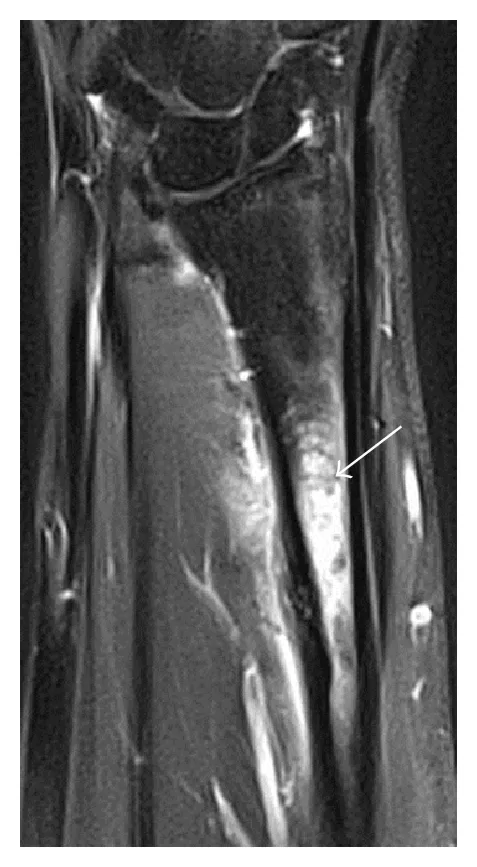
Lumbar stress fractures are best diagnosed through a combination of clinical assessment and imaging. Clinically, a history of progressive lower back pain in a young fast bowler—particularly pain aggravated by lumbar extension or single-leg loading—is highly suggestive. While plain X-rays are often inconclusive, MRI is the gold standard for early detection. Specifically, THRIVE or VIBE sequences are highly sensitive for identifying bone stress reactions and early pars defects, often before a fracture line is visible. These sequences provide high-resolution, fluid-sensitive imaging that helps detect bone marrow oedema and subtle cortical changes, enabling early intervention before the injury progresses.

Treatment and Rehabilitation:

The management of lumbar stress fractures requires a comprehensive approach. Initially, rest and avoiding activities that exacerbate the pain are essential to allow the bone to heal. A period of complete rest from bowling, coupled with appropriate pain management is usually recommended. A structured rehabilitation program focusing on core stability, flexibility, and strengthening exercises on the lumbar spine, pelvis and lower limbs is crucial for a safe return to bowling. Once a players has reestablished the requisite physical attributes, a graduated bowling plan is established.

Typically, the timeframes vary but follow this timeline

  • Phase 1: Protection & Pain Control – Weeks 0–4 (up to 6 if acute)

  • Phase 2: Early Rehabilitation – Weeks 4–8

  • Phase 3: Progressive Loading – Weeks 8–12

  • Phase 4: Return to Running/Sport Prep – Weeks 12–16

  • Phase 5: Full Return to Sport – ~Weeks 16–20 (or longer for high-load sports)

Prevention Strategies:

Prevention is key in mitigating the risk of lumbar stress fractures. Fast bowlers should maintain a balanced training regime that includes multi-joint strength training, flexibility exercises, and proper warm-up and cool-down routines. Regular monitoring of workload and ensuring adequate recovery time between bowling spells can also minimize the likelihood of injury. Of particular note, is avoiding back to back days of fast bowling in adolescent cricketers.

In summary, lumbar stress fractures pose a significant challenge to cricket fast bowlers, especially those in their teen years or as they transition to junior cricket to senior cricket. A diagnosis typically requires extensive time away from bowling and requires a targeted rehabilitation plan and a cautious return to the sport. By understanding the causes, recognising the symptoms, and implementing effective prevention and strengthening strategies, bowlers can continue to bowl fast and trouble the batsmen down the other end!

If you wanting to minimise your risk of a stress fracture, or think you may have one, feel free to consult with one of our expert physiotherapists, well versed in the cricket literature.

Until next time, Praxis What You Preach

📍 Clinics in Teneriffe, Buranda, and Carseldine

💪 Trusted by athletes. Backed by evidence. Here for everyone.

About the author. Stephen is an experienced Cricket Physiotherapist having spent 15 years working in elite and semi-elite cricket. He was fortunate enough to have Dr Marc Portus as his mentor early on in his career. Dr Portus is an authority on stress fractures in fast bowlers having completed his PhD in the area and helped shape modern day workload parameters. Stephen’s particular area of interest is in the high performance pathways (U16-U20’s) cricket where stress fractures are often first experienced before professional senior cricket.

To read more about Stephen or book, click here

Related Articles

Strong Bones, Strong Runner: Understanding and Treating Stress Fractures

Stress fractures are one of the most common — and frustrating — injuries in runners. This …

Understanding the “side strain” in cricket fast bowlers: Your guide to rehabilitation

Cricket Side Strains in Fast Bowlers: Causes, Prevention, and Rehabilitation Cricket, a sp…

Shin Splints: Causes, Treatment & How to Get Back to Running Stronger

Key Takeaways Shin splints (MTSS) are an overuse bone stress injury. Training load errors …
Sporting Injuries

Sporting Injuries

Are you a weekend warrior who is plagued by injury or an aspiring athlete trying to find that extra 1% or somewhere in between? We know how frustrating it can sitting on the side lines and not being able to be involved in the things that make you happy. All the Praxis team have (or still do) play sport of some description and understand the anguish that goes hand in hand with injuries. That is why we do what we do!


Photo from the Praxis Physiotherapy Sports Physiotherapy page
Praxis has an expert team who have been fortunate to travel the country and even the world with various sporting teams. Whether it is Stephen with Cricket Australia teams, Cam with the ICONZ Rugby, Zac with Netball or Emma with AFL Praxis has you covered.
Mid Potion Achilles Tendinopathy Location

We separate ourselves from other therapist because we know that specific, personalised and evidence based physiotherapy is the most effective and efficient method to getting you back to what you love doing quicker and better. Combine that with our years of experience in treating all athletes from the elite to the weekend warrior, and there is no sport we can’t help with!

In summary, we believe that specific, personalised and evidence based physiotherapy is the most effective and efficient method in

If you are looking to Prevent future dysfunction, Prepare for your activity and Perform at your best, the Praxis Team has you covered and will get you achieving your goals sooner! See one of expert team members today by giving us a call on (07) 3102 3337  emailing admin@praxisphysio.com.au or booking online.

PREVENT | PREPARE | PERFORM

Until next time, Praxis What You Preach

📍 Clinics in Teneriffe, Buranda, and Carseldine

💪 Trusted by athletes. Backed by evidence. Here for everyone.

Related Articles

Hamstring Strain Injuries: Lessons from Personal Experience and the Latest Research

Discover why hamstring strains are so common in running athletes, including personal insig…

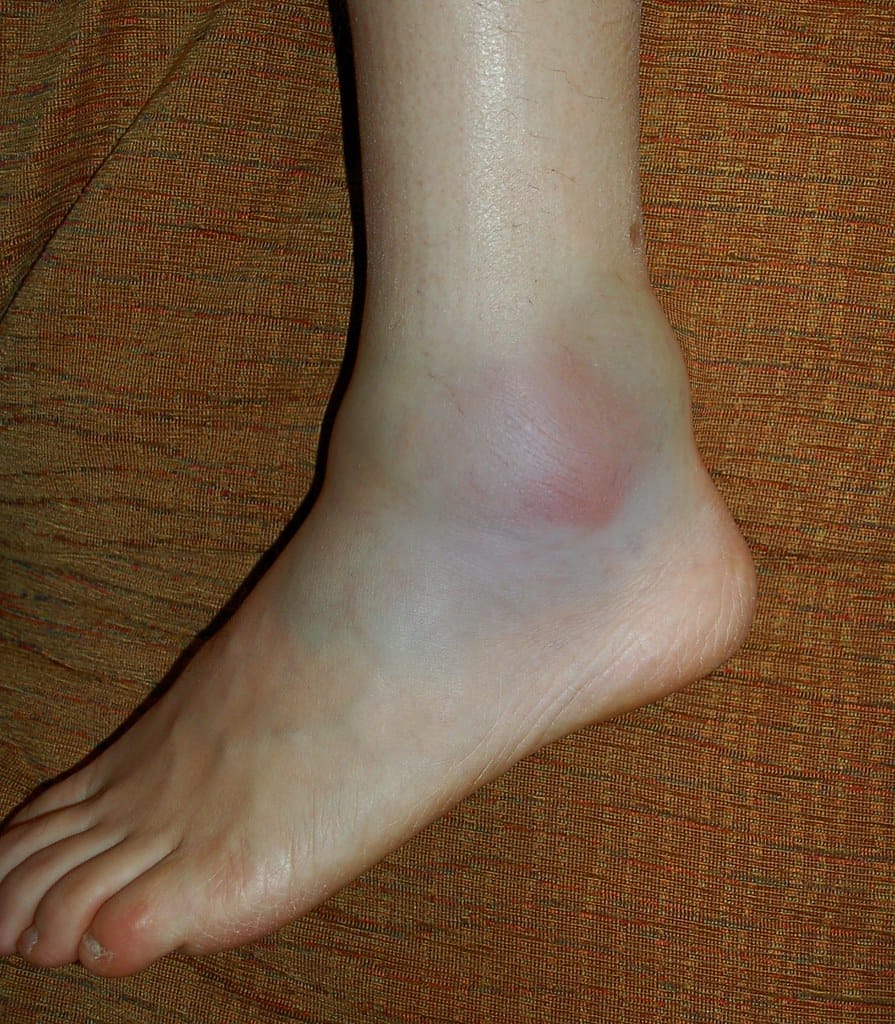
Ankle Sprains: Don’t Let a Simple Injury Turn into a Long-Term Problem

Ankle sprains are among the most common injuries we see at Praxis Physiotherapy. Whether y…

Achilles Tendinopathy: How to treat your Achilles Pain

Today on the Praxis What We Preach blog, where we shed light on Achilles tendinopathy, a c…
Timms on Tour (again)

Timms on Tour (again)

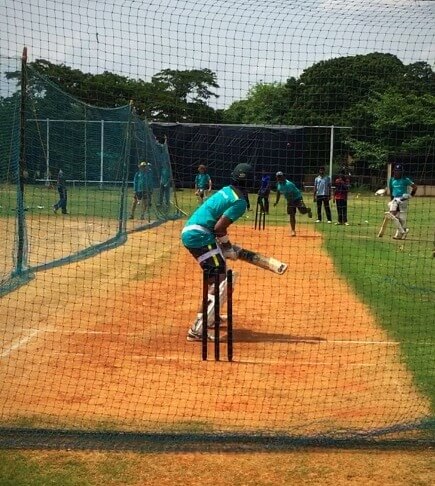
Another month and another Cricket Australia tour it seems for our Praxis Principal, Stephen Timms. Stephen is providing strength, conditioning and physiotherapy support at the training camp to the MRF Academy in Chennai as a part of the National Performance Squad (NPS).

The NPS program was formerly known as the Australian Cricket Academy and the Centre of Excellence. The program is designed to add to the work done within professional state systems, and prepare players capable of competing at international level for Australia within the next five years.

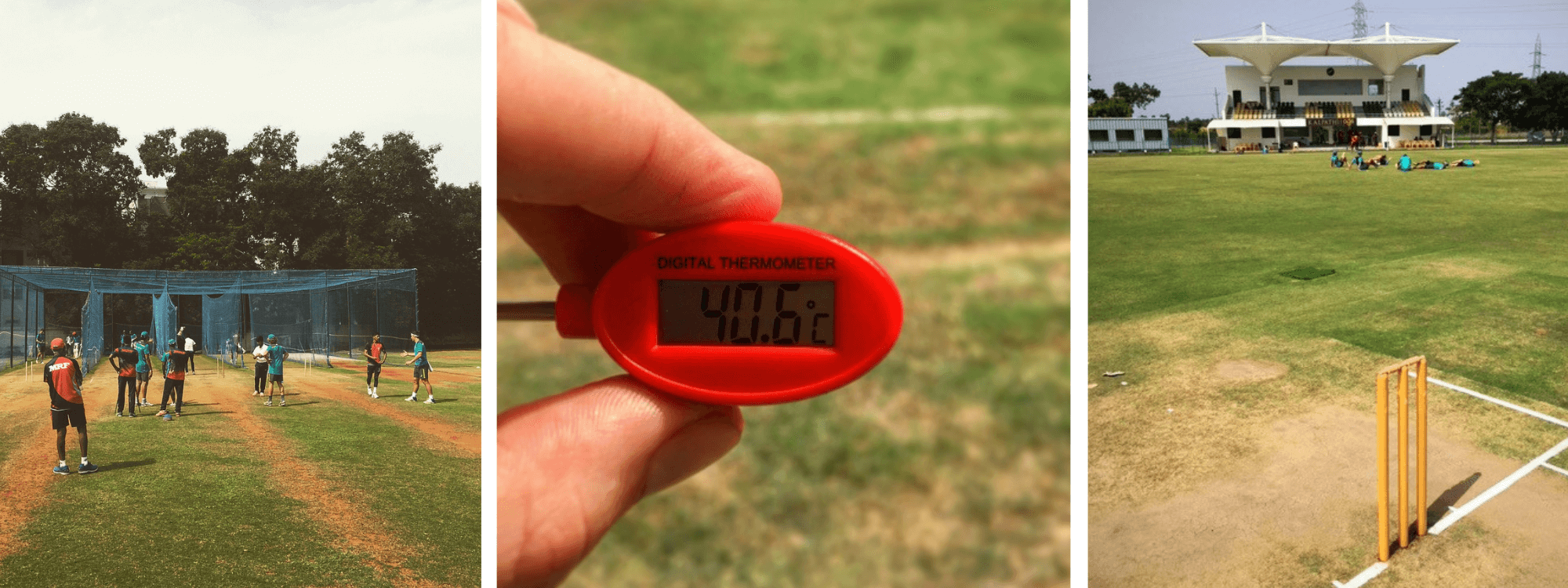
The MRF Academy tour has a strong focus on spin and adapting to subcontinental conditions, which can include oppressive heat and humidity. The NPS will be mentored by former Test players Chris Rogers and Ryan Harris along with NPS head coach Troy Cooley.

The squad typically spends more than three months at the Brisbane based Bupa National Cricket Centre. Here they have access to world class facilities and coaching and utilise the typically dry and sunny Brisbane winters to make the most of the off season program.

Recent graduates of the program who have gone on to play for Australia include Alex Carey, Matthew Renshaw and Hilton Cartwright.

Photo from the Praxis Physiotherapy article: Timms on Tour (again)

Stephen has arrived back in Australia but will continue to service the NPS until the end of a series of interstate games September. He will be back in the clinic around mid September. If you are looking for an appointment before that time, please call our central number (07) 3102 3337 so we can book you in with one of our other skilled therapists.

We are always excited to see Stephen and all our therapists flying the Praxis flag and applying the Prevent Prepare Perform motto in elite sport!

For more details on the program and players selected in the NPS, check out the link to the Cricket Australia website here.

If you are Cricketer and looking to Prevent Perpare Perform, book in online with Stephen or one of our other skilled therapists at Praxis Physiotherapy.

Yours in Health,

The Praxis Team

Prevent. Prepare. Perform.