Chronic Groin Pain (Athletic Pubalgia)

Chronic Groin Pain (Athletic Pubalgia)

GROIN PAIN

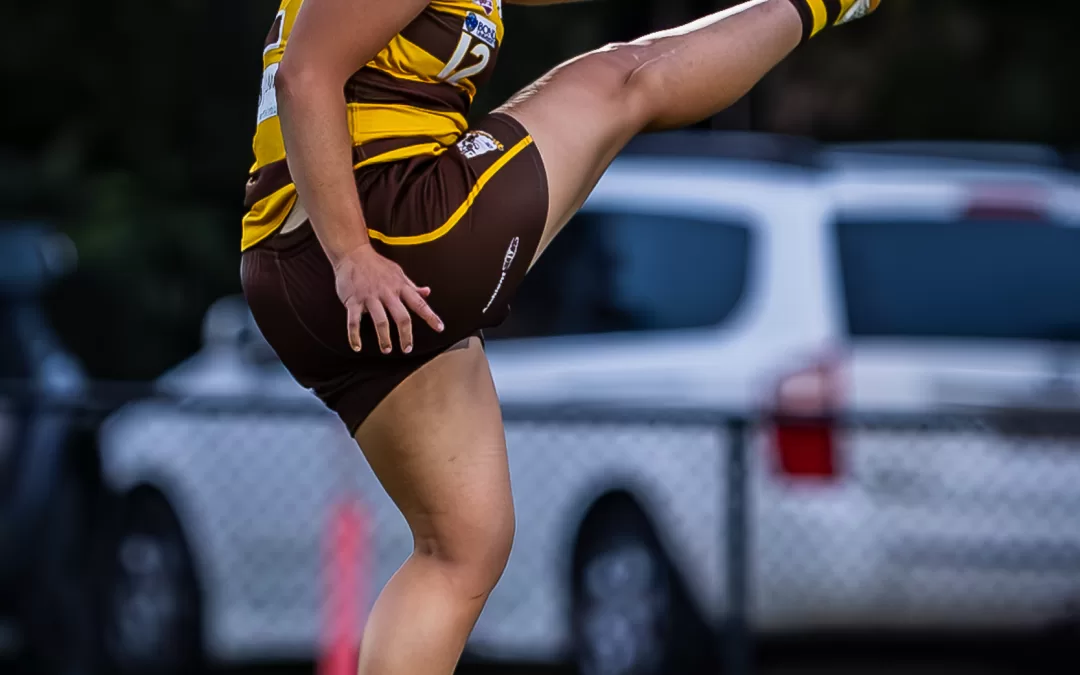
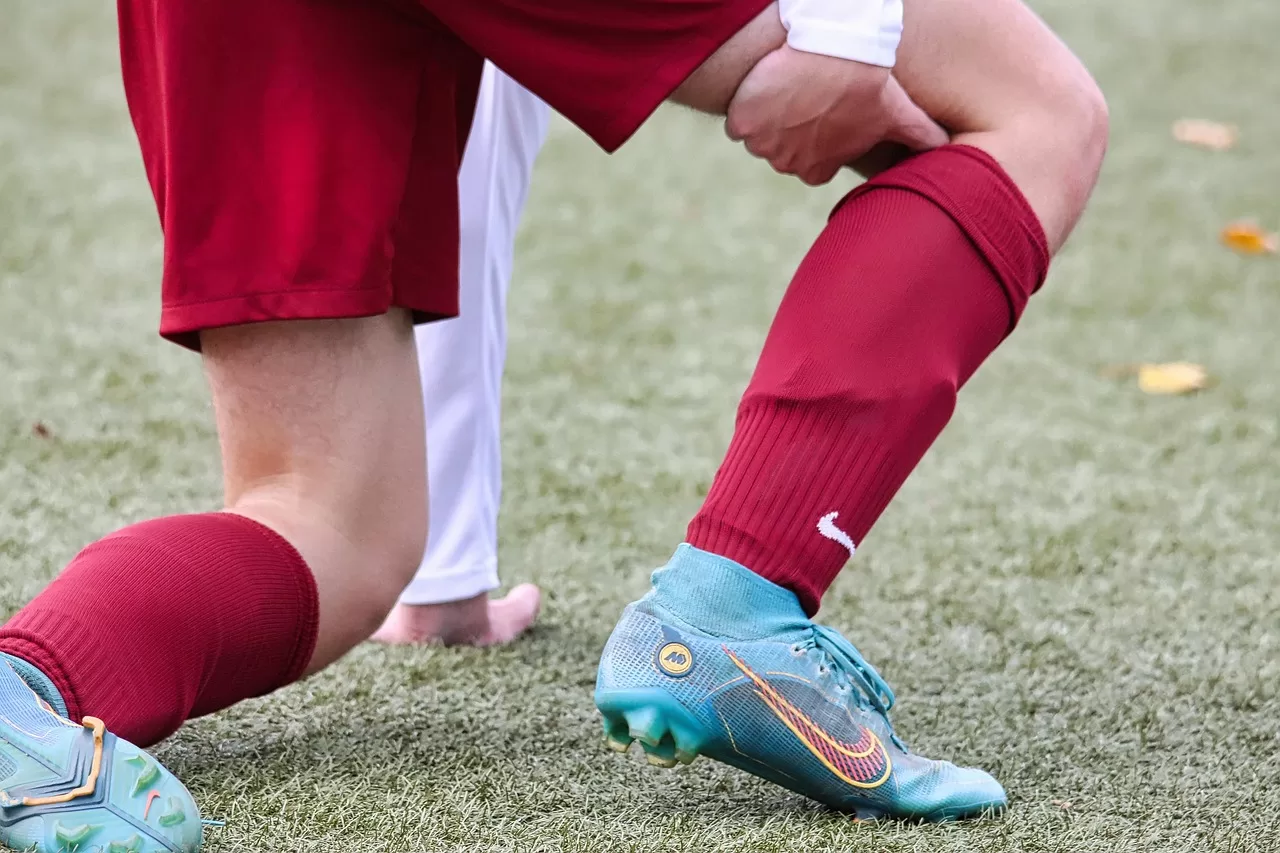
Groin pain, referred to also as athletic pubalgia, is a common problem for a number of athletes, particularly those who engage in sports that require specific use (or overuse) of lower abdominal muscles and the proximal muscles of the thigh. Predominantly, these activities centre around kicking sports such as AFL and soccer, as well as long distance running. Ice hockey is also a well renowned sport in which chronic groin pain occurs. All these sports involve repetitive energetic kicking, twisting, turning or cutting movements, which are all risk factors for causing pubalgia.

SUMMARY:

  • Four structures are commonly implicated in the causes of groin pain
  • Adductor muscles
  • Pubic bone
  • Abdominal wall
  • Iliopsoas
  • Understanding which of these four structures is causing your pain is key in effective management
  • Exercise therapy and activity modifications should be the mainstay of treatment
  • Absolute rest has been shown to be ineffective
  • Steady gradual progressions through strength and function, tailored to your goals, is key to successful management
Mid Potion Achilles Tendinopathy Location

ROLE OF HIP ADDUCTORS (groin muscles)

Similar to other joints in the body, the hip relies on muscular control for stability and movement. At the hip, there are five key planes of movement; flexion, extension, abduction, adduction and rotation.

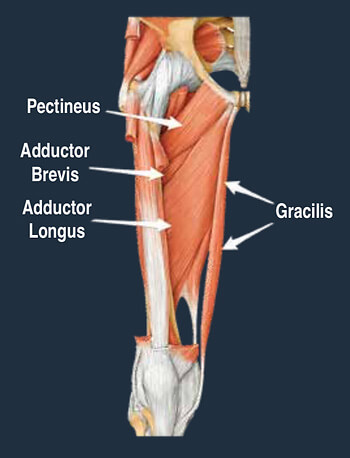
The adductor muscles are a large group of muscles located on the inner side of the thigh, attaching from below the knee, along the shaft of the femur and into the pubic bone of the pelvis.

While acute tears of the adductor muscle is common, more long standing pain is usually the result of an overload of the adductor tendon that attach to the pelvis. This is called an adductor tendinopathy. Adductor enthesopathy is common disorder which effects the bony attachment point of the tendon, with a slight structural difference from tendinopathy, however, management is similar in both cases

MANAGEMENT OPTIONS

Exercise:

Strength and functional based exercise are the core management strategies for adductor tendinopathy, and have been shown to increase function, decrease pain and reduce likelihood of injury [4].

Activity Modification:

Activity modification, especially in the acute phase or when symptoms are significantly affecting function, is key in reducing load on the affected structures and allowing tissues to adapt. [1]

Rest:

While activity modification is important, absolute rest has been shown to be ineffective in the management of adductor tendinopathy, and does not promote adequate tissue repair. [1,2]

Other:

Other conservative measures such as manual therapy, electrotherapy and stretching have been [1] explored, with reduced effect compared exercise prescription. Surgical management is also a potential option, with some positive results emerging for groin pain, though specific evidence [10] around adductor tendinopathy is limited. [10]
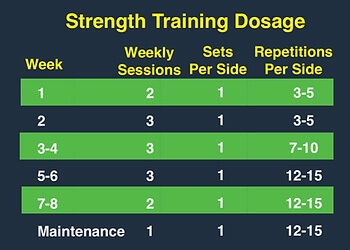
Photo from the Praxis Physiotherapy article: Chronic Groin Pain (Athletic Pubalgia)

WHY IS EXERCISE IMPORTANT?

Exercise has been shown to increase tendon turnover, meaning in the first 24-36 hours there is a reduction in tendon integrity, but after that there is an overall increase in integrity and strength. Other benefits include: increased blood flow, increase in growth factors, and a reduction in altered pain processes in the brain [14].

WHAT’S THE BEST EXERCISE?

Isometric exercise has been shown to be effective in short term pain relief. Current evidence is unclear as to the best long term exercise strategies, with evidence supporting both eccentric and heavy-slow isotonic exercise. [12]
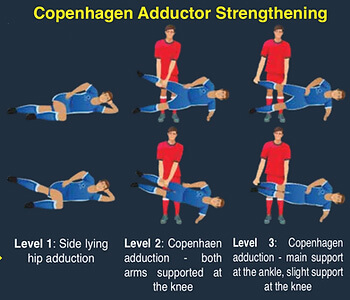
Photo from the Praxis Physiotherapy article: Chronic Groin Pain (Athletic Pubalgia)

EXERCISE PLAN

The Copenhagen Adductor Program [9], with the below dosage, has been shown to significantly improve adductor strength, as well as being effective in groin injury prevention. It is important to note that though the program is eight weeks long, most effective tendon[12] adaptations take ≥ 12 weeks, and a tailored dosage should be discussed with your physiotherapist towards the end stage of rehabilitation.

Depending on how the symptoms affect your function, a reduction in training, running and kicking may also be required. Example progressions are noted below in the running program, in order of loading on adductors.
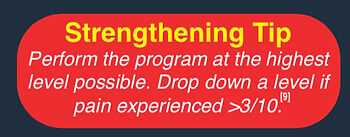
Photo from the Praxis Physiotherapy article: Chronic Groin Pain (Athletic Pubalgia)

ADDITIONAL STRENGTH AND PROGRAMS

While targeted strengthening to the adductors is key, global strengthening around the hip may also aid in a reduction of loading to the tendon. Thorough assessment of your strength through all five movements noted previously is needed, as well as a tailored training program to resolve any discrepancies.

As symptoms reduce and function improves, part practice of painful activities, can be beneficial to reload structures, for example, banded kicking movements in preparation for return to soccer.
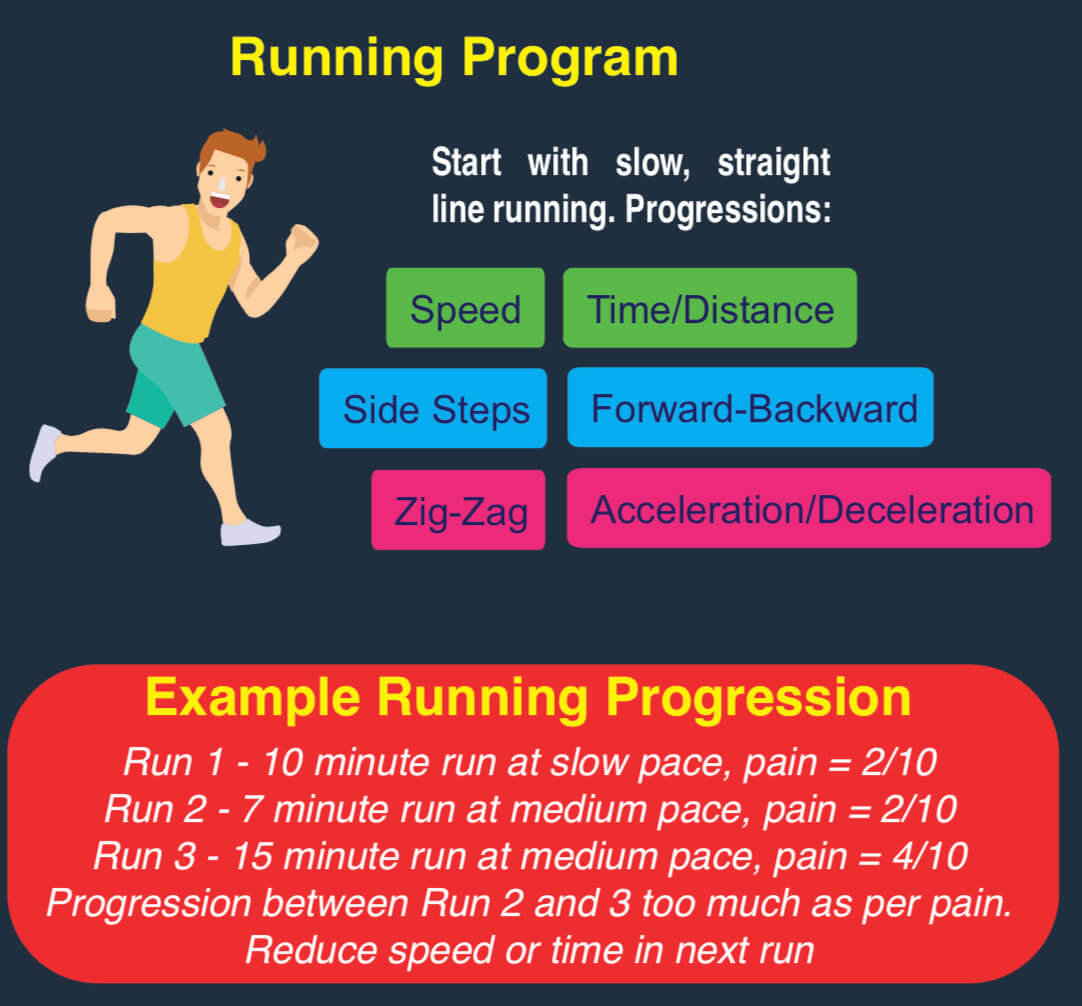
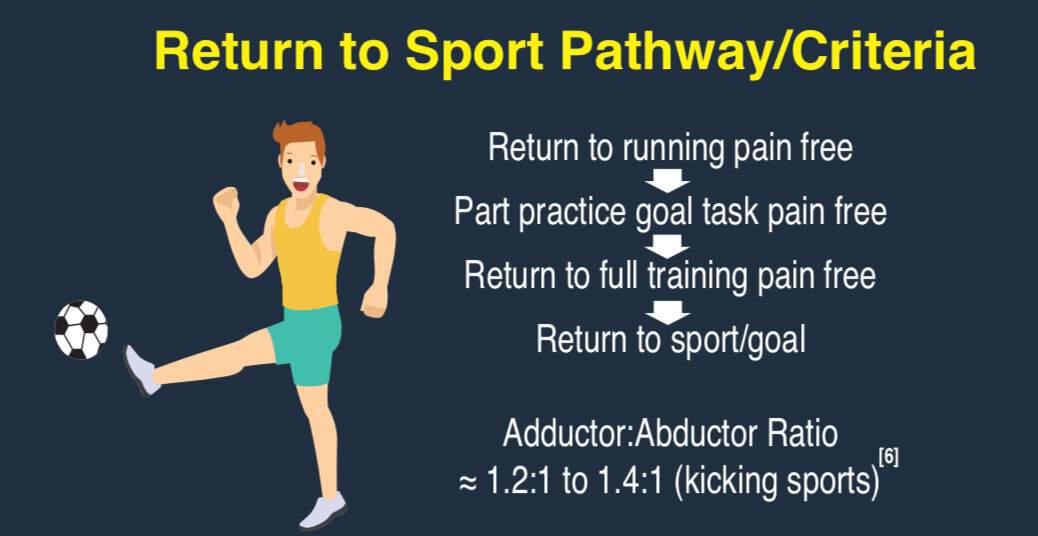
Photo from the Praxis Physiotherapy article: Chronic Groin Pain (Athletic Pubalgia)

SUMMARY

In chronic adductor tendinopathy, tendon adaptations take time. It is important to understand this as you begin your rehab journey and not progress more than your body can tolerate. Steady gradual progressions through strength and function, tailored to your goals, is key to successful management.

As always, if you have a history of groin pain or are concerned about performance in your chosen sport, contact us today and chat to one of our friendly and knowledgeable physiotherapist to ensure you can Prevent. Prepare. Perform. Alternatively you can book online here

Till next time, Praxis what you Preach

📍 Clinics in Teneriffe, Buranda, and Carseldine

💪 Trusted by athletes. Backed by evidence. Here for everyone.

References: 

  1.  Almeida, M.O., et al., Conservative interventions for treating exercise‐related musculotendinous, ligamentous and osseous groin pain. Cochrane Database of Systematic Reviews, 2013(6).
  2. Bohm, S., F. Mersmann, and A. Arampatzis, Human tendon adaptation in response to mechanical loading: a systematic review and meta-analysis of exercise intervention studies on healthy adults. Sports Medicine – Open, 2015. 1(1): p. 7.
  3.  Brukner, P., Brukner & Khan’s clinical sports medicine / Peter Brukner … [et al.]. Sports medicine series, ed. K. Khan. 2012, North Ryde, N.S.W: McGraw-Hill Australia.
  4. Charlton, P.C., et al., Exercise Interventions for the Prevention and Treatment of Groin Pain and Injury in Athletes: A Critical and Systematic Review. Sports Med, 2017. 47(10): p. 2011-2026.
  5. Frizziero, A., et al., The role of eccentric exercise in sport injuries rehabilitation. Br Med Bull, 2014. 110(1): p. 47-75.
  6. Griffin, V.C., T. Everett, and I.G. Horsley, A comparison of hip adduction to abduction strength ratios, in the dominant and non-dominant limb, of elite academy football players. Journal of Biomedical Engineering and Informatics, 2015. 2(1): p. 109.
  7. Haroy, J., et al., The Adductor Strengthening Programme prevents groin problems among male football players: a cluster-randomised controlled trial. Br J Sports Med, 2019. 53(3): p. 150-157.
  8. Harøy, J., et al., Infographic. The Adductor Strengthening Programme prevents groin problems among male football players. British Journal of Sports Medicine, 2019. 53(1): p. 45.
  9. Haroy, J., et al., Including the Copenhagen Adduction Exercise in the FIFA 11+ Provides Missing Eccentric Hip Adduction Strength Effect in Male Soccer Players: A Randomized Controlled Trial. Am J Sports Med, 2017. 45(13): p. 3052-3059.
  10. Jorgensen, S.G., S. Oberg, and J. Rosenberg, Treatment of longstanding groin pain: a systematic review. Hernia, 2019.
  11. Kohavi, B., et al., Effectiveness of Field-Based Resistance Training Protocols on Hip Muscle Strength Among Young Elite Football Players. Clin J Sport Med, 2018.
  12. Lim, H.Y. and S.H. Wong, Effects of isometric, eccentric, or heavy slow resistance exercises on pain and function in individuals with patellar tendinopathy: A systematic review. Physiother Res Int, 2018. 23(4): p. e1721.
  13. Machotka, Z., S. Kumar, and L.G. Perraton, A systematic review of the literature on the effectiveness of exercise therapy for groin pain in athletes. Sports Med Arthrosc Rehabil Ther Technol, 2009. 1(1): p. 5.
  14. Magnusson, S.P., H. Langberg, and M. Kjaer, The pathogenesis of tendinopathy: balancing the response to loading. Nat Rev Rheumatol, 2010. 6(5): p. 262-8.
  15. Rio, E., et al., Tendon neuroplastic training: changing the way we think about tendon rehabilitation: a narrative review. British Journal of Sports Medicine, 2016. 50(4): p. 209.
  16. Thorborg, K., et al., The Copenhagen Hip and Groin Outcome Score (HAGOS): development and validation according to the COSMIN checklist. Br J Sports Med, 2011. 45(6): p. 478-91.
  17. Wei, A.S., et al., The effect of corticosteroid on collagen expression in injured rotator cuff tendon. The Journal of bone and joint surgery. American volume, 2006. 88(6): p. 1331-1338.

Related Articles
Hamstring Strain Injuries: Lessons from Personal Experience and the Latest Research

Discover why hamstring strains are so common in running athletes, including personal insig…

Kicking Goals! Praxis looks at AFL kicking mechanics
KICKING As per usual the Praxis team delved into an area of clinical interest to better un…

Split Squat vs Squat vs Deadlift: How to tailor your lower body training

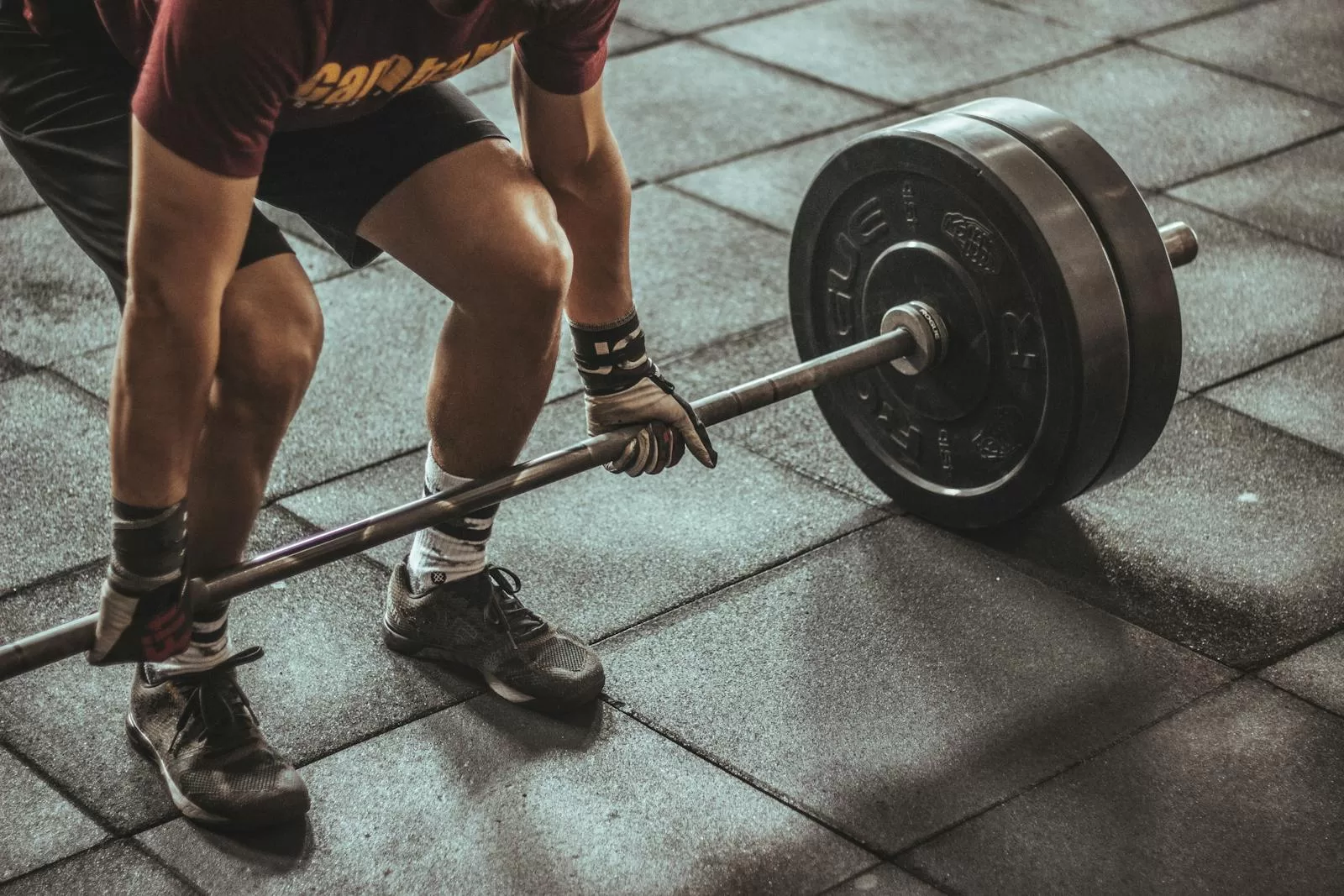
The age old question: What’s the best gym activity for my sport? Well – the an…
Pilates: Reforming our back pain rehabilitation (Part 1 of 3)

Pilates: Reforming our back pain rehabilitation (Part 1 of 3)

With our 30 day pilates challenge starting today, we thought we would take a look at why we love pilates so much for our patients, and what some of the benefits are. Part 1 looks at how pilates affect those with chronic lower back pain. Part 2 looks at the difference between mat and reformer pilates and part 3 looks at how often is required to see the benefit of pilates.

SUMMARY:

  • Back pain is extremely common, multifactorial, and often reoccurs
  • Strengthening interventions appear better for long term suffers of lower back pain
  • Pilates has been shown to improve muscular strength and endurance of key pelvic and postural musculature associated with lower back pain
  • Specifically, pilates promotes the restoration of the function of muscles involved in lumbopelvic stabilisation, that is, transversus abdominis, multifidus, diaphragm and pelvic floor muscles
  • As little as 2 sessions per week for 6 weeks has been shown to see improvements in pain and function for those with longstanding lower back pain, even after stopping pilates

Chronic low back pain (CLBP) is one of the commonest musculoskeletal problems in modern society (Anderson 1999) and is a highly prevalent in both the sporting and general public. CLBP is experienced by 70%–80% of adults at some time in their lives (Crombez et al 1999) and as such, the costs associated with LBP and related disability are enormous, causing a major economic burden for patients, governments and health insurance companies (Dagenais 2008).

Lower back pain has been one of the most extensively studied musculoskeletal conditions as a result of the prevalence and debilitation nature. Its management comprises a range of different intervention strategies including surgery, drug therapy and non-medical intervention like rehabilitation (Paolucci et al 2018). Within Physiotherapy, exercise therapy is probably the most commonly used intervention for the treatment of patients with chronic non-specific LBP due to its plausible biological rationale and low cost.

Whilst general conditioning programs to train strength and endurance of the spine musculature have been shown to reduce pain intensity and disability (Rainville et al 2004), the popularity of pilates (both mat and reformer) has helped provide an accessible and supervised form of therapeutic exercise.

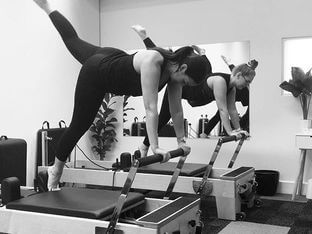
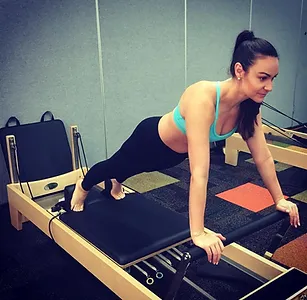
Photo from the Praxis Physiotherapy article: Pilates: Reforming our back pain rehabilitation (Part 1 of 3)

EVIDENCE FOR PILATES

The Pilates method, using functional exercises aims to improve muscular strength and endurance. Specifically, the pilates method have promotes the restoration of the function of muscles involved in lumbopelvic stabilisation, that is, transversus abdominis, multifidus, diaphragm and pelvic floor muscles. Using the principles of progressive overload, your body adapts to the incremental loading week after week and consequently results important postural control improvement. In 2009, Curnow and colleagues showed that the Pilates method improves load transfer through the pelvis, something that intuitively helps those with CLBP.

However, a systematic review (Patti et al 2015) reported evidence that Pilates method-based exercises are more effective than no treatment or minimal physical exercise interventions in the management of chronic nonspecific LBP. Further, they pointed out that the effects of the Pilates method are only proven for patients with chronic nonspecific LBP in the short term.

A recent study by Natour and colleagues (2015) showed that the group of participants that were practicing Pilates method resulted statistically better compared with the a non exercising group who only used inflammatory medication. Those who were in the pilates group used less pain medication at 45, 90 (conclusion of the Pilates method), and 180 days, 90 days after the conclusion of the exercise program.

In conclusion, Pilates as an exercise choice is more effective than minimal physical exercise or drug based interventions in reducing pain and disability in the short-term period. There is agreement that exercise “helps” in the treatment of chronic pain, but it is still not clear exactly which factors or particular kind of exercises may be responsible of such improvements (Natour et al 2015; Patti et al 2015). Praxis Physiotherapy has always been a strong proponent of movement and loading early in rehabilitation (more on this in later blogs!).

In the next instalment, we discuss the difference between mat and reformer pilates and perhaps find some more answers regarding which exercise regime reigns supreme!

Check out all our other reformer pilates services on our website

Until next time,

Until next time, Praxis What You Preach

📍 Clinics in Teneriffe, Buranda, and Carseldine

💪 Trusted by athletes. Backed by evidence. Here for everyone.

References:

  1. Andersson GB. Epidemiological features of chronic low-back pain. Lancet. 1999;354(91789178):581–585.
  2. Crombez G, Vlaeyen JW, Heuts PH, Lysens R, Crombez G. Pain-related fear is more disabling than pain itself: evidence on the role of pain-related fear in chronic back pain disability. Pain. 1999;80(1-2):329–339.
  3. Dagenais DC, Caro J, Haldeman S. A systematic review of low back pain cost of illness studies in the United States and internationally. The Spine Journal 2008;8(1):8‐20.
  4. Paolucci, T., Attanasi, C., Cecchini, W., Marazzi, A., Capobianco, S. V., & Santilli, V. (2019). Chronic low back pain and postural rehabilitation exercise: a literature review. Journal of pain research, 12, 95.
  5. Rainville J, Hartigan C, Martinez E, Limke J, Jouve C, Finno M. Exercise as a treatment for chronic low back pain. Spine J. 2004;4:106-115
  6. Patti, A., Bianco, A., Paoli, A., Messina, G., Montalto, M. A., Bellafiore, M., … & Palma, A. (2015). Effects of Pilates exercise programs in people with chronic low back pain: a systematic review. Medicine, 94(4).
  7. Curnow, D., Cobbin, D., Wyndham, J., & Choy, S. B. (2009). Altered motor control, posture and the Pilates method of exercise prescription. Journal of bodywork and movement therapies, 13(1), 104-111.
  8. Natour, J., Cazotti, L. D. A., Ribeiro, L. H., Baptista, A. S., & Jones, A. (2015). Pilates improves pain, function and quality of life in patients with chronic low back pain: a randomized controlled trial. Clinical rehabilitation, 29(1), 59-68.

Related Articles

Pilates: Mat vs Reformer Pilates (Part 2 of 3)

In part one, we unearthed that pilates has a role to play in reducing the severity of chro…

Pilates & Back Pain Rehab (Part 3 of 3): How Much Is Enough?

In Part 3 of our Pilates series, we explore how reformer-based Pilates can transition from…

Fact or Fiction Friday – Lower back Pain and MRI’s

I need to get an MRI to help with the management of my lower back pain Answer – FICT…
Is running bad for your knees?

Is running bad for your knees?

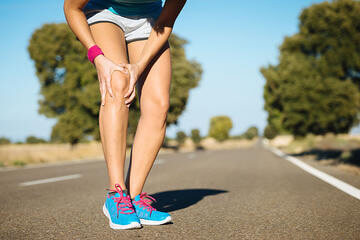
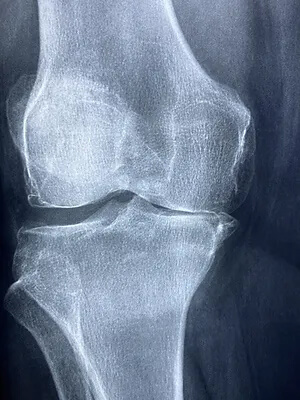
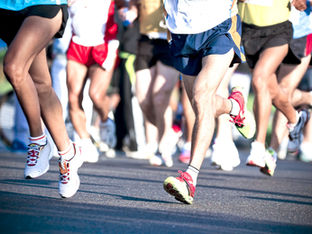
Running. Probably one of the most maligned exercises when it comes to knees and overuse injuries. The thought that running ‘wears’ out your knees and causes osteoarthritis (a chronic disease often associated with joint pain and stiffness, reduced mobility and reduced quality of life) is one of the most common comments I hear as a physiotherapist – typically by non-runners. But do we have it right? Is running actually bad for your knees?

I recently attended the University of Queensland Sports Masters presentation day. The keynote speaker was a Dr Jean-Francois Esculier, a Postdoctoral Fellow at the University of British Columbia on the topics of running and knee osteoarthritis. Originally trained as a physiotherapist, Dr Esculier gave us an excellent overview of his latest research his take on whether or not running is detrimental to knee health.

First, there was an acknowledgement that echoed the sentiments in the opening paragraph. A study in which Dr Esculier undertook attempted to ascertain the perception about running and the knee joint health among the public and health care professionals. The results suggested that many non-runners perceived running as detrimental to knee health. Understandably, with no clear guidelines, health care professionals displayed high rates of uncertainty regarding running as a risk factor to develop knee osteoarthritis (KOA), and about the appropriateness of running with pre-existing KOA [1].

Mid Potion Achilles Tendinopathy Location

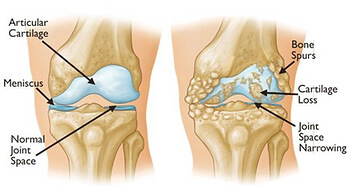
Osteoarthritis often results in cartilage loss, in bone rubbing on bone, which can cause inflammation, pain, stiffness, reduced mobility and reduced quality of life [7].

The paucity of clear training parameters for runners also has a knock on effect with a staggering 75% of runners report being injured whilst running each year with the knee being the most common region of complaint [2]. From my experience as a clinician, the factor that is most often associated with an injury are training errors. Too much too quick. Boom bust. No physical preparation. No listening to your body or allowing adequate recovery time. No periodisation or plan – just run and run.

The remainder of the talk that covered many interesting relatable topics (that will likely be areas for future blogs) but the information that most interested me and should answer the question as to whether running is bad for your knees was the following:

Cartilage change with running:

With the improvements in MRI scanning, more papers are looking at the cartilage volume of knees immediately after a long distance run. According to current evidence [3], cartilage may exhibit short-term decreases in thickness, volume and cartilage water flow (T2 relaxation time) secondary to temporary loss of fluid following repeated compressions associated with running. However, cartilage size tends to return to baseline within hours suggesting that cartilage may well tolerate mechanical loading sustained during running and adapt to repeated exposure.

The response of cartilage to longitudinal load is exactly what Van Ginckel et al [4] investigated. After providing a 10 week “Start To Run” program to novice runners, the reserachers looked at the glycosaminoglycan (GAG) content before and after the running intervention and compared to sedentary controls, who did no running. For those of you (like me) who had no idea what glycosaminoglycan / GAG content is, it is essentially a surrogate marker for cartilage quality (specifically, GAG is an important structural matrix compound in regulating the cartilage tissue’s endosmotic swelling pressure and thus, the tissue’s compressive strength).

The results suggested that a gradually built up running scheme appears to positively effect GAG content, and thus cartilage quality. In fact, running appears to be a chondroprotective effect on the knee when compared to a sedentary lifestyle in a female asymptomatic subjects. The author’s went onto say that running schemes like this might be considered a valuable tool in osteoarthritis prevention strategies [4].

Photo from the Praxis Physiotherapy article: Is running bad for your knees?

Osteoarthritis (OA) rates in competitive vs recreational vs non-runners:

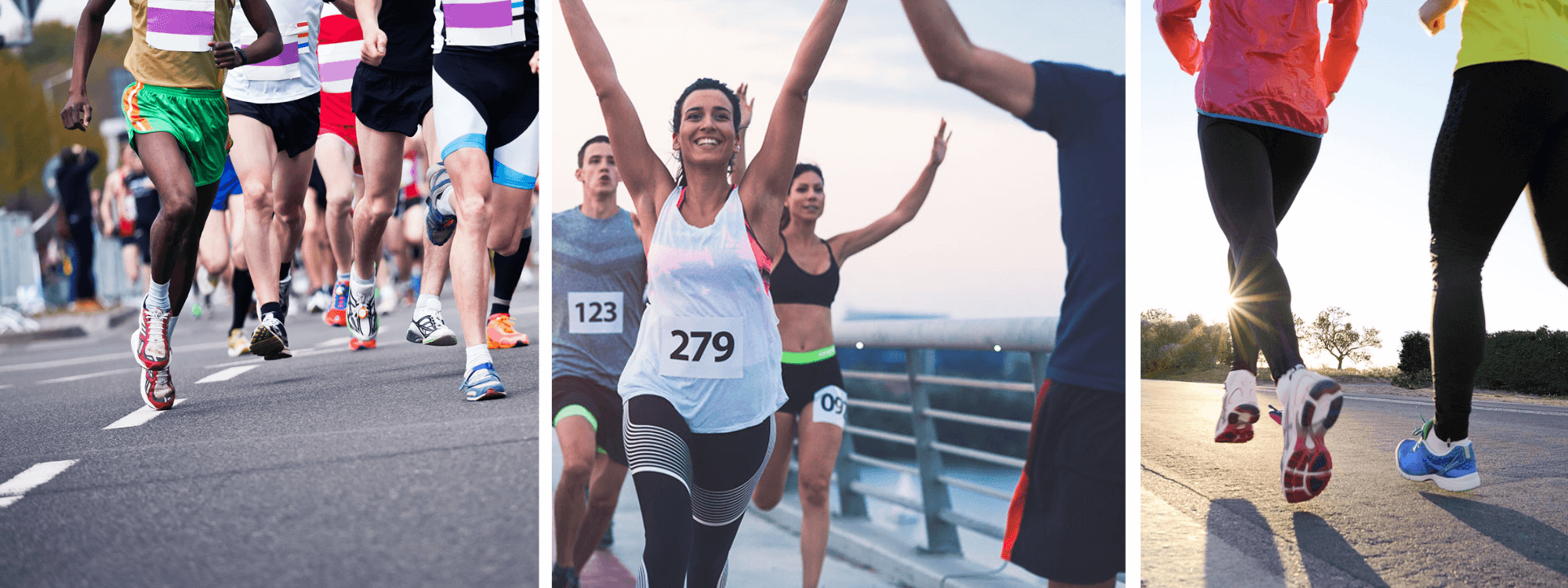
The body’s ability to adapt to considered and appropriate load is likely explanation as to why when we look at the rates of lower limb osteoarthritis (OA) across the population, we find some interesting results. A systematic review [5] of the literature looked at the association of recreational and competitive running with hip and knee OA. The overall prevalence of hip and knee OA was 13.3% in competitive runners, 3.5% in recreational runners, and 10.2% in controls. Exposure to running of less than 15 years was associated with a lower association with hip and/or knee OA compared with non-runners.

Recreational runners had a lower occurrence of OA compared with competitive runners and controls. These results indicated that a more sedentary lifestyle or long exposure to high-volume and/or high-intensity running are both associated with hip and/or knee OA. However, it was not possible to determine whether these associations were causative or confounded by other risk factors, such as previous injury [5].

SUMMARY

Running appears not to cause osteoarthritis in your knees unless you are a competitive long distance runner. Even then, you are only slightly above the average for non-runners but enjoy the myriad of other benefits that exercise brings. Further, increased mileage in recreational runners appears to be actually protective for your knees and reduces your risk of needing a knee replacement [6]. Caution however must be taken to monitor detailed training parameters such as frequency, speed and distance, so that an optimal dosage for knee joint health tailored to the individual patients with knee osteoarthritis.

So the next time someone tells you that you shouldn’t be running because you’ll get OA, or if your health expert recommends to stop all activity because you have been diagnosed with mild / moderate osteoarthritis of the knee, we can help! As always, we at Praxis are more than happy to help you navigate your way back to performing – whatever that may look like! Give us a call (07) 3102 3337 or book online www.praxisphysio.com.au today

Praxis logo

There is no need to accept knee pain as ‘normal’. Call us now on (07) 3102 3337 or book online to have one of our physios develop a plan to reduce your pain and restore your function!

To read more about how running can help your knees (that’s right – running!) check out our related posts on running written by our published principal physio, Stephen.

Team Praxis,

PREVENT | PREPARE | PERFORM

Until next time, Praxis What You Preach

📍 Clinics in Teneriffe, Buranda, and Carseldine

💪 Trusted by athletes. Backed by evidence. Here for everyone.

Related Articles

Knee Osteoarthritis: Is ‘Bone on Bone’ a painful life sentence?

Knee Osteoarthritis is a common ailment responsible for pain, loss of function and reduced…

Strong Bones, Strong Runner: Understanding and Treating Stress Fractures

Stress fractures are one of the most common — and frustrating — injuries in runners. This …

Why lifting is your missing endurance link: A guide for long distance runners (Part 1)

You have the shoes, the GPS watch, training schedule and alarm set for 5am. You are dedica…
Timms on Tour (again)

Timms on Tour (again)

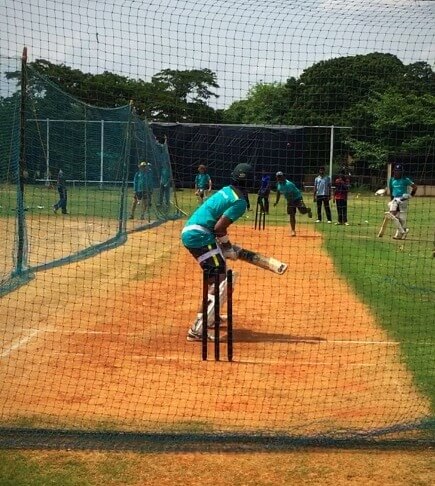
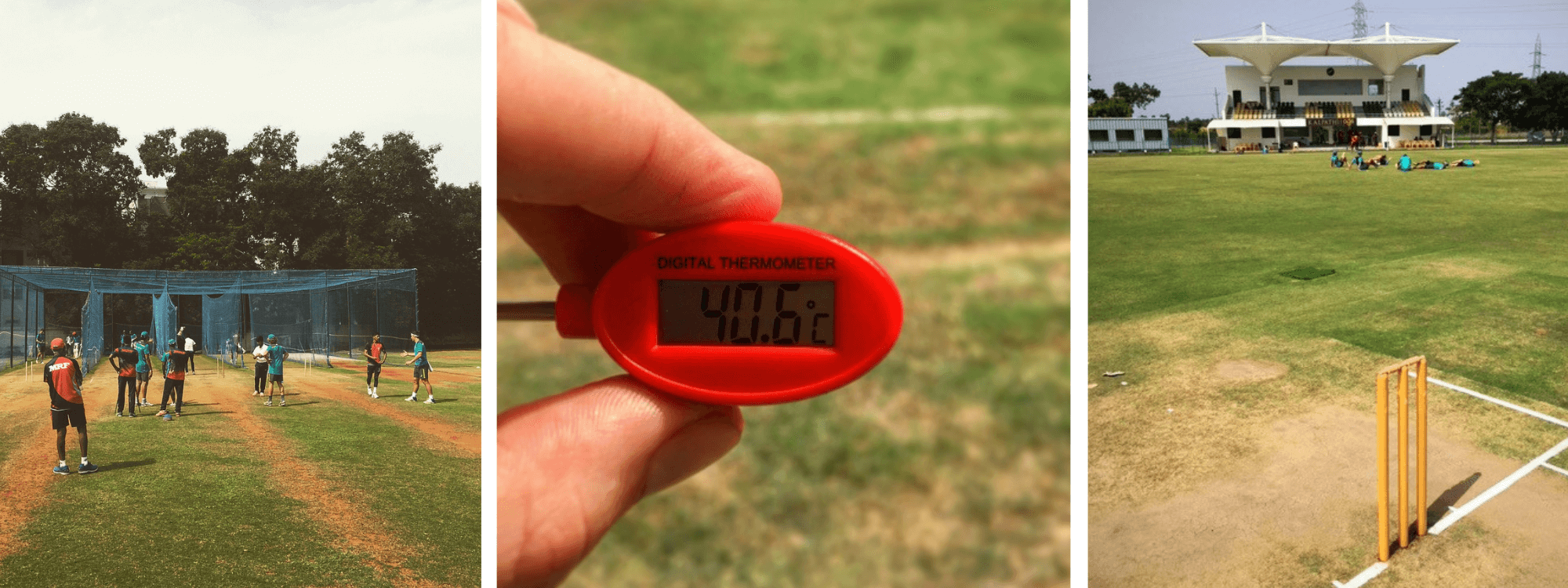
Another month and another Cricket Australia tour it seems for our Praxis Principal, Stephen Timms. Stephen is providing strength, conditioning and physiotherapy support at the training camp to the MRF Academy in Chennai as a part of the National Performance Squad (NPS).

The NPS program was formerly known as the Australian Cricket Academy and the Centre of Excellence. The program is designed to add to the work done within professional state systems, and prepare players capable of competing at international level for Australia within the next five years.

The MRF Academy tour has a strong focus on spin and adapting to subcontinental conditions, which can include oppressive heat and humidity. The NPS will be mentored by former Test players Chris Rogers and Ryan Harris along with NPS head coach Troy Cooley.

The squad typically spends more than three months at the Brisbane based Bupa National Cricket Centre. Here they have access to world class facilities and coaching and utilise the typically dry and sunny Brisbane winters to make the most of the off season program.

Recent graduates of the program who have gone on to play for Australia include Alex Carey, Matthew Renshaw and Hilton Cartwright.

Photo from the Praxis Physiotherapy article: Timms on Tour (again)

Stephen has arrived back in Australia but will continue to service the NPS until the end of a series of interstate games September. He will be back in the clinic around mid September. If you are looking for an appointment before that time, please call our central number (07) 3102 3337 so we can book you in with one of our other skilled therapists.

We are always excited to see Stephen and all our therapists flying the Praxis flag and applying the Prevent Prepare Perform motto in elite sport!

For more details on the program and players selected in the NPS, check out the link to the Cricket Australia website here.

If you are Cricketer and looking to Prevent Perpare Perform, book in online with Stephen or one of our other skilled therapists at Praxis Physiotherapy.

Yours in Health,

The Praxis Team

Prevent. Prepare. Perform.