Why Your Glutes Aren’t Lazy, They’re Underdeveloped

Why Your Glutes Aren’t Lazy, They’re Underdeveloped
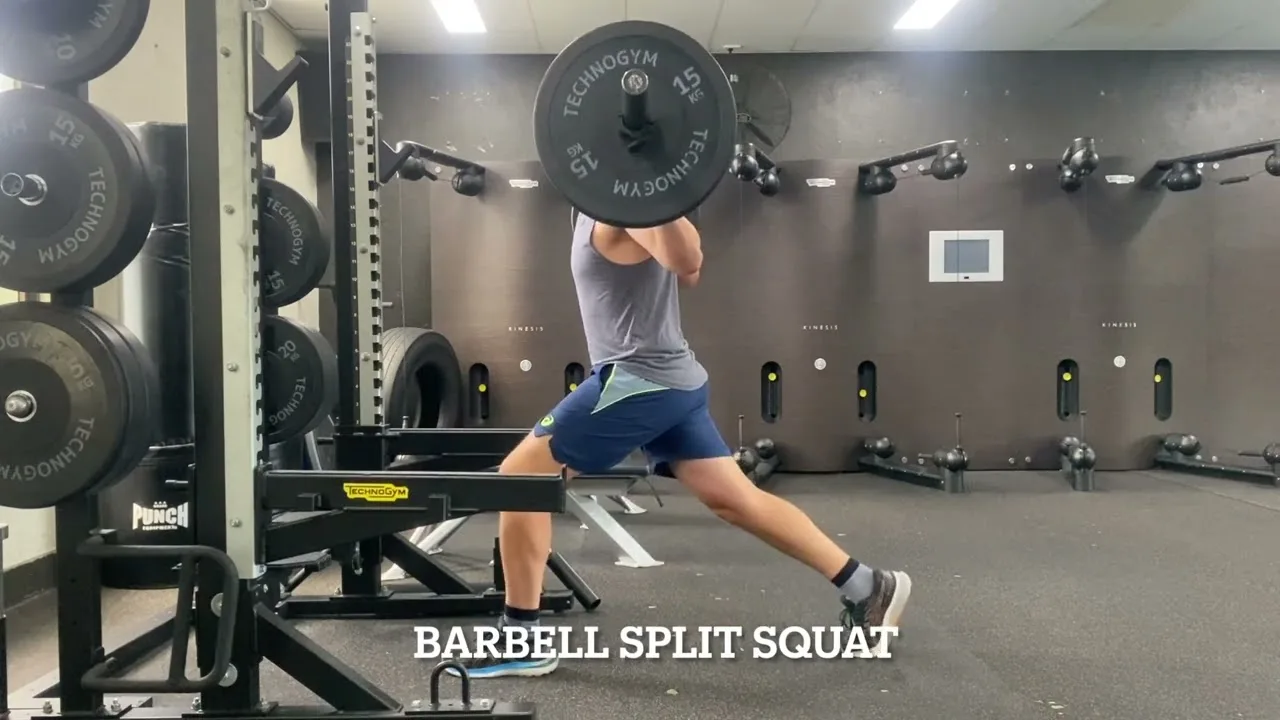
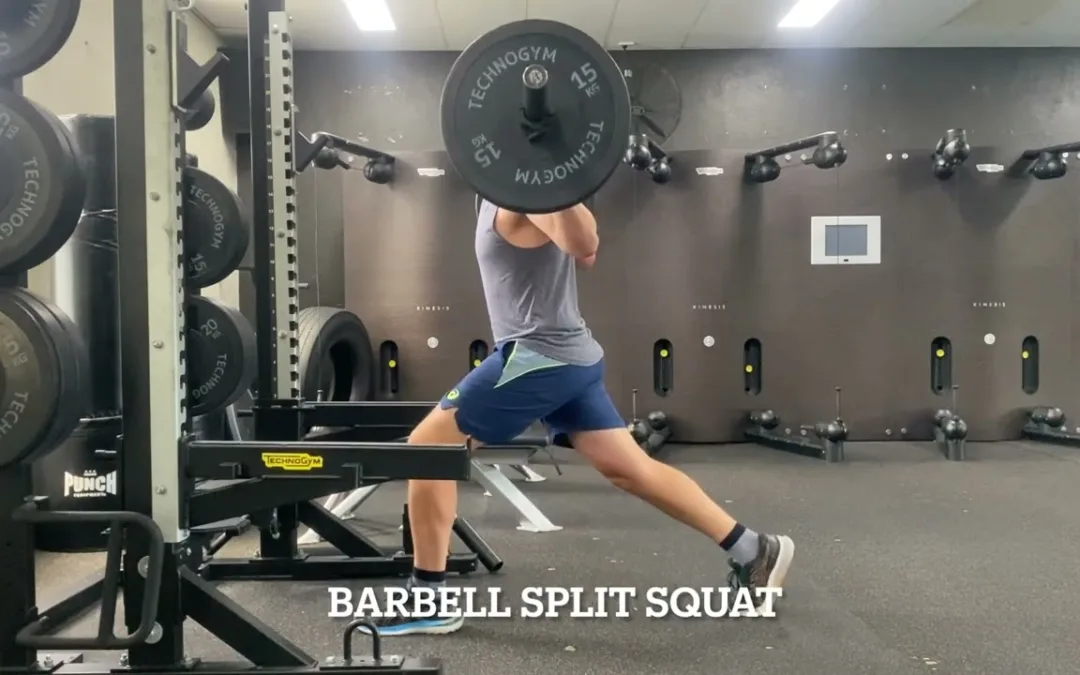
Barbell split squat exercise demonstrating glute strengthening

Walk into almost any gym and you’ll hear it before you see it: “activate your glutes.” Clamshells before squats. Banded lateral walks before a run. A few minutes of glute “wake up” drills before anyone is allowed near a barbell. The idea has become gym gospel: modern life, and especially sitting at a desk all day, switches your glutes off. Unless you flick them back on with an activation ritual, they’ll simply refuse to do their job.

It’s a tidy story. It gives a name to that vague, flat, “my bum isn’t doing anything” feeling a lot of people report. And it comes with an easy fix: a few isolation exercises before you train. The trouble is, the science behind “lazy glutes” and “glute amnesia” doesn’t really hold up the way the fitness industry has run with it.

At Praxis, we see plenty of people with hip, knee, and low back pain who’ve been told their glutes are “switched off.” Almost none of them have a neurological problem. What they usually have is a strength problem, and that distinction changes everything about how you should train.

MYTH vs FACT

MYTH: Your glutes get “switched off” by sitting and need to be reactivated with specific drills before they’ll work properly.

FACT: In the vast majority of people, the glutes are neurologically intact and firing exactly when they should be. What’s usually missing isn’t activation, it’s capacity. The muscle hasn’t forgotten how to work; it simply hasn’t been loaded enough to get strong.

WHERE DID “LAZY GLUTES” COME FROM?

The term “gluteal amnesia” was popularised by spine researcher Stuart McGill. He used it to describe a pattern he observed in some low back pain patients: delayed or reduced gluteal recruitment during hip extension, with the hamstrings and lower back muscles picking up the slack instead. It was a specific observation in a specific clinical context.

Somewhere between the research lab and the gym floor, that nuanced idea got flattened into a blanket diagnosis. Everyone who sits for work supposedly has “lazy glutes,” and everyone needs to “activate” them before lifting anything heavy. It’s a great marketing hook. It’s a much shakier physiological claim. True neurological inhibition, where a muscle genuinely can’t be voluntarily recruited, is well documented after things like ACL injury or joint effusion. But there’s little evidence that healthy adults who sit for a living have gluteal muscles that are switched off in that sense. What research more consistently finds is deconditioning: a muscle that is weaker and less capable of producing force, not one that has forgotten how to contract.

WHAT DOES THE RESEARCH ACTUALLY SHOW?

This matters because the evidence base for glute strength is genuinely strong, it just points to loading, not “activation,” as the fix.

In people with patellofemoral pain (that common ache around or behind the kneecap), a 2023 systematic review and meta-analysis looked at hip abductor and lateral rotator strengthening. It produced significant improvements in pain and function compared with quadriceps-only rehab (Alammari et al., 2023). This is a pattern seen repeatedly in the knee pain literature. People with anterior knee pain tend to have measurably weaker hip abductors, and building strength, not “waking up” the muscle, is what improves their symptoms. We go into this in more depth in our guide to Anterior Knee Pain and Patellofemoral Pain Syndrome.

The same story shows up in low back pain. A 2023 cross-sectional study found that people with chronic non-specific low back pain had measurably weaker hip abductor, adductor, and extensor strength than pain-free controls (Pizol et al., 2023). Again, that’s a strength deficit, not evidence of a muscle that can’t be voluntarily recruited.

For runners, a systematic review and meta-analysis of gluteus medius function found that this muscle behaves differently in injured versus healthy runners, particularly around pelvic control during the stance phase (Semciw et al., 2016). This reinforces that capacity and control under load, developed through training, is what protects the hip and knee during repetitive impact.

Gluteal tendinopathy is a genuinely common cause of lateral hip pain, especially in perimenopausal women (something we cover in our Peri-Menopause and Injury guide). A landmark randomised trial out of Brisbane and Melbourne found that a progressive, graded strengthening program outperformed both corticosteroid injection and a “wait and see” approach for pain and global improvement at eight weeks (Mellor et al., 2018). Tendons in this region need managed load, not activation drills.

STRENGTH, NOT ACTIVATION

So why does a clamshell or a banded walk sometimes make your glutes feel like they’re “waking up”? Because low-load isolation exercises are genuinely good at producing that burning, activation sensation. But sensation isn’t the same as strength. A landmark EMG study measured gluteal muscle activity across a dozen common therapeutic exercises. Exercises like single-leg squats and step-ups produced far higher activation of the glute max and glute med than the low-load “pre-activation” drills people typically use as a warm-up (Distefano et al., 2009). In other words, the exercises people do to “switch on” their glutes are usually the least effective ones for actually building the muscle.

The uncomfortable truth is that a five-minute band circuit isn’t a substitute for progressive resistance training. Your glutes are the largest, most powerful muscle group in your body. Treating them like a fragile switch that needs flicking on, rather than a muscle that adapts to load exactly like any other, sells them short.

WHAT ACTUALLY WORKS

The evidence points consistently towards progressive strength training as the answer: hip thrusts, split squats, step-ups, deadlift variations, and single-leg work. These need to be loaded appropriately and progressed over weeks and months. If you’re not sure which movement pattern suits your goals or current pain, our piece on Split Squat vs Squat vs Deadlift is a good starting point. It’s built for tailoring lower body training to your needs.

On our YouTube channel (@praxisphysiotherapy), our Feet Elevated Hamstring Bridge video is a good example. It’s a hip-extension exercise that genuinely loads the glutes rather than just “switching them on.” We don’t currently have a video specifically dedicated to hip thrust or glute strength progressions. That’s something we’re planning to add, given how central this pattern is to genuine glute strength development.

The Takeaway

Your glutes almost certainly aren’t asleep, forgotten, or switched off. In the overwhelming majority of cases, what feels like “lazy glutes” is simply an undertrained muscle. It hasn’t been progressively loaded enough to build real strength and capacity. The fix isn’t a five-minute activation ritual before your workout. It’s a structured strength program that gets heavier over time. If you’re dealing with knee pain, hip pain, low back pain, or you just suspect your glutes aren’t pulling their weight, book in with the team at Praxis Physiotherapy in Teneriffe, Woolloongabba, or Carseldine. We’ll do a proper strength assessment and build a program around real, progressive loading.

Until next time, Praxis What You Preach…

📍 Clinics in Teneriffe, Woolloongabba, and Carseldine

💪 Trusted by athletes. Backed by evidence. Here for everyone.

Related Articles

Deep Gluteal Syndrome: The Buttock Pain That Mimics Sciatica

That deep, nagging ache in your buttock might not be sciatica at all. Here’s how deep gluteal syndrome differs, and what helps.

Femoroacetabular Impingement (FAI): The Groin Pain Behind Your Squat and Sitting Trouble
If you’re young, active, and you’ve developed a nagging pinch of groin pain, femoroacetabular impingement could be behind it.

Sciatica: Why That Shooting Leg Pain Isn't the Life Sentence It Feels Like

That hot, electric line running from your lower back through your buttock and down your leg has a name, and a way forward.

References

Alammari A, Spence N, Narayan A, Karnad SD, Ottayil ZC. Effect of hip abductors and lateral rotators’ muscle strengthening on pain and functional outcome in adult patients with patellofemoral pain: A systematic review and meta-analysis. Journal of Back and Musculoskeletal Rehabilitation. 2023;36:35-60.

Distefano LJ, Blackburn JT, Marshall SW, Padua DA. Gluteal Muscle Activation during Common Therapeutic Exercises. Journal of Orthopaedic & Sports Physical Therapy. 2009;39(7):532-540.

Mellor R, Bennell K, Grimaldi A, Nicolson P, Kasza J, Hodges P, Wajswelner H, Vicenzino B. Education plus exercise versus corticosteroid injection use versus a wait and see approach on global outcome and pain from gluteal tendinopathy: prospective, single blinded, randomised clinical trial. BMJ. 2018;361:k1662.

Pizol GZ, Franco KFM, Miyamoto GC, Cabral CMN. Is there hip muscle weakness in adults with chronic non-specific low back pain? A cross-sectional study. BMC Musculoskeletal Disorders. 2023;24:790.

Semciw AI, Neate R, Pizzari T. Running related gluteus medius function in health and injury: A systematic review with meta-analysis. Journal of Electromyography and Kinesiology. 2016;30:98-110.
Sciatica: Why That Shooting Leg Pain Isn’t the Life Sentence It Feels Like

Sciatica: Why That Shooting Leg Pain Isn’t the Life Sentence It Feels Like

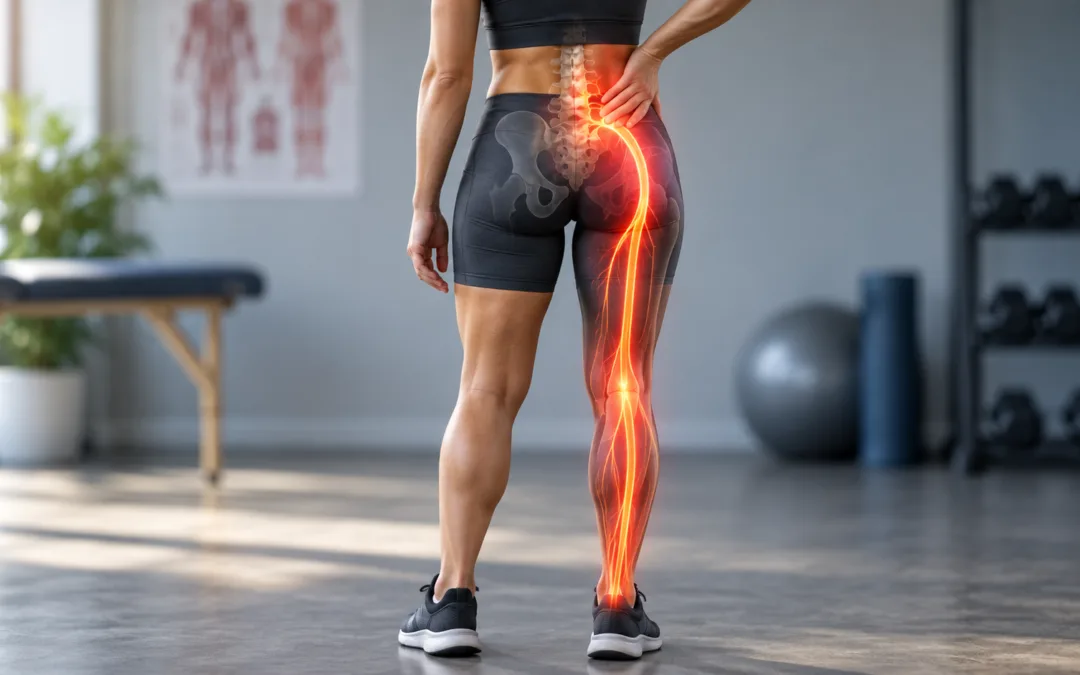
You bend down to pick up a bag of groceries and suddenly there’s a hot, electric line running from your lower back, through your buttock and down the back of your leg. Sometimes it stops at the knee. Sometimes it doesn’t stop until it reaches your foot. Sitting at your desk makes it worse. Getting out of the car has become a slow, careful production. You might have pins and needles down your calf, or a strange numb patch on the sole of your foot that just won’t settle. Sleep is a nightmare!

This is sciatica. If you’re reading this because you’re living through it right now, we want to tell you two things straight away: it is genuinely as unpleasant as it feels, and the overwhelming majority of people recover well without ever needing surgery.

At Praxis, we see sciatica walk through our Teneriffe, Woolloongabba and Carseldine clinics every single week. It rarely looks the same twice. Some people are gritting their teeth through a full workday, others can barely get out of bed, but the questions are almost always identical. What’s actually causing this? Do I need a scan? Am I going to end up on an operating table? Let’s work through it properly.
WHAT’S ACTUALLY GOING ON?

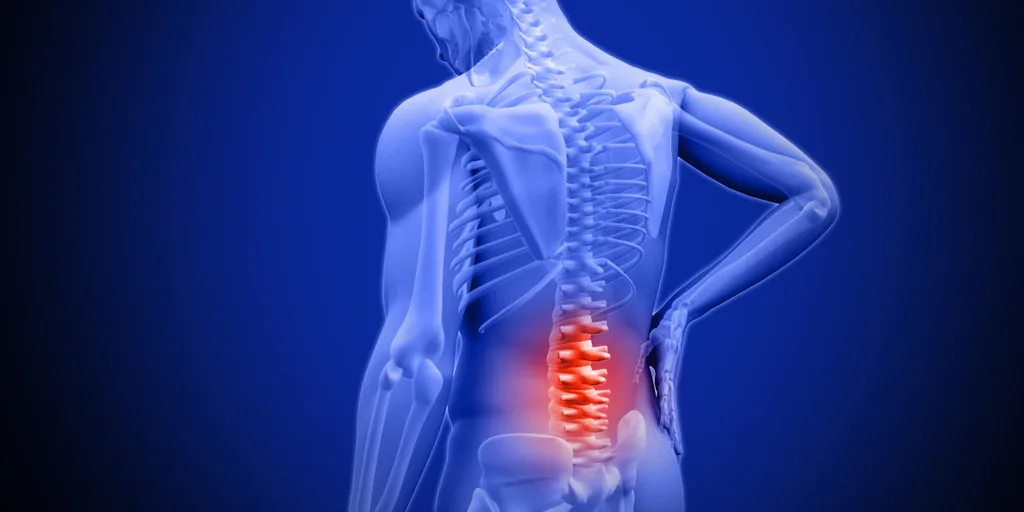
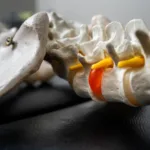
Close-up of a human spine model with red disc“Sciatica” isn’t really a diagnosis. It’s a description of a symptom pattern: pain that travels down the leg, usually below the knee. That pain is caused by irritation or compression of one of the nerve roots that form the sciatic nerve as it exits the spine. The most common culprit is a disc herniation pressing on or chemically irritating a nearby nerve root. Spinal stenosis (narrowing around the nerve) can also produce a similar picture (Peul et al., 2007). The nerve itself doesn’t like being squashed or inflamed, and it lets you know about it. That shows up as the burning, the pins and needles, sometimes the numbness or weakness.
Here’s the genuinely reassuring part: disc herniations are not permanent structural damage that you’re stuck with forever. A 2023 systematic review and meta-analysis found that a large proportion of herniated discs shrink on their own over time, with sequestered and extruded fragments regressing most reliably (Rashed et al., 2023). Your body is, quite literally, built to clean this mess up.

IS BED REST THE ANSWER?

This is probably the single biggest myth we bust in clinic. It feels logical: it hurts, so surely you should stop moving? The evidence says otherwise. A Cochrane systematic review comparing bed rest against staying active for acute low back pain and sciatica found no meaningful difference in pain or function between the two approaches. Prolonged bed rest also carries its own risks, deconditioning, stiffness, low mood, so the sensible advice is to stay as active as your symptoms allow (Dahm et al., 2010). We’ve written more on why waiting it out, or over-resting, can actually leave you worse off in our post on why the wait and see approach may leave you with a poorer outcome.

WHAT ABOUT SCANS AND IMAGING?

“I just need an MRI so we know exactly what’s wrong” is one of the most common requests we hear, and it’s completely understandable. But for most people with sciatica, in the absence of red flags like progressive weakness, loss of bladder or bowel control, or unexplained weight loss, early imaging doesn’t change the treatment plan or improve outcomes. A landmark systematic review and meta-analysis in The Lancet found that routine, immediate lumbar imaging does not improve pain, function, or quality of life compared with usual clinical care guided by a thorough physical assessment (Chou et al., 2009). Scans also frequently pick up disc bulges and degenerative changes in people with zero symptoms, which can create unnecessary alarm rather than clarity. We’ve unpacked this in detail in Fact or Fiction Friday: Lower Back Pain and MRI’s, well worth a read if a scan is on your mind.

WHAT ABOUT MEDICATION?

Physiotherapy addresses the mechanical and neural side of sciatica: movement, strength, and nerve mobility. It doesn’t extend to prescribing. When pain is severe enough to disrupt sleep or stop you engaging with early rehab, a good working relationship with your GP becomes genuinely important, and it’s a part of care that sits outside our scope as physios. According to PubMed, a systematic review of drug trials for sciatica found short courses of corticosteroids produced a modest short-term reduction in leg pain compared with placebo (Pinto et al., 2012). The picture is less encouraging for gabapentin and pregabalin. Despite being commonly prescribed for nerve-related pain, more recent systematic reviews have found little to no meaningful benefit over placebo for pain or disability, alongside a higher rate of side effects (Enke et al., 2018). This is exactly why the GP relationship matters here. Judicious, time-limited medication, guided by someone who’s across the current evidence, can take the edge off pain while your physiotherapy program does the actual rehabilitative work. It isn’t a substitute for that work. We’re always happy to liaise directly with your GP to keep both sides of your care working toward the same plan.

WILL I NEED SURGERY?

Sometimes, but far less often than people assume. A landmark Dutch trial found that early surgery relieved sciatica symptoms roughly twice as fast as prolonged conservative care. Even so, one-year functional outcomes between the two groups ended up much the same (Peul et al., 2007). More recently, a 2020 randomised trial looked at people with sciatica lasting four to twelve months. Surgery did offer faster and somewhat greater pain relief for that specific, more stubborn subgroup, but conservative management still delivered meaningful improvement for many (Bailey et al., 2020). In short: surgery is a legitimate option for a minority of people with severe, persistent, or worsening symptoms. It is not the default pathway for most people with sciatica.

WHAT ACTUALLY WORKS

This is where good physiotherapy earns its keep. A 2023 systematic review and meta-analysis noted the evidence base for specific physiotherapy interventions is still maturing and heterogeneous. Even so, physiotherapy, including graded exercise, education, and a program tailored to your specific presentation, remains recommended as a sensible first-line approach for most people with sciatica (Dove et al., 2023). One technique with growing support is neural mobilisation, sometimes called “nerve gliding” or “nerve flossing”: gentle movements designed to help the irritated nerve move more freely through the surrounding tissue. A 2023 meta-analysis of 20 randomised trials found neural mobilisation meaningfully reduced pain and disability in people with lumbar radiculopathy (Lin et al., 2023). It’s a technique we use regularly in clinic, and it’s about time we filmed a short nerve-glide demonstration video for our YouTube channel so you can see exactly what it looks like.

For a broader look at how we approach the low back more generally, our Lower Back Pain page is a good next stop.

THE TAKEAWAY

Sciatica is miserable to live with, but it is rarely dangerous, rarely permanent, and rarely a surgical emergency. Most people improve with time, staying reasonably active, and a physiotherapy program that addresses your specific movement pattern, strength, and nerve mobility, not with bed rest, and usually not with an early scan either. The goal isn’t just to wait it out and hope; it’s to actively guide your recovery so you get back to your normal life faster and with less risk of it flaring up again. If that shooting leg pain has been part of your daily routine for more than a week or two, come and see us at Praxis in Teneriffe, Woolloongabba, or Carseldine. We’ll assess you properly, rule out anything that needs urgent attention, and build you a plan that gets you moving again.

Until next time, Praxis What You Preach…

📍 Clinics in Teneriffe, Woolloongabba, and Carseldine

💪 Trusted by athletes. Backed by evidence. Here for everyone.

Related Articles

Deep Gluteal Syndrome: The Buttock Pain That Mimics Sciatica

That deep, nagging ache in your buttock might not be sciatica at all. Here’s how deep gluteal syndrome differs, and what helps.

Femoroacetabular Impingement (FAI): The Groin Pain Behind Your Squat and Sitting Trouble

If you’re young, active, and you’ve developed a nagging pinch of groin pain, femoroacetabular impingement could be behind it.

Why Your Glutes Aren't Lazy, They're Underdeveloped

Clamshells before squats, banded lateral walks before a run. Here’s why your glute activation routine might be missing the point.
References

Bailey, C.S., Rasoulinejad, P., Taylor, D., Sequeira, K., Miller, T., Watson, J., Rosedale, R., Bailey, S.I., Gurr, K.R., Siddiqi, F., Glennie, A., & Urquhart, J.C. (2020). Surgery versus conservative care for persistent sciatica lasting 4 to 12 months. New England Journal of Medicine, 382(12), 1093-1102.

Chou, R., Fu, R., Carrino, J.A., & Deyo, R.A. (2009). Imaging strategies for low-back pain: Systematic review and meta-analysis. The Lancet, 373(9662), 463-472.

Dahm, K.T., Brurberg, K.G., Jamtvedt, G., & Hagen, K.B. (2010). Advice to rest in bed versus advice to stay active for acute low-back pain and sciatica. Cochrane Database of Systematic Reviews, Issue 6.

Dove, L., Jordan, J., Chen, Y-F., Foster, N.E., & Konstantinou, K. (2023). How effective are physiotherapy interventions in treating people with sciatica? A systematic review and meta-analysis. European Spine Journal, 32(2), 517-533.

Enke, O., New, H.A., New, C.H., Mathieson, S., McLachlan, A.J., Latimer, J., Maher, C.G., & Lin, C.W. (2018). Anticonvulsants in the treatment of low back pain and lumbar radicular pain: A systematic review and meta-analysis. CMAJ, 190(26), E786-E793.

Lin, L-H., Lin, T-Y., Chang, K-V., Wu, W-T., & Ozcakar, L. (2023). Neural mobilization for reducing pain and disability in patients with lumbar radiculopathy: A systematic review and meta-analysis. Life, 13(12), 2255.

Peul, W.C., van Houwelingen, H.C., van den Hout, W.B., Brand, R., Eekhof, J.A.H., Tans, J.T.J., Thomeer, R.T.W.M., & Koes, B.W. (2007). Surgery versus prolonged conservative treatment for sciatica. New England Journal of Medicine, 356(22), 2245-2256.

Pinto, R.Z., Maher, C.G., Ferreira, M.L., Ferreira, P.H., Hancock, M., Oliveira, V.C., McLachlan, A.J., & Koes, B. (2012). Drugs for relief of pain in patients with sciatica: Systematic review and meta-analysis. BMJ, 344, e497.

Rashed, S.S., Vassiliou, A., Starup-Hansen, J., & Tsang, K. (2023). Systematic review and meta-analysis of predictive factors for spontaneous regression in lumbar disc herniation. Journal of Neurosurgery: Spine, 39(4), 471-483.

Cervicogenic Headache: When Your Neck Is Actually the Problem

Cervicogenic Headache: When Your Neck Is Actually the Problem

You know the one. It usually starts as a dull ache low down at the base of your skull. Sometimes it wraps around one side of your head. Sometimes it settles behind an eye. It comes on after a long day at the desk, or first thing after a bad night’s sleep. By mid-afternoon you’ve taken two paracetamol and you’re rubbing the back of your neck for the third time. Everyone around you says it’s “just stress” or “too much screen time.” So you shrug, push through, and hope tomorrow is better.

For a lot of people, that headache isn’t coming from your brain at all, it’s coming from your neck. It’s called a cervicogenic headache. It behaves differently to a migraine or a classic tension headache, which is exactly why it so often gets missed, mislabelled, or treated with the wrong thing for years.

The good news is that unlike some headache types, cervicogenic headache responds very well to the right kind of physiotherapy. It just needs to be recognised for what it is first.

WHAT MAKES A HEADACHE “CERVICOGENIC”?

Cervicogenic headache is caused by a problem in the neck, not in the head itself. Usually it’s the upper three cervical joints, discs, or the muscles and ligaments around them. The diagnostic criteria were first proposed by the Cervicogenic Headache International Study Group. They describe a headache that’s typically one-sided, starts in the neck or back of the head, and spreads forward. It’s also triggered or aggravated by particular neck movements, sustained postures, or pressure on specific spots in the upper neck (Sjaastad, Fredriksen & Pfaffenrath, 1998). The current international headache classification (ICHD-3) recognises it as a distinct secondary headache disorder for this reason (Headache Classification Committee of the IHS, 2018).

It’s more common than most people realise. Population studies estimate that somewhere between 1 and 4% of adults live with cervicogenic headache at any given time. It disproportionately affects people in their 30s to 50s, often those in desk-based or repetitive-posture jobs (Sjaastad & Bakketeig, 2008).

HOW IS IT DIFFERENT FROM MIGRAINE OR TENSION HEADACHE?

This is where things get tricky, because cervicogenic headache can look a lot like both. A few clues point toward the neck as the source. The pain is consistently on the same side. It’s brought on or reproduced by turning or tilting your head, by pressing into the muscles at the top of your neck, or by holding your neck in one position too long, like scrolling on your phone or driving. Range of movement in the neck is usually reduced (ICHD-3; Sjaastad et al., 1998).

Migraine, by contrast, tends to be more variable in location. It’s often accompanied by more prominent nausea, light and sound sensitivity, and visual disturbance, and isn’t reliably triggered by neck movement. Tension-type headache is usually a more generalised, band-like pressure. It doesn’t have a clear point of origin at the back of the skull. The overlap in symptoms is real. That’s why cervicogenic headache is frequently misdiagnosed as one of the other two. It’s a mistake that can mean months or years of treating the wrong problem.

WHAT’S ACTUALLY GOING WRONG IN THE NECK?

Research led by physiotherapist Gwendolen Jull and colleagues has repeatedly found a consistent pattern in people with cervicogenic headache (Jull, Barrett, Magee & Ho, 1999). The deep neck flexor muscles, the small stabilising muscles at the front of the neck, are weak and slow to activate. The superficial neck and upper trapezius muscles are overactive and tight. Movement in the upper cervical joints is restricted, and the upper neck segments are tender. In plain terms, three things happen. The deep, supportive muscles that are supposed to hold your upper neck steady switch off. The bigger surface muscles take over and get overworked and tight. And the joints at the top of the neck lose their normal movement. That combination of a stiff joint and an under-supported muscle system is what keeps referring pain up into the head.

BUSTING THE MYTH: “IT’S JUST STRESS, THERE’S NOTHING I CAN DO BUT TAKE PAINKILLERS”

This is the line we hear constantly, and it’s simply not supported by the evidence. Stress and screen posture can certainly aggravate cervicogenic headache. But the underlying driver is a measurable, treatable problem in the joints and muscles of the upper neck, not a vague, untreatable “tension” that only pills can dull. Painkillers might take the edge off an individual flare-up. But they do nothing to correct the joint stiffness or muscle imbalance causing the headaches to keep coming back. The research on targeted physiotherapy tells a very different, more hopeful story.

WHAT ACTUALLY WORKS

The strongest evidence for cervicogenic headache is a combination of manual therapy (hands-on mobilisation of the stiff upper cervical joints) and a specific, low-load strengthening program for the deep neck flexors and postural muscles. In a landmark randomised controlled trial, Jull and colleagues found that manipulative therapy and specific low-load exercise each significantly reduced headache frequency and intensity, with benefits still present at 12 months (Jull et al., 2002). The best results came from combining the two. A more recent systematic review and meta-analysis, pooling multiple trials, confirmed moderate-to-large effects of manual and exercise therapy on headache frequency and intensity in the short term. Benefits persisted into the longer term (Bini, Hohenschurz-Schmidt, Masullo, Pitt & Draper-Rodi, 2022).

In the clinic, this typically looks like joint mobilisation of the upper neck and retraining of the deep neck flexors using graded craniocervical flexion exercises. It also includes release work for the overactive superficial and upper trapezius muscles, plus postural and workstation retraining. If you’ve already read our post on neck pain and what to do about it, a lot of the same joint and muscle principles apply here. Cervicogenic headache is really neck pain wearing a different hat. Remedial massage can also play a useful supporting role in easing the overworked superficial muscles alongside your rehab program. See our post on the benefits of remedial massage for more on that. If you want a demonstration of the kind of deep neck strengthening we’re talking about, check out our YouTube video “Deep and Superficial Cervical Loading on Pilates Ball || Supine Neck Strengthening Progressions” on our channel, @praxisphysiotherapy. It walks through exactly the muscle retraining that’s often underactive in people with neck pain or headaches.

THE TAKEAWAY

If your headaches start at the base of your skull, sit on one side, and seem to flare with neck movement or a long day hunched over a screen, there’s a good chance your neck is the actual source. It’s not just stress. And unlike some headache types, this one has strong, specific evidence behind it. Targeted manual therapy plus deep neck muscle retraining can meaningfully reduce how often these headaches show up and how much they hurt, with effects that last.

If that sounds familiar, don’t just keep reaching for the painkillers. Come and see us at Praxis Physiotherapy in Teneriffe, Woolloongabba, or Carseldine. We’ll assess your neck properly, confirm whether it’s driving your headaches, and build you a plan based on the evidence above.

Until next time, Praxis What You Preach…

📍 Clinics in Teneriffe, Woolloongabba, and Carseldine

💪 Trusted by athletes. Backed by evidence. Here for everyone.

Related Articles

Rotator Cuff Repair: A Physiotherapy Guide on Recovery and Rehabilitation

What to expect at every phase of rehab after rotator cuff repair surgery, from protection through to return to sport.

Shoulder Stabilisation and Bankart Repair: Your Path Back to Sport

Recovering from a shoulder stabilisation surgery, particularly a Bankart repair, can feel like a long road back.

Why Tennis Elbow Takes So Long to Get Better (And What Actually Works)

Tennis elbow is notoriously slow to heal. Here’s why, and what the evidence actually says helps it along.

References

Bini P, Hohenschurz-Schmidt D, Masullo V, Pitt D, Draper-Rodi J. The effectiveness of manual and exercise therapy on headache intensity and frequency among patients with cervicogenic headache: a systematic review and meta-analysis. Chiropractic & Manual Therapies. 2022;30:50.

Headache Classification Committee of the International Headache Society (IHS). The International Classification of Headache Disorders, 3rd edition. Cephalalgia. 2018;38(1):1-211.

Jull G, Barrett C, Magee R, Ho P. Further clinical clarification of the muscle dysfunction in cervical headache. Cephalalgia. 1999;19(3):179-185.

Jull G, Trott P, Potter H, et al. A randomized controlled trial of exercise and manipulative therapy for cervicogenic headache. Spine. 2002;27(17):1835-1843.

Sjaastad O, Bakketeig LS. Prevalence of cervicogenic headache: Vågå study of headache epidemiology. Acta Neurologica Scandinavica. 2008;117(3):173-180.

Sjaastad O, Fredriksen TA, Pfaffenrath V. Cervicogenic headache: diagnostic criteria. The Cervicogenic Headache International Study Group. Headache. 1998;38(6):442-445.

Femoroacetabular Impingement (FAI): The Groin Pain Behind Your Squat and Sitting Trouble

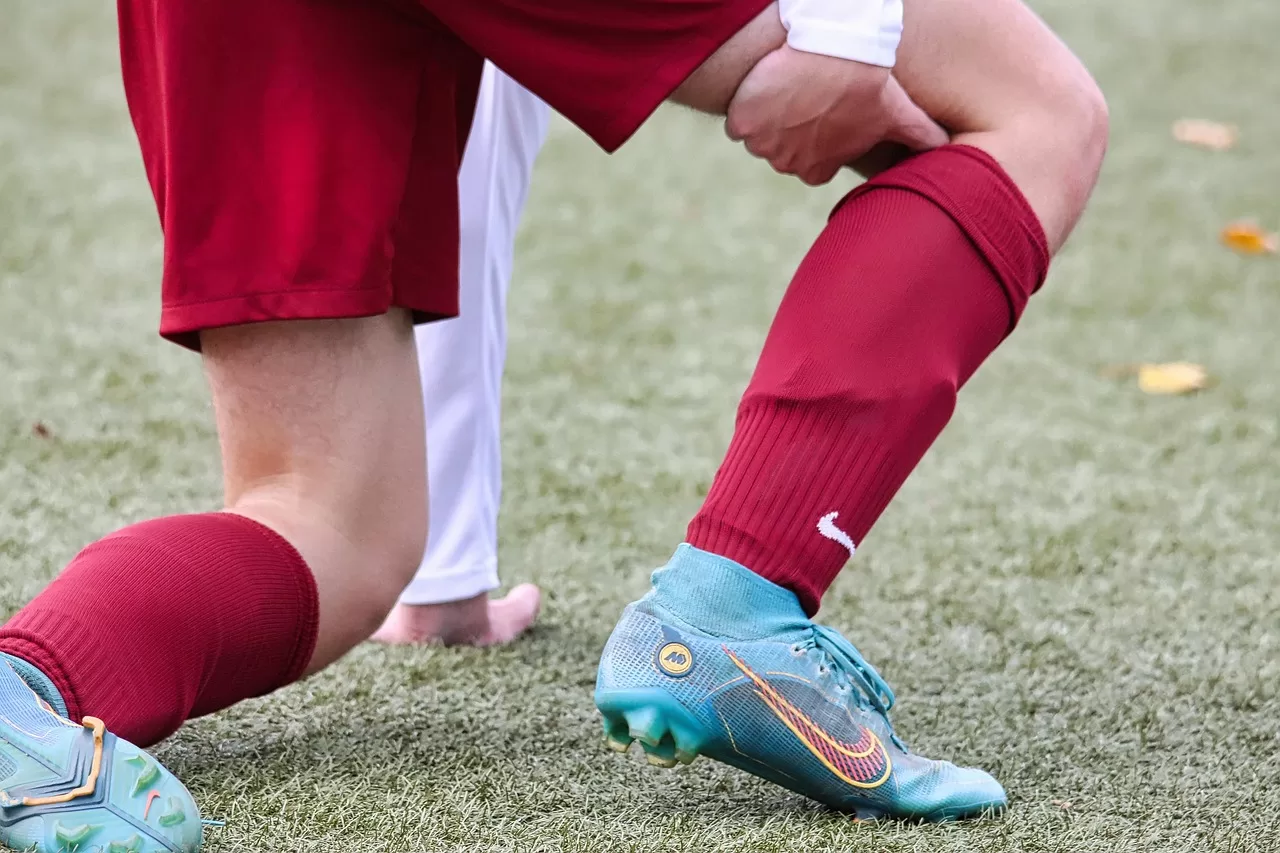
AFL or soccer player changing direction in a low crouch, illustrating the hip movements linked to femoroacetabular impingement

If you’re young, active, and you’ve developed a nagging pinch of groin pain, the kind that flares with deep squats, pivoting, or sitting low in a car seat, take note. Femoroacetabular impingement (FAI) is one of the most common, and most overlooked, culprits. It’s especially common in footballers, hockey players, and dancers. It’s often written off as a “tight hip flexor” for months before anyone joins the dots.

What Is Femoroacetabular Impingement?

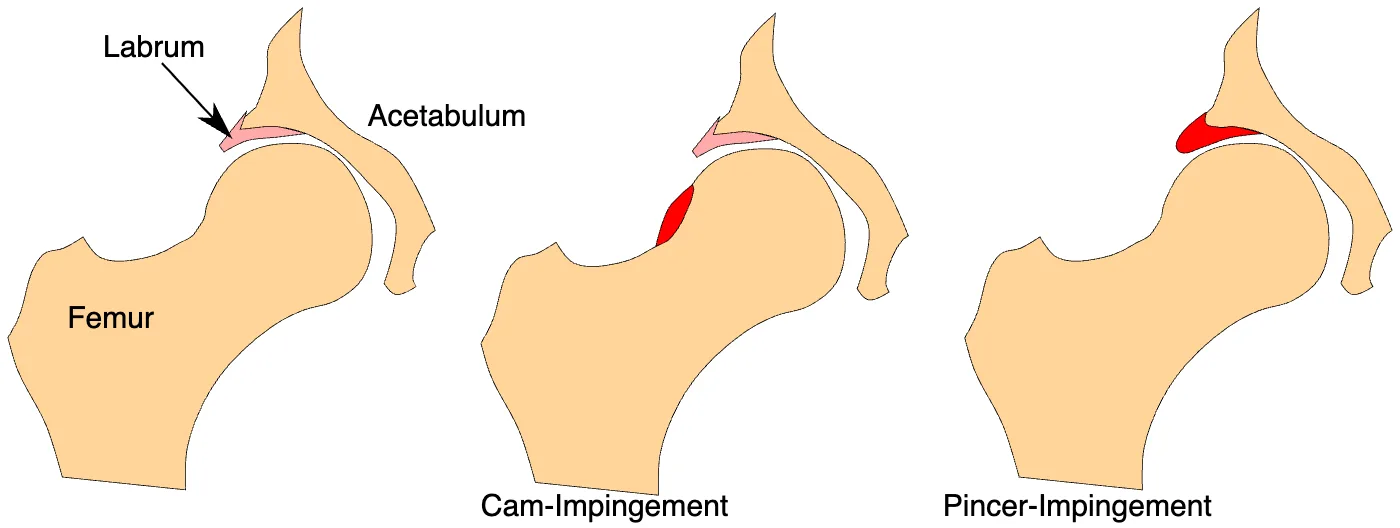
FAI describes a structural mismatch between the ball (femoral head) and socket (acetabulum) of the hip. Extra bone on one or both sides causes them to jam against each other during hip movement, particularly deep flexion. There are two recognised shapes. Cam morphology is where the femoral head isn’t perfectly round, and it’s more common in young, athletic men. Pincer morphology is where the socket has extra coverage over the femoral head, and it’s more common in middle-aged women. Many people have a mix of both. Repeated impingement can gradually damage the labrum, the cartilage rim of the socket, and the surrounding joint cartilage.

The Three Types of FAI

FAI isn’t one single shape problem. It’s classified into three types based on where the extra bone forms and how it creates contact between the femur and the socket.

Diagram comparing normal hip anatomy with cam-type and pincer-type femoroacetabular impingement

Cam-type and pincer-type FAI compared to normal hip anatomy. Diagram by Takuma-sa and Hellerhoff, Wikimedia Commons, licensed under CC BY-SA 4.0.

Cam-type FAI happens when the femoral head isn’t perfectly round. Extra bone forms at the head-neck junction, creating a bump that jams into the socket during hip flexion and internal rotation. That’s the exact position reached at the bottom of a deep squat.

Pincer-type FAI happens when the acetabulum covers the femoral head more than it should, whether from a naturally deep socket or an abnormally angled rim. This extra coverage means the socket edge repeatedly contacts the femoral neck before the hip reaches full range.

Mixed-type FAI combines both cam and pincer features on the same hip. It’s actually the most common presentation seen clinically, not either pure type on its own.

According to PubMed, three distinct types of FAI have been described: cam-type, pincer-type, and mixed. Recognising which morphology is present matters because it shapes both diagnosis and treatment (Peeters et al., 2009). Imaging research also shows the prevalence of each type differs across populations. Mixed-type impingement is significantly more common in athletes than in people without symptoms (Mascarenhas et al., 2015).

Who Gets It, and Why

FAI is strongly linked to sport. There is growing evidence that intense training during adolescence, particularly in football, hockey, and dance, increases the risk of the cam shape developing in the first place. This is likely from repetitive loading on the growing hip joint. That said, plenty of people have cam or pincer morphology on imaging and never develop symptoms. Having the bony shape isn’t the same as having the syndrome. Symptoms tend to emerge when the joint is loaded repeatedly at end-range hip flexion and rotation. Think deep squats, cutting and pivoting sports, or activities with a large range of hip motion like dance and martial arts.

How It Feels

The classic complaint is a slow-building, aching or sharp groin pain. It’s often described with the “C-sign”: cupping the hand over the front and side of the hip. It’s commonly worse with prolonged sitting, getting in and out of a car, deep squatting, or twisting movements. Some people also notice clicking or a sense of catching in the joint. On examination, the classic finding is pain reproduced by the FADIR test. This brings the hip into flexion, adduction, and internal rotation, which pinches the impinged tissue between the femur and the socket.

Getting a Proper Diagnosis

Groin pain has so many possible causes. Adductor-related groin pain, hip flexor strain, and deep gluteal syndrome can all mimic it. That’s why FAI is a clinical diagnosis first and an imaging diagnosis second. Your physio or doctor will typically combine your history and movement tests, like the FADIR test, with plain X-rays to look at the shape of the femoral head and socket. Sometimes an MRI is added to check the labrum and cartilage directly. It’s worth remembering that a cam or pincer shape on a scan doesn’t automatically explain your pain. Plenty of pain-free people have the same bony shape. The diagnosis only really holds when the story, the exam, and the imaging all line up together.

Do You Need Surgery?

This is where the evidence gets genuinely interesting. One systematic review of trials compared hip arthroscopy with structured physiotherapy. Three out of four studies favoured surgery in the short term, suggesting arthroscopy can offer a faster or larger improvement in pain and function for some people. But “favoured” isn’t the same as “essential.” The same body of evidence shows structured physiotherapy still produces real, meaningful improvement on its own. Surgery carries its own costs, risks, and recovery time that physiotherapy doesn’t. A well-designed, physiotherapist-led exercise program remains a reasonable, evidence-supported first step for mild-to-moderate FAI, particularly before committing to surgery. A meaningful proportion of people improve enough that they never need it.

How Physio Can Help

The best-studied non-surgical approach comes from the FASHIoN trial, a large multi-centre randomised controlled trial that developed and tested a structured program called Personalised Hip Therapy. It isn’t a generic exercise handout. It’s built around four components: a detailed individual assessment, education about the condition and what’s safe to load, help managing pain and irritability in the short term, and a progressive, individually tailored, supervised exercise program. This is typically delivered across 12 to 26 weeks, over six to ten sessions with a musculoskeletal physiotherapist.

That exercise component typically targets hip and pelvic control: deep hip and glute strengthening, and movement retraining for how you load the hip during squats, lunges, and sport-specific movements. It also includes a gradual, graded return to the positions that provoke your symptoms as your tolerance improves. Hip flexor and iliopsoas control is often part of the picture too. It directly influences how the femoral head sits in the socket during hip flexion.

When to Book In

If groin pain is holding back your training, your squat depth, or just getting comfortable in a low chair, don’t wait for it to “settle on its own.” Book online with the team at Praxis and we’ll assess whether FAI is driving your symptoms and build an evidence-based plan around it.

Until next time, Praxis What You Preach

📍 Clinics in Teneriffe, Buranda, and Carseldine

💪 Trusted by athletes. Backed by evidence. Here for everyone.

Related Articles

Deep Gluteal Syndrome: The Buttock Pain That Mimics Sciatica

That deep, nagging ache in your buttock might not be sciatica at all. Here’s how deep gluteal syndrome differs, and what helps.

Sciatica: Why That Shooting Leg Pain Isn't the Life Sentence It Feels Like

That hot, electric line running from your lower back through your buttock and down your leg has a name, and a way forward.

Why Your Glutes Aren't Lazy, They're Underdeveloped

Clamshells before squats, banded lateral walks before a run. Here’s why your glute activation routine might be missing the point.

References

  1. Fortier, L. M., Popovsky, D., Durci, M. M., Norwood, H., Sherman, W. F., & Kaye, A. D. (2022). An updated review of femoroacetabular impingement syndrome. Orthopedic Reviews, 14(3), 37513. https://doi.org/10.52965/001c.37513
  2. Anzillotti, G., Iacomella, A., Grancagnolo, M., Bertolino, E. M., Marcacci, M., Sconza, C., Kon, E., & Di Matteo, B. (2022). Conservative vs. surgical management for femoro-acetabular impingement: A systematic review of clinical evidence. Journal of Clinical Medicine, 11(19), 5852. https://doi.org/10.3390/jcm11195852
  3. Zhu, Y., Su, P., Xu, T., Zhang, L., & Fu, W. (2022). Conservative therapy versus arthroscopic surgery of femoroacetabular impingement syndrome (FAI): A systematic review and meta-analysis. Journal of Orthopaedic Surgery and Research, 17(1), 296. https://doi.org/10.1186/s13018-022-03187-1
  4. Wall, P. D. H., Dickenson, E. J., Robinson, D., Hughes, I., Realpe, A., Hobson, R., Griffin, D. R., & Foster, N. E. (2016). Personalised Hip Therapy: Development of a non-operative protocol to treat femoroacetabular impingement syndrome in the FASHIoN randomised controlled trial. British Journal of Sports Medicine, 50(19), 1217-1223. https://doi.org/10.1136/bjsports-2016-096368
  5. Lawrenson, P. R., French, H. P., Olivier, B., Barker, K. L., Kemp, J. L., Whittaker, J. L., & Woodley, S. J. (2025). Diagnosis and management of femoroacetabular impingement syndrome (FAIS): A survey of contemporary physiotherapy practice. BMC Musculoskeletal Disorders, 26, 924. https://doi.org/10.1186/s12891-025-08708-7
  6. Peeters, J., Vanhoenacker, F. M., Marchal, P., Mulkens, T., Ghysen, D., Myncke, J., Van Dyck, P., Gielen, J. L., Termote, J. L., & Parizel, P. M. (2009). Imaging of femoroacetabular impingement: Pictorial review. JBR-BTR, 92(1), 35-42. https://pubmed.ncbi.nlm.nih.gov/19358486/
  7. Mascarenhas, V. V., Rego, P., Dantas, P., Morais, F., McWilliams, J., Collado, D., Marques, H., Gaspar, A., Soldado, F., & Consciencia, J. G. (2015). Imaging prevalence of femoroacetabular impingement in symptomatic patients, athletes, and asymptomatic individuals: A systematic review. European Journal of Radiology, 85(1), 73-95. https://doi.org/10.1016/j.ejrad.2015.10.016

Nordic Curls and the Copenhagen Plank: Two Exercises That Could Save Your Season

Nordic hamstring curl exercise for hamstring injury prevention

There’s a particular kind of dread that sets in when you feel a twinge sprinting for a ball, or a sharp pull deep in your groin cutting back on the footy field. You know instantly it’s not “just a niggle.” A hamstring or adductor strain has a way of sidelining athletes – weekend warriors and semi-professionals alike – for anywhere from two to twelve weeks, and it has an irritating habit of coming back for round two if the rehab isn’t done properly.

The good news is that a huge amount of research has gone into working out how to stop these injuries before they happen. Two unglamorous, slightly uncomfortable exercises keep coming out on top: the Nordic hamstring curl and the Copenhagen plank. Neither requires fancy equipment. Both have solid evidence behind them. And both are exercises we prescribe regularly here at Praxis for footballers, runners, netballers, and anyone whose sport involves sprinting, kicking, or rapid change of direction.

If you’ve read our piece on hamstring strain injuries and the latest research, you’ll know how frustrating and recurrence-prone these injuries can be. This post is about the flip side – prevention.

WHY THESE TWO EXERCISES?

Hamstring strains and groin/adductor strains are consistently among the most common injuries in field and court sports, and they share a common thread: both muscle groups are asked to produce huge eccentric (lengthening) forces at high speed – the hamstrings decelerating the leg at the end of a sprint stride, the adductors controlling hip abduction during cutting, kicking, and change of direction. Ryan, DeBurca, and Mc Creesh (2014) identified reduced hip adduction strength and previous injury as consistent risk factors for groin and hip injuries in field sports, which is exactly why targeted eccentric strengthening – rather than generic core or gym work – has become the focus of prevention research.

The Nordic hamstring curl trains the hamstrings eccentrically in a lengthened position, closely mimicking the demands of late-swing-phase sprinting. The Copenhagen plank does the same job for the adductors, loading them through a long lever in a side-plank position. Both are simple, both are brutal the first few sessions, and both have research behind them that most gym exercises simply don’t.

THE EVIDENCE FOR NORDIC CURLS

This is where the evidence gets genuinely compelling. Petersen et al. (2011) ran a cluster-randomised controlled trial across 50 Danish soccer teams and found that a progressive Nordic curl programme significantly reduced the rate of both new and recurrent acute hamstring injuries compared with teams doing standard training alone.

That finding has since been confirmed at a much larger scale. Al Attar et al. (2017), in a systematic review and meta-analysis, found that injury prevention programmes including the Nordic hamstring exercise reduced hamstring injury rates by around 51% compared with teams using no such programme. Then van Dyk, Behan, and Whiteley (2019) pooled data from over 8,000 athletes across multiple sports and confirmed an injury rate ratio of roughly 0.49 – essentially, teams doing Nordic curls consistently were about half as likely to suffer a hamstring strain.

There’s also a mechanistic explanation for why it works. Cuthbert et al. (2020) showed that Nordic curl training reliably increases fascicle length in the biceps femoris (the hamstring muscle most commonly injured), meaning the muscle can tolerate greater lengthening at speed before it’s strained – exactly the adaptation you’d want for a sprinting athlete.

WHAT ABOUT THE COPENHAGEN PLANK?

The Copenhagen plank is the adductor equivalent, and the research trail here follows a similar pattern. Ishoi et al. (2016), in a randomised controlled trial with football players, found that an eight-week progressive Copenhagen adduction programme produced large increases in eccentric hip adduction strength – in the order of 9-36% – a strength quality that’s directly linked to groin injury risk.

More importantly, Haroy et al. (2019) tested a Copenhagen-plank-based “Adductor Strengthening Programme” in a cluster-randomised controlled trial across men’s football teams and found it reduced the prevalence of groin problems by roughly 41% over a season. That’s a real-world, injury-outcome level of evidence – not just a strength-testing study.

If you’ve dealt with lingering groin pain before, our article on chronic groin pain and athletic pubalgia covers what happens when adductor-related pain becomes a persistent problem rather than a one-off strain – prevention really is the better option. And for our fast-bowling readers, the same principle of building lengthened-position eccentric capacity applies to the trunk, which is exactly what we discuss in understanding the “side strain” in cricket fast bowlers.

BUSTING THE MYTH: “THESE ARE JUST FOR ELITE FOOTBALLERS”

A common reason these exercises don’t make it into club or weekend-sport training is the assumption they’re only relevant at the professional level. Ironically, Bahr, Thorborg, and Ekstrand (2015) found that even among Champions League and Norwegian Premier League clubs – the exact population the Nordic curl research was built on – only around 11% of teams had fully implemented the protocol, largely due to discomfort, muscle soreness in early weeks, and poor buy-in. If elite clubs with full-time medical staff struggle with compliance, it’s not because the exercise is “too advanced” for amateurs – it’s because dosing and coaching matter, and soreness is manageable with a sensible progression. The upside – roughly halving your hamstring injury risk (van Dyk et al., 2019) – applies to any athlete doing repeated sprinting or change of direction, not just professionals.

HOW TO PROGRAM THEM SAFELY

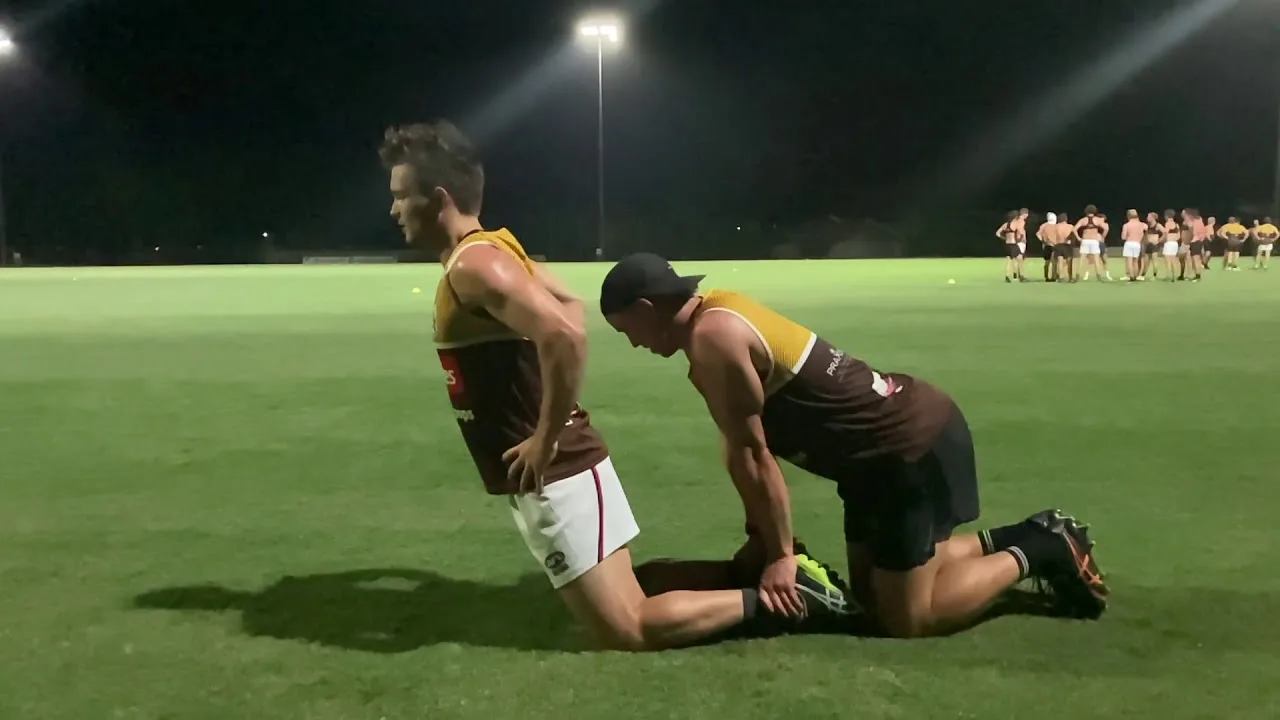
Both exercises reward patience over bravado. Start with partial-range, assisted Nordic curls (2 sets of 3-5 reps) and low-rep Copenhagen planks (holding from the knee rather than full extension) for the first one to two weeks – expect some genuine delayed-onset soreness early on, which settles quickly with consistent, gradual loading (Cuthbert et al., 2020). From there, progress volume and range over 6-10 weeks toward full-range Nordics and full Copenhagen planks, aiming for two to three sessions a week during pre-season and one maintenance session weekly in-season – mirroring the dosing used in the trials above.

For a visual guide, our physiotherapists have demonstrated the Nordic curl (listed as “Nordic / Hamstring Lower”) on our YouTube channel, @praxisphysiotherapy – well worth a watch before you try it for the first time. The Copenhagen plank is also demonstrated on our YouTube channel, @praxisphysiotherapy.

THE TAKEAWAY

The Nordic hamstring curl and the Copenhagen plank aren’t glamorous, and they’re not comfortable – especially in the first fortnight – but they’re two of the best-evidenced injury prevention exercises in sports medicine. Done consistently and progressed sensibly, they can meaningfully cut your risk of the kind of hamstring or groin strain that ends a season, not just a game.

If you want a strength program tailored to your sport, position, and current niggles rather than a generic YouTube routine, book in with one of our physiotherapists at Praxis. We’ll assess your strength and movement, build a progression that suits your training load, and help you stay on the park.

Until next time, Praxis What You Preach…

📍 Clinics in Teneriffe, Woolloongabba, and Carseldine

💪 Trusted by athletes. Backed by evidence. Here for everyone.

Related Articles

Hamstring Strain Injuries: Lessons from Personal Experience and the Latest Research

Hamstring strains are one of sport’s most common, and most frequently recurring, injuries. Here’s what actually reduces your risk.

Old Man Calf: Why Calf Tears Become So Common After 40

Chasing the football and suddenly felt a pop in your calf? Here’s why this becomes so common as you get older.

Why Your Glutes Aren't Lazy, They're Underdeveloped

Clamshells before squats, banded lateral walks before a run. Here’s why your glute activation routine might be missing the point.
References

Al Attar, W.S.A., Soomro, N., Sinclair, P.J., Pappas, E., & Sanders, R.H. (2017). Effect of Injury Prevention Programs that Include the Nordic Hamstring Exercise on Hamstring Injury Rates in Soccer Players: A Systematic Review and Meta-Analysis. Sports Medicine, 47(5), 907-916.

Bahr, R., Thorborg, K., & Ekstrand, J. (2015). Evidence-based hamstring injury prevention is not adopted by the majority of Champions League or Norwegian Premier League football teams: the Nordic Hamstring survey. British Journal of Sports Medicine, 49(22), 1466-1471.

Cuthbert, M., Ripley, N., McMahon, J.J., Evans, M., Haff, G.G., & Comfort, P. (2020). The Effect of Nordic Hamstring Exercise Intervention Volume on Eccentric Strength and Muscle Architecture Adaptations: A Systematic Review and Meta-analyses. Sports Medicine, 50(1), 83-99.

Haroy, J., Clarsen, B., Wiger, E.G., Oyen, M.G., Serner, A., Thorborg, K., Holmich, P., Andersen, T.E., & Bahr, R. (2019). The Adductor Strengthening Programme prevents groin problems among male football players: a cluster-randomised controlled trial. British Journal of Sports Medicine, 53(3), 145-152.

Ishoi, L., Sorensen, C.N., Kaae, N.M., Jorgensen, L.B., Holmich, P., & Serner, A. (2016). Large eccentric strength increase using the Copenhagen Adduction exercise in football: A randomized controlled trial. Scandinavian Journal of Medicine & Science in Sports, 26(11), 1334-1342.

Petersen, J., Thorborg, K., Nielsen, M.B., Budtz-Jorgensen, E., & Holmich, P. (2011). Preventive Effect of Eccentric Training on Acute Hamstring Injuries in Men’s Soccer: A Cluster-Randomized Controlled Trial. American Journal of Sports Medicine, 39(11), 2296-2303.

Ryan, J., DeBurca, N., & Mc Creesh, K. (2014). Risk factors for groin/hip injuries in field-based sports: a systematic review. British Journal of Sports Medicine, 48(14), 1089-1096.

van Dyk, N., Behan, F.P., & Whiteley, R. (2019). Including the Nordic hamstring exercise in injury prevention programmes halves the rate of hamstring injuries: a systematic review and meta-analysis of 8459 athletes. British Journal of Sports Medicine, 53(21), 1362-1370.